by | Apr 6, 2026 | Articles
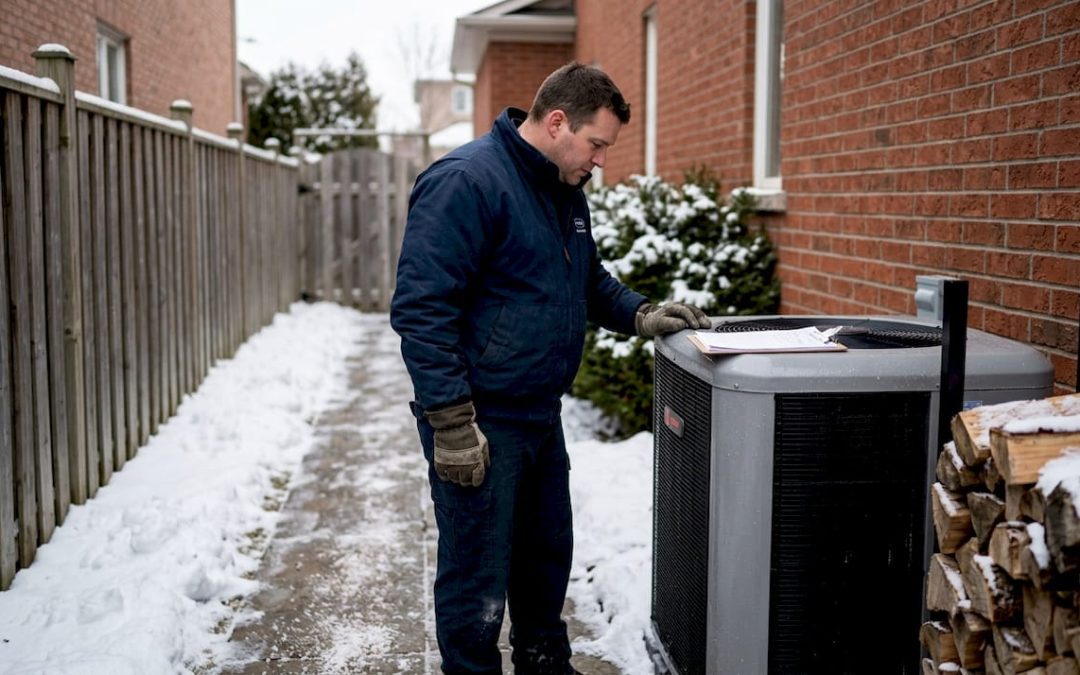
TL;DR: Backup heating is essential in Canadian cold climates due to heat pumps’ efficiency drops in extreme cold. Various backup options include electric strips, gas furnaces, and hydronic systems, with costs, efficiency, and maintenance varying. Proper sizing,...

by | Apr 5, 2026 | Articles
TL;DR: Proper home insulation enhances heat pump efficiency by reducing heat loss and cycle times. Insulating refrigerant pipes prevents energy loss and condensation, saving up to 20% energy. Insulating and sealing the building envelope before installation maximizes...

by | Apr 4, 2026 | Articles
TL;DR: Proper tool selection depends on user role, safety, frequency, and compliance considerations. Technicians require pressure gauges, vacuum pumps, and thermal cameras, while homeowners need basic safety tools. Cold climate conditions in Canada demand specialized...
by | Apr 3, 2026 | Articles
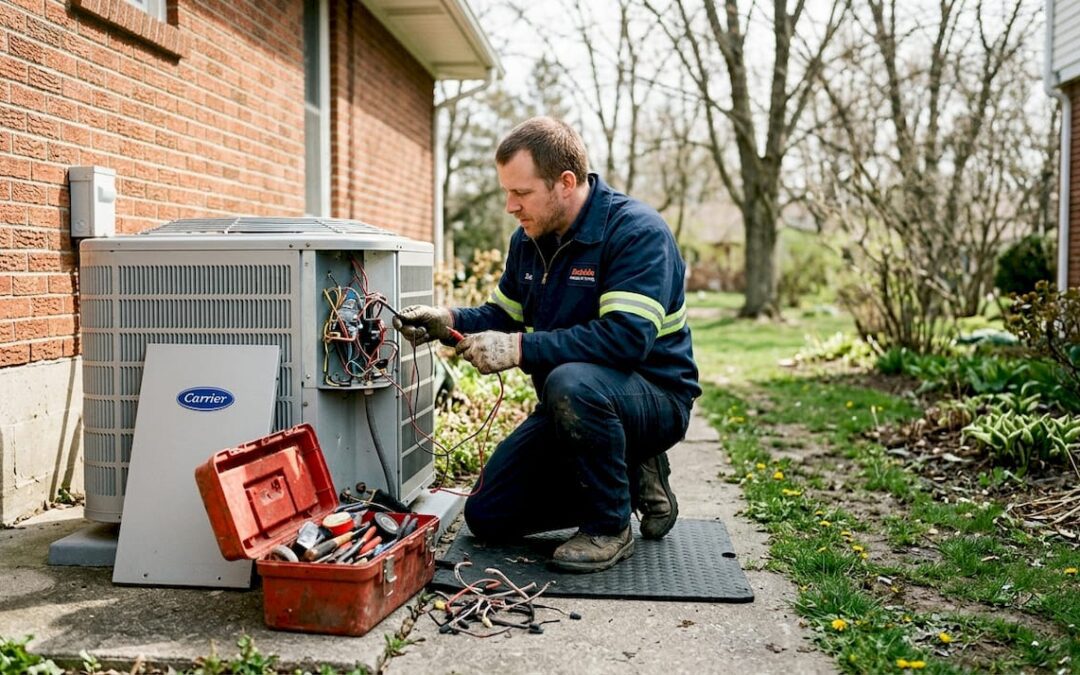
TL;DR: Modern heat pumps in 2026 operate efficiently below -15°C, with cold-climate models rated to -25°C or lower. Key features include variable-speed compressors and low-GWP refrigerants like R290, improving efficiency and environmental impact. Proper sizing,...

by | Apr 3, 2026 | Articles
TL;DR: Detecting refrigerant leaks early prevents system damage and costly repairs. Using a systematic workflow with proper tools ensures accurate leak identification. Professional, certified technicians are essential for safe and compliant leak repairs. A heat pump...
by | Apr 1, 2026 | Articles
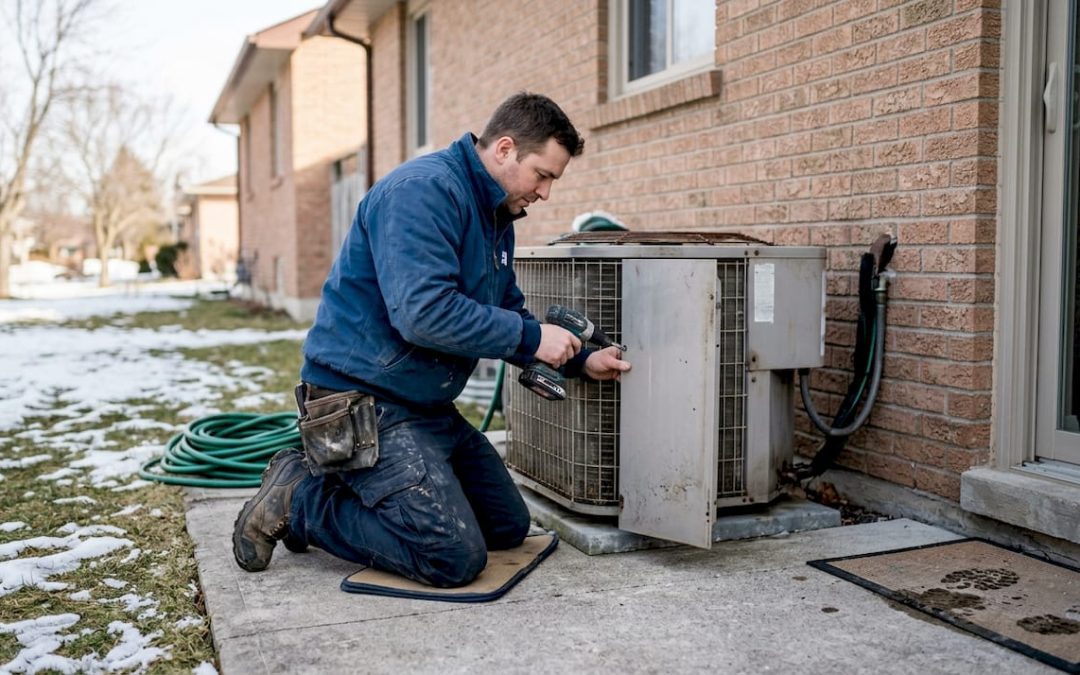
Even the best heat pumps can lose up to half their heating capacity on the coldest Canadian winter days, yet most homeowners assume the equipment is simply failing. The truth is more useful than that. Heat pumps are designed to work harder as temperatures drop, and...