
TL;DR:
- Modern heat pumps in 2026 operate efficiently below -15°C, with cold-climate models rated to -25°C or lower.
- Key features include variable-speed compressors and low-GWP refrigerants like R290, improving efficiency and environmental impact.
- Proper sizing, installation, and maintenance are essential for maximum savings and reliable performance in Canadian winters.
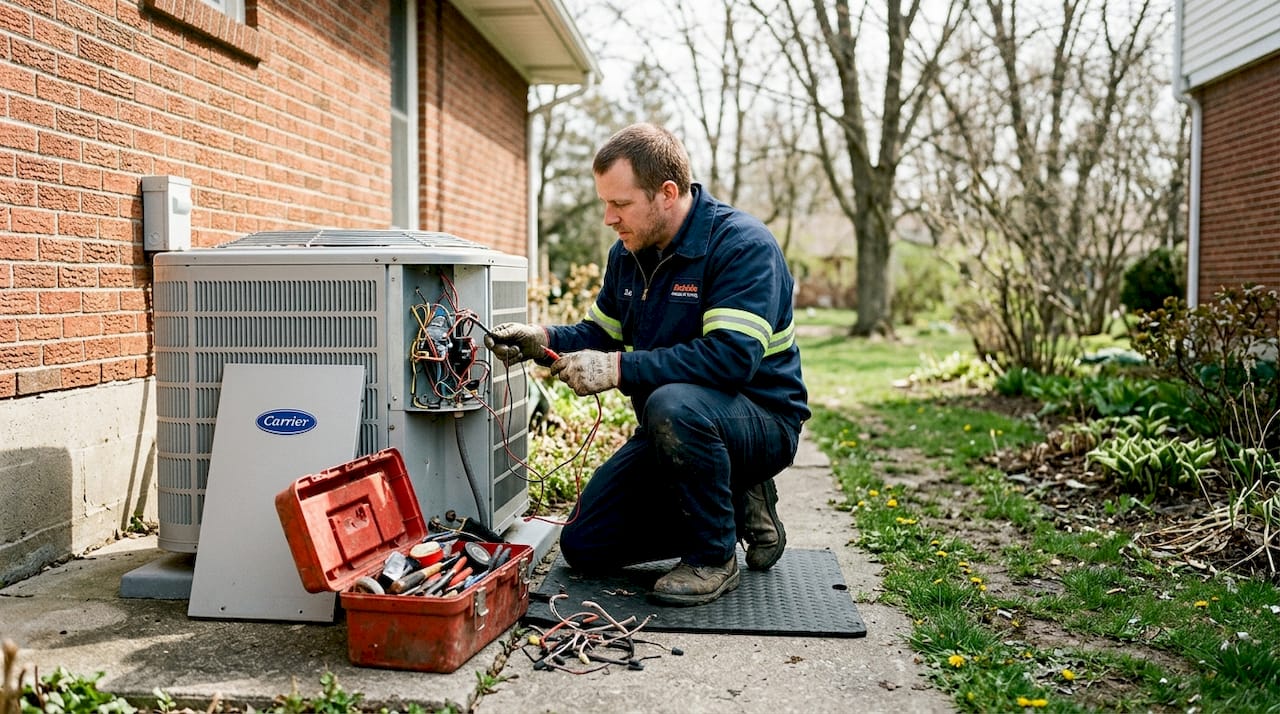
Heat pumps have long carried an unfair reputation in Canada. Many homeowners assume they simply cannot keep up when temperatures plunge below zero. That assumption is now outdated. Cold-climate variable-speed models available in 2026 maintain strong heating output well below -15°C, and the technology behind them has shifted dramatically in just a few years. This guide walks you through how modern heat pumps work, how to read efficiency ratings with confidence, what real Canadian winter performance looks like, and how to choose, install, and maintain a system that genuinely fits your home and budget.
Table of Contents
- How modern heat pump technology works
- Understanding heat pump efficiency ratings for 2026
- Performance in Canadian climates: what to expect
- Choosing, installing, and maintaining heat pumps in 2026
- Why the right heat pump choice in 2026 saves you more than just energy
- Get expert help for your heat pump upgrade
- Frequently asked questions
Key Takeaways
| Point | Details |
|---|---|
| Advanced 2026 tech | Variable-speed inverters and eco-friendly refrigerants make heat pumps a smart, efficient choice for Canadian homes. |
| Efficiency made simple | Check for HSPF2 8.5+ and ENERGY STAR labels to quickly find the most efficient heat pumps. |
| Cold-climate readiness | Modern variable-speed models perform well in most Canadian winters, but dual-fuel systems are best for extreme cold. |
| Rebates and savings | Up-to-date provincial rebates can significantly lower your heat pump upgrade costs in 2026. |
How modern heat pump technology works
Understanding what a heat pump actually does makes every other decision easier. Unlike a furnace that burns fuel to create heat, a heat pump moves heat from one place to another. In winter, it pulls heat from the outdoor air and transfers it inside. In summer, it reverses the process and acts as an air conditioner. This movement of heat rather than generation of heat is what makes the technology so efficient.
The engine behind this process is the heat pump refrigeration cycle. Refrigerant absorbs heat as it evaporates in the outdoor unit, then releases that heat as it condenses in the indoor unit. The refrigerant cycles continuously, driven by a compressor. According to IEA 2026 heat pump analysis, heat pumps operate on the vapor-compression cycle, transferring heat via refrigerant between evaporator and condenser, with variable-speed inverters and natural refrigerants like R290 enhancing 2026 residential efficiency significantly.
The two biggest advances for 2026 are variable-speed inverter compressors and the shift to R290 refrigerant. A variable-speed inverter allows the compressor to ramp up or down based on demand rather than simply switching on and off. This means the system runs more quietly, maintains more consistent indoor temperatures, and uses far less electricity. R290 is a natural refrigerant with a global warming potential near zero, making it a much cleaner option than older synthetic refrigerants. These two changes together explain why upgrade heating systems is such a common question homeowners are asking right now.
Here is a quick comparison of common residential heat pump types:
| Type | Best for | Key advantage |
|---|---|---|
| Air-source split system | Most Canadian homes | Easiest to install, widely available |
| Mini-split (ductless) | Additions, older homes | No ductwork needed |
| Ground-source (geothermal) | Rural properties with land | Highest efficiency, stable ground temps |
| Dual-fuel hybrid | Extreme cold climates | Pairs heat pump with gas furnace backup |
Key features to look for in a 2026 model:
- Variable-speed inverter compressor
- R290 or R32 low-GWP refrigerant
- Cold-climate rating (operation below -25°C)
- ENERGY STAR certification
- Smart thermostat compatibility
Pro Tip: Always choose a variable-speed model over a single-stage unit. Single-stage compressors blast heat at full power then shut off, which wastes energy and creates uncomfortable temperature swings. Variable-speed models cost more upfront but pay back the difference quickly through lower monthly bills.
Understanding heat pump efficiency ratings for 2026
Once you grasp how heat pumps work, the next step is decoding the numbers on those spec sheets. Efficiency ratings can look intimidating, but once you know what each one measures, comparing models becomes straightforward.
HSPF2 stands for Heating Seasonal Performance Factor 2. It measures how efficiently a heat pump heats your home over an entire season. A higher number means more heat delivered per unit of electricity consumed. The federal minimum for split systems is HSPF2 7.5, which equals roughly a COP (Coefficient of Performance) of 2.2. According to the HSPF2 efficiency guide, good residential ratings fall between 8.5 and 9.5 HSPF2, while ENERGY STAR certification requires 8.0 or higher.
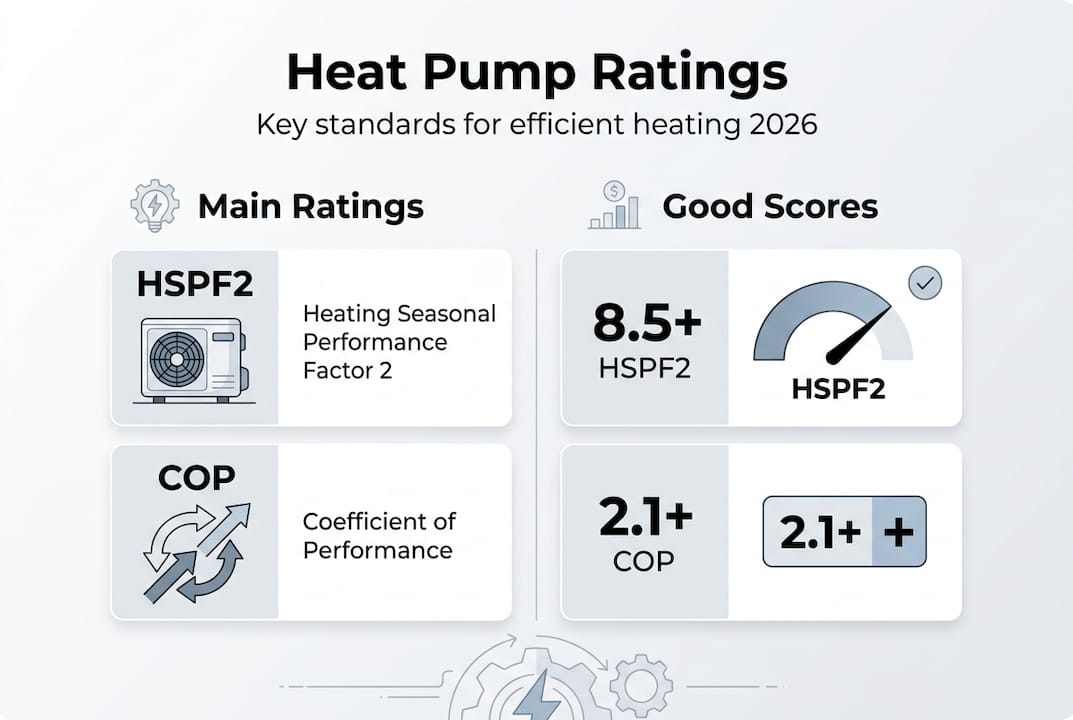
COP is the simpler real-time measure. A COP of 3.0 means the system delivers three units of heat for every one unit of electricity it uses. Cold-climate models in 2026 achieve a COP of 2.1 to 2.4 even at temperatures as low as -8°C (17°F), which is a meaningful improvement over models from just five years ago.
Here is a comparison table to help you evaluate what you are seeing on spec sheets:
| Rating tier | HSPF2 range | COP at 5°F | Best suited for |
|---|---|---|---|
| Federal minimum | 7.5 | ~1.8 | Mild climates only |
| ENERGY STAR standard | 8.0 to 8.4 | 1.75+ | Southern Canada |
| High-efficiency | 8.5 to 9.5 | 2.1 to 2.4 | Most Canadian regions |
| Cold-climate premium | 9.5+ | 2.4+ | Northern and Prairie climates |
To compare models effectively, follow these steps:
- Confirm the unit carries ENERGY STAR certification for your climate zone.
- Check the HSPF2 rating and target 8.5 or higher for Canadian winters.
- Look up the COP at -8°C or 5°F specifically, not just the rated COP at milder temperatures.
- Review the minimum operating temperature listed by the manufacturer.
- Cross-reference with heat pump energy ratings to compare models side by side.
The stat worth remembering: advanced cold-climate models in 2026 maintain a COP between 2.1 and 2.4 at temperatures where older units would struggle to function at all. That gap translates directly into lower heating bills every single month.
Performance in Canadian climates: what to expect
Now that efficiency ratings make sense, let us see how those numbers play out in Canada’s real winter conditions. The honest answer is that performance varies by region, and understanding the nuances helps you set realistic expectations and plan accordingly.
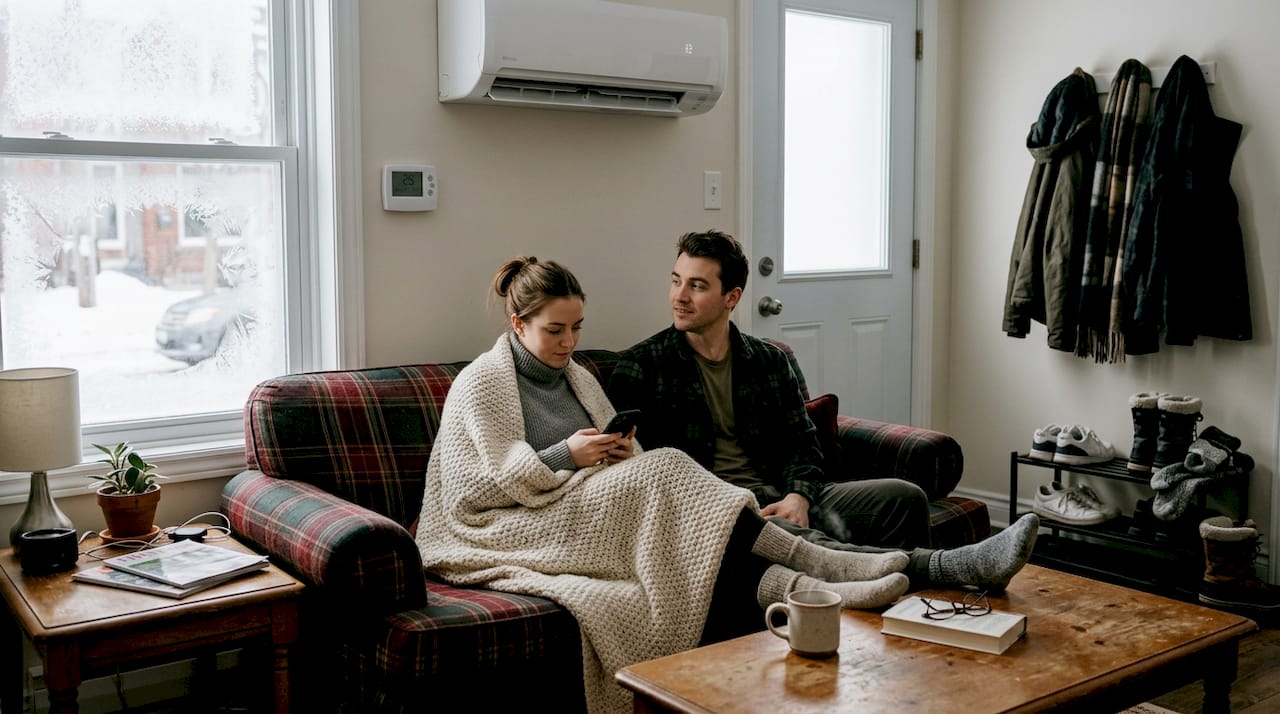
Cold-climate variable-speed models are specifically engineered for low-temperature operation. Research from PNNL heat pump performance shows that these units maintain a median COP of 1.9 at temperatures between -15°C and -20°C, while retaining over 70% of their rated heating capacity. For most of southern and central Canada, that is more than adequate as a primary heating source.
Defrost cycles are one aspect that surprises many new heat pump owners. When outdoor temperatures drop and humidity is present, frost builds up on the outdoor coil. The system periodically reverses to melt that frost, which causes a brief dip in indoor air temperature. This is completely normal. The cycle typically lasts two to ten minutes and occurs less frequently in very dry cold. Modern systems manage defrost intelligently, minimising disruption.
“For homes in climate zones 5 through 7, dual-fuel hybrid systems are the most practical solution. The heat pump handles the majority of the heating load efficiently, while the gas or propane furnace takes over only during the coldest hours of the year. This combination delivers both comfort and cost savings without compromise.”
Practical solutions for Canadian homeowners dealing with extreme cold:
- Install a cold-climate model rated to at least -25°C minimum operating temperature
- Consider a dual-fuel hybrid setup if your region regularly sees temperatures below -25°C
- Ensure your home is well insulated before installation to reduce peak load demands
- Use a heat pump winter performance checklist before your first cold season
- Compare your options carefully with heat pumps vs traditional HVAC to understand the full picture
For homeowners in Nunavut, northern Manitoba, or the Yukon, a standalone heat pump is unlikely to meet 100% of your heating needs in the deepest winter. A hybrid system with a backup furnace is the practical and cost-effective choice. For the vast majority of Canadians in British Columbia, Ontario, Québec, and the Maritimes, a properly sized cold-climate heat pump can serve as the sole heating and cooling system year-round.
Choosing, installing, and maintaining heat pumps in 2026
Armed with performance expectations, let us move to the actions that truly matter: choosing and maintaining your system. The right decisions here determine whether your heat pump delivers on its promise for the next fifteen to twenty years.
When selecting a unit, prioritise ENERGY STAR cold-climate variable-speed models with an HSPF2 of 8.5 or higher. For homes in climate zones 5 through 7, a dual-fuel hybrid configuration is worth the additional upfront cost. Always verify your provincial rebate eligibility before purchasing, as requirements shifted significantly after 2025 federal programme changes.
Follow this checklist when choosing your system:
- Get a Manual J load calculation done by a certified installer to determine the correct system size for your home.
- Confirm the model’s minimum operating temperature matches your local climate.
- Verify ENERGY STAR certification and check current provincial rebate eligibility.
- Review the heat pump installation guide for a full breakdown of what the installation process involves.
- Ask your installer about warranty terms and what maintenance is required to keep the warranty valid.
Top mistakes homeowners make that you should avoid:
- Choosing a unit based on price alone without checking efficiency ratings
- Skipping the load calculation and guessing at system size
- Overlooking available rebates and leaving thousands of dollars on the table
- Failing to clear space around the outdoor unit for proper airflow
- Neglecting annual maintenance and voiding the manufacturer warranty
Familiarise yourself with heat pump terminology explained so you can have informed conversations with your installer and avoid being oversold on features you do not need.
Maintenance is straightforward but consistent attention matters. Clean or replace air filters every one to three months depending on use. Keep the outdoor unit clear of snow, ice, and debris. Check refrigerant levels and electrical connections annually.
Pro Tip: Schedule a professional inspection every year before the heating season begins. This keeps your warranty intact, catches small issues before they become expensive repairs, and ensures the system is running at peak efficiency heading into winter.
Why the right heat pump choice in 2026 saves you more than just energy
Most buyers focus almost entirely on the published efficiency rating when comparing heat pumps. That number matters, but it tells only part of the story. The homeowners who get the most value from their investment are the ones who pay equal attention to system design, correct sizing, and local incentives.
A poorly sized system, even one with an impressive HSPF2 rating, will short-cycle, wear out faster, and leave you uncomfortable. An oversized unit heats the home too quickly without properly removing humidity. An undersized one runs constantly and still cannot keep up on the coldest nights. Getting the sizing right through a proper load calculation is the single most impactful decision you can make.
Rebates and incentives are the other overlooked piece. Many homeowners skip the paperwork and leave substantial savings behind. In 2026, provincial programmes in British Columbia, Ontario, and Québec still offer meaningful rebates for qualifying cold-climate models. Using the heat pump startup checklist before your installation ensures you capture every available incentive.
The real long-term value of a heat pump is not just the energy savings. It is the lower repair costs, the consistent comfort, and the increased home value. Energy is just one part of your home’s cost equation.
Get expert help for your heat pump upgrade
You have done the research. Now it is time to act with confidence. CoolFix provides homeowners with step-by-step guidance through the entire process, from selecting the right model to completing a successful installation.

Start with the heat pump replacement tutorial to walk through the full process at your own pace. For a deeper look at what professionals recommend on the job, the best installation practices guide covers common pitfalls and proven techniques. If you want to understand timelines before booking a contractor, the installation timeline in Canada resource gives you a realistic picture of what to expect from start to finish. Expert help is available when you need it.
Frequently asked questions
Are heat pumps efficient in Canadian winters?
Yes, modern cold-climate variable-speed heat pumps provide reliable heating in most Canadian regions and maintain over 70% capacity even below -15°C, making them a practical primary heating source for the majority of Canadian homes.
What is the best efficiency rating to look for when buying a heat pump in 2026?
Choose a unit with an HSPF2 of 8.5 or higher and ENERGY STAR certification. Good residential ratings fall between 8.5 and 9.5 HSPF2, which delivers meaningful energy savings over the federal minimum.
Do heat pumps work during extreme cold, like in Nunavut or northern Québec?
In extreme cold regions, dual-fuel hybrids are recommended to supplement heat pumps for temperatures below -30°C, where a standalone heat pump cannot reliably meet the full heating load.
How often do heat pumps need maintenance?
Homeowners should clean or replace filters every one to three months and schedule an annual professional inspection before the heating season to maintain peak efficiency and keep the manufacturer warranty valid.
Are there rebates for heat pump upgrades in 2026?
Rebates remain available in many provinces, but requirements changed post-2025 with federal programme adjustments, so always verify current eligibility with your provincial programme before purchasing a unit.
Recommended
- Why upgrade heating systems with heat pumps in 2026 – CoolFix Appliance & HVAC Service
- Heat pumps vs traditional HVAC: what Canadian homeowners need to know | CoolFix Appliance & HVAC Service
- Heat pump refrigeration cycle: efficient home comfort | CoolFix Appliance & HVAC Service
- Heat pump vs furnace: efficient home heating guide | CoolFix Appliance & HVAC Service
- Asset Management Trends 2026: Transforming HVAC Operations
0 Comments