Understanding your heat pump shouldn’t feel like decoding a foreign language. Many Canadian homeowners struggle with technical terms when discussing repairs or maintenance with technicians, leading to confusion and potentially costly mistakes. This guide breaks down essential heat pump terminology in plain language, helping you communicate confidently with service professionals and make informed decisions about your home’s heating and cooling system. By mastering these terms, you’ll save money, extend your equipment’s lifespan, and ensure your home stays comfortable year-round.
Table of Contents
- Basic Heat Pump Terminology Every Homeowner Should Know
- Common Heat Pump Components And Their Roles In System Function
- Installation And Service Terminology: What You Need To Know For Repairs And Maintenance
- How Understanding Heat Pump Terminology Saves Money And Improves Appliance Care
- Discover Professional Heat Pump Services Tailored For Canadian Homeowners
Key takeaways
| Point | Details |
|---|---|
| Master essential terminology | Understanding basic heat pump terms like refrigerant and compressor helps you identify issues early and communicate effectively with technicians. |
| Recognise component functions | Knowing what each part does enables you to spot problems before they become expensive repairs. |
| Navigate service agreements | Familiarity with installation and warranty terms protects your investment and prevents misunderstandings during service calls. |
| Apply knowledge for savings | Informed homeowners reduce repair costs by 30% through better maintenance decisions and clearer technician communication. |
Basic heat pump terminology every homeowner should know
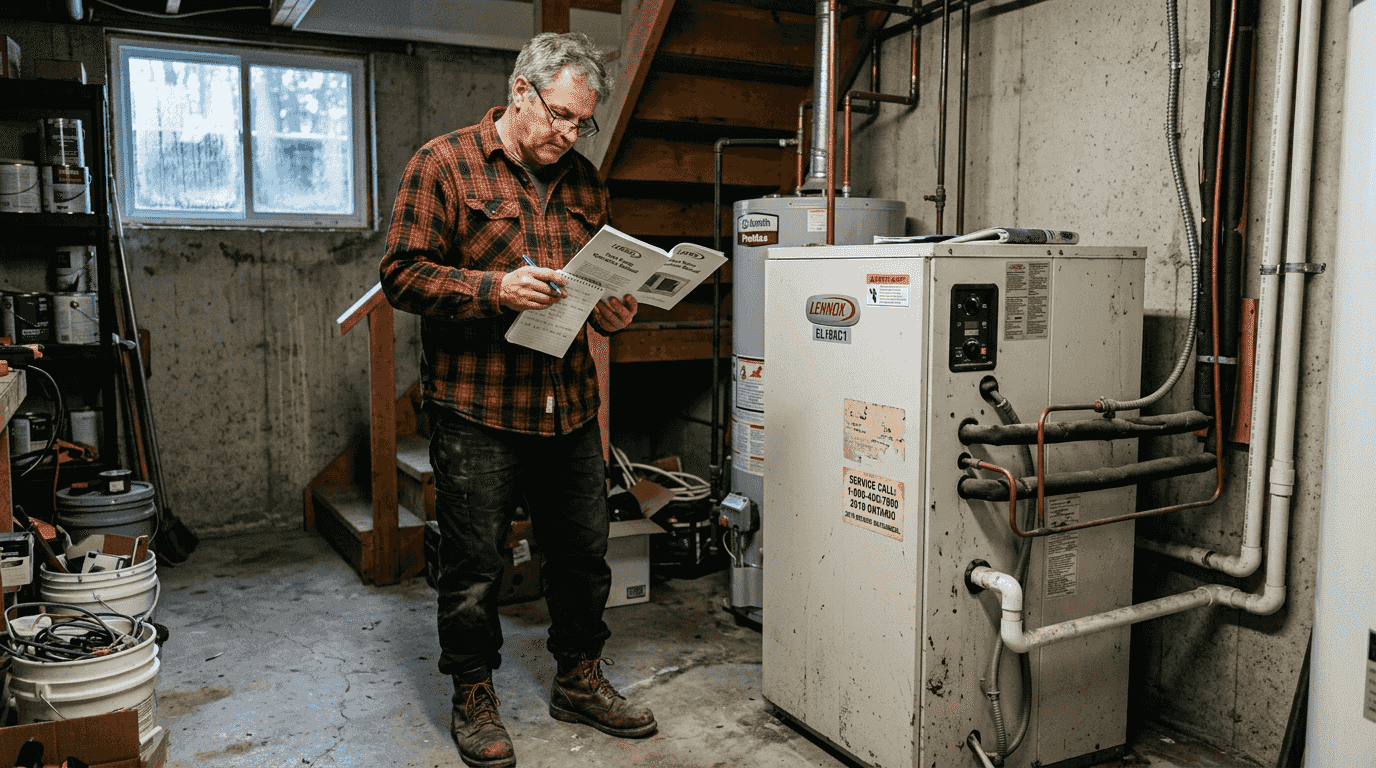
Every conversation with an HVAC technician becomes easier when you understand fundamental heat pump language. These core terms form the foundation of how your system operates and what can go wrong during daily use.
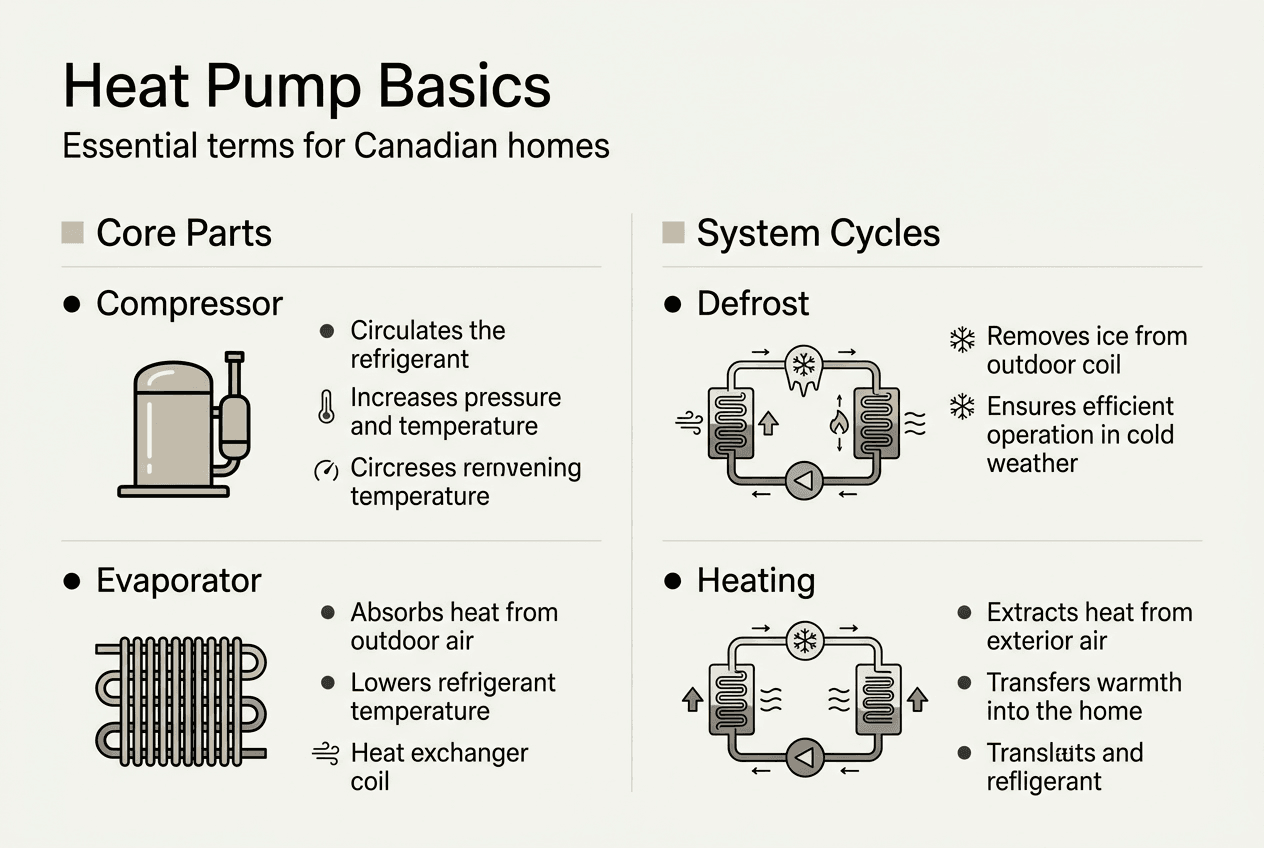
Refrigerant is the lifeblood of your heat pump, circulating through the system to absorb and release heat. Without proper refrigerant levels, your unit cannot heat or cool effectively. The compressor acts as the heart, pumping refrigerant through the system and creating the pressure changes necessary for heat transfer. When technicians mention compressor issues, they’re talking about potentially the most expensive component to replace.
The evaporator coil absorbs heat from indoor air during cooling mode and releases it during heating mode. You’ll find this component inside your home, usually in the air handler or furnace. The condenser coil does the opposite work, located in the outdoor unit where it releases or absorbs heat depending on the season.
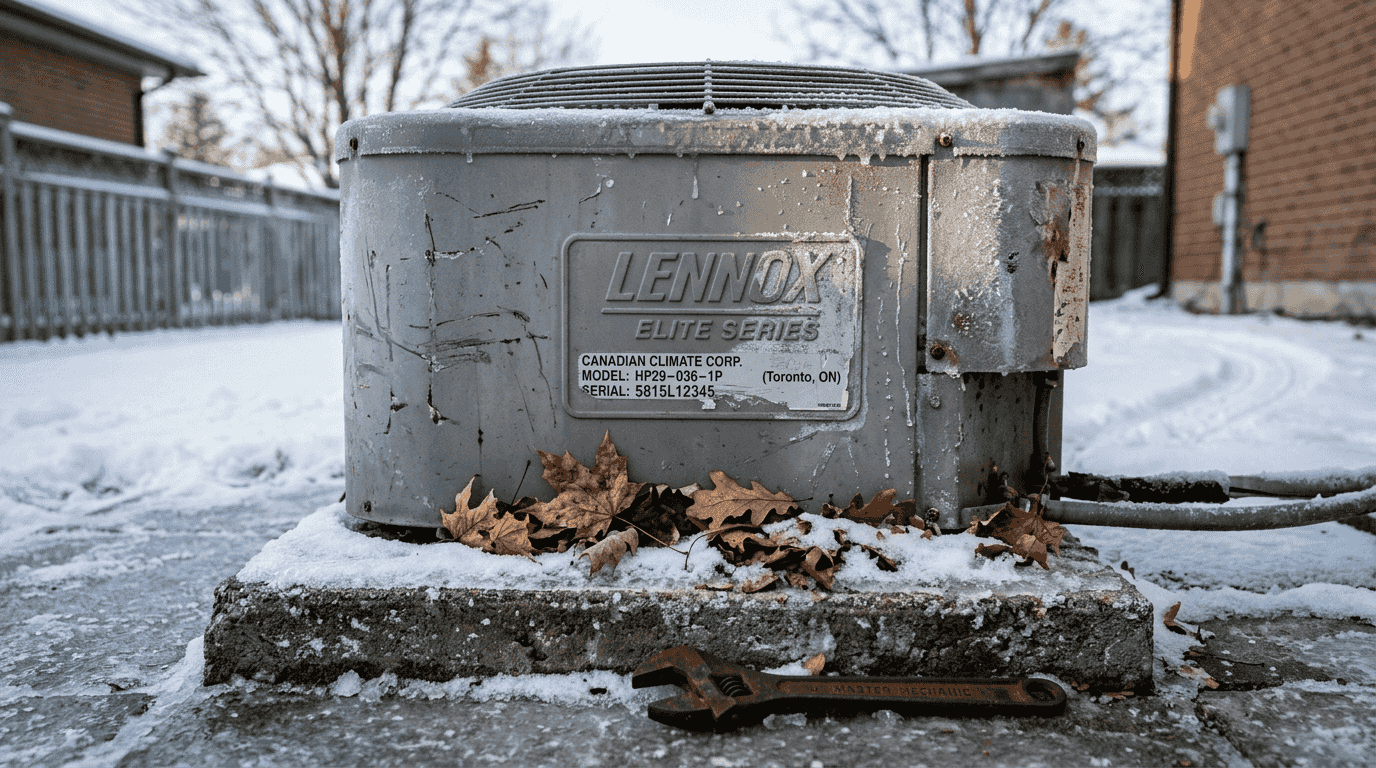
Understanding the defrost cycle prevents unnecessary service calls during winter. Your heat pump periodically reverses operation to melt frost buildup on outdoor coils, temporarily blowing cool air inside. This normal process keeps your system running efficiently in cold weather.
Pro Tip: Keep a small notebook with these terms and their definitions near your thermostat. When issues arise, you can quickly reference terminology before calling a technician, leading to more productive conversations.
The reversing valve switches your heat pump between heating and cooling modes. This component distinguishes heat pumps from traditional air conditioners, allowing year-round climate control. When you hear clicking sounds during mode changes, that’s often the reversing valve at work.
Air handlers distribute conditioned air throughout your home via ductwork. This indoor unit contains the blower motor, evaporator coil, and often supplementary heating elements. Technicians may refer to tonnage, which measures cooling capacity rather than weight, with one tonne cooling approximately 120 square metres.
Common heat pump components and their roles in system function
Connecting terminology to physical parts helps you visualise how your system works and identify potential problems during routine inspections. Each component plays a specific role in the heating and cooling cycle.
The compressor sits inside the outdoor unit, usually the largest and noisiest component. It pressurises refrigerant, raising its temperature before sending it to the condenser coil. Modern scroll compressors operate more quietly than older piston types, but both require proper lubrication and electrical supply to function correctly.
Expansion valves regulate refrigerant flow between high and low pressure sides of the system. This small but critical component reduces refrigerant pressure, allowing it to absorb heat in the evaporator. Thermostatic expansion valves adjust automatically based on temperature, whilst electronic versions offer more precise control.
Component identification guide:
- Outdoor unit houses compressor, condenser coil, fan, and reversing valve
- Indoor unit contains evaporator coil, blower motor, and air filter
- Refrigerant lines connect indoor and outdoor units with insulated copper tubing
- Control board manages system operation, located in both indoor and outdoor units
| Component | Primary Function | Common Failure Signs |
|---|---|---|
| Compressor | Pressurises refrigerant | Loud grinding noises, no cooling or heating |
| Expansion Valve | Regulates refrigerant flow | Inconsistent temperatures, icing on indoor coil |
| Blower Motor | Circulates indoor air | Weak airflow, squealing sounds |
| Reversing Valve | Switches heating/cooling modes | Stuck in one mode, clicking without mode change |
| Capacitor | Starts motors | System won’t start, humming without running |
Capacitors store electrical energy to start motors, particularly the compressor and fan motors. These cylindrical components fail frequently, especially in extreme temperatures. A failing capacitor often causes humming sounds without the motor starting, requiring immediate replacement to prevent motor damage.
The outdoor fan moves air across the condenser coil, essential for heat exchange. You’ll notice this fan running whenever your system operates. Bent fan blades or worn bearings create vibration and noise, reducing efficiency and potentially damaging other components.
Pro Tip: Photograph your outdoor and indoor units with covers removed during professional maintenance. Label key components on the photos for future reference when discussing repairs with technicians.
Control boards act as the system’s brain, interpreting thermostat signals and coordinating component operation. Modern boards include diagnostic features that display error codes, helping technicians identify problems quickly. Understanding that control board issues often mimic other component failures prevents unnecessary part replacements.
Installation and service terminology: what you need to know for repairs and maintenance
Navigating service agreements and installation discussions requires familiarity with industry language. These terms directly impact your costs, system performance, and legal protections.
Code compliance ensures installations meet Canadian electrical and building standards. Provincial codes specify minimum clearances, electrical requirements, and refrigerant handling procedures. Non-compliant installations void warranties and create safety hazards, making this term crucial during contractor selection.
Commissioning represents the final installation phase where technicians verify proper operation. This process includes checking refrigerant charge, airflow rates, electrical connections, and thermostat programming. Skipping commissioning leads to reduced efficiency and premature component failure, yet some installers rush this critical step.
Zoning divides your home into separate climate control areas, each with independent temperature settings. Multi-zone systems use dampers in ductwork or separate indoor units to direct conditioned air where needed. Understanding zoning capabilities helps you specify installation requirements that match your home’s layout and usage patterns.
Common installation terms every homeowner should recognise:
- Load calculation determines proper system size based on home characteristics
- SEER2 and HSPF2 ratings measure cooling and heating efficiency respectively
- Ductless mini-split describes systems without traditional ductwork
- Glycol loop refers to ground-source heat pump piping systems
Warranty coverage varies significantly between manufacturers and components. Compressors typically carry longer warranties than other parts, often 10 years versus 5 years for remaining components. Labour warranties differ from parts coverage, with many manufacturers excluding installation labour after the first year.
Registration requirements activate extended warranties, a step many homeowners miss. Most manufacturers require online registration within 90 days of installation, providing proof of purchase and installation date. Failing to register often reduces coverage from 10 years to just 5 years on major components.
Typical service workflow stages homeowners encounter:
- Diagnostic visit identifies problems through testing and inspection
- Estimate provision outlines required repairs with parts and labour costs
- Approval confirmation authorises technicians to proceed with repairs
- Repair completion includes testing to verify proper operation
- Follow-up inspection ensures repairs solved the original problem
Maintenance agreements provide scheduled service visits, typically twice yearly. Spring and autumn tune-ups catch small problems before they become expensive failures. These agreements often include priority service and discounted repair rates, valuable benefits during peak heating and cooling seasons.
How understanding heat pump terminology saves money and improves appliance care
Applying terminology knowledge creates tangible benefits in repair costs, system longevity, and home comfort. Real-world scenarios demonstrate the financial impact of informed decision-making.
Consider two homeowners facing identical compressor failures. The uninformed homeowner accepts the first diagnosis without questions, paying premium prices for emergency service. The informed homeowner asks about warranty coverage, requests the failed part for inspection, and negotiates labour costs, potentially saving hundreds of pounds.
Clear communication with technicians reduces unnecessary service calls by 40% according to industry data. When you accurately describe symptoms using proper terminology, technicians arrive prepared with correct tools and parts. Vague descriptions like “it’s not working right” lead to multiple visits and diagnostic fees.
| Scenario | Uninformed Homeowner | Informed Homeowner |
|---|---|---|
| Refrigerant leak diagnosis | Accepts immediate replacement recommendation | Questions leak source, requests proper repair before recharge |
| Capacitor failure | Pays for emergency service call | Recognises symptoms, schedules regular service appointment |
| Defrost cycle concerns | Calls for unnecessary service visit | Understands normal operation, avoids service call |
| Warranty claim | Misses registration deadline, pays full price | Registers promptly, receives covered repair |
Financial and operational benefits of terminology mastery:
- Reduce repair costs through accurate problem descriptions and informed questions
- Extend equipment lifespan by recognising maintenance needs early
- Avoid unnecessary service calls by distinguishing normal from abnormal operation
- Negotiate effectively using industry language technicians respect
- Verify work quality by understanding what repairs should accomplish
Pro Tip: Before calling for service, check your system using proper terminology in a brief written description. Note specific symptoms like “outdoor fan not spinning” rather than “unit not working,” helping dispatchers send appropriately equipped technicians.
Preventive maintenance becomes more effective when you understand what technicians should inspect. Asking about specific components during tune-ups ensures thorough service rather than cursory checks. You can verify that refrigerant pressures were measured, electrical connections tightened, and coils cleaned, not just filters changed.
Documentation improves dramatically when you understand terminology. Keeping records of repairs with proper component names and model numbers helps future technicians diagnose recurring problems. This history proves invaluable when pursuing warranty claims or selling your home.
Energy efficiency gains follow informed maintenance decisions. Recognising that dirty coils reduce efficiency by 25% motivates regular cleaning. Understanding how refrigerant charge affects performance encourages proper leak repairs rather than simple recharges that waste money and harm the environment.
Discover professional heat pump services tailored for Canadian homeowners
Now that you understand essential heat pump terminology, you’re ready to make confident decisions about system upgrades and repairs. CoolFix specialises in helping Canadian homeowners navigate heat pump replacement, installation, and maintenance with transparent communication and expert service.

Our comprehensive heat pump replacement tutorial walks you through the entire process, from selecting appropriate equipment to understanding installation timelines specific to Canadian climate conditions. We also provide detailed guidance on wiring requirements for safe, code-compliant installations that protect your investment and ensure optimal performance year-round.
Frequently asked questions
What is refrigerant in a heat pump and why is it important?
Refrigerant is the chemical fluid that absorbs and releases heat as it circulates through your heat pump system. It changes between liquid and gas states to transfer thermal energy, making heating and cooling possible. The correct type and amount directly affect system efficiency and performance. Low refrigerant levels reduce heating and cooling capacity whilst increasing energy costs, so maintaining proper charge is essential for optimal operation.
How can I tell if my heat pump compressor is failing?
Listen for unusual grinding, rattling, or clicking noises from the outdoor unit, which often indicate internal compressor damage. Insufficient heating or cooling despite the system running constantly suggests compressor weakness. You might also notice the outdoor unit struggling to start, humming loudly without the compressor engaging. Early detection through these warning signs allows for timely repairs, potentially preventing complete system failure and reducing overall replacement costs.
What does defrost cycle mean, and why does my heat pump do it?
The defrost cycle temporarily reverses your heat pump’s operation to melt frost accumulation on outdoor coils during cold weather. This automatic process ensures efficient heat transfer by preventing ice buildup that blocks airflow. You’ll notice cool air from vents and steam rising from the outdoor unit during defrost, which typically lasts 5 to 15 minutes. This normal operation maintains heating efficiency throughout winter, so don’t be alarmed when it occurs.
Why does my heat pump need regular maintenance if it seems to work fine?
Regular maintenance catches small problems before they become expensive failures, extending equipment lifespan by up to 50%. Dirty coils, loose electrical connections, and low refrigerant levels reduce efficiency without obvious symptoms until major damage occurs. Professional tune-ups also maintain warranty coverage, as many manufacturers require documented annual service. Preventive maintenance costs a fraction of emergency repairs whilst ensuring consistent comfort and lower energy bills.
What should I look for when comparing heat pump warranties?
Examine both parts and labour coverage duration, as these often differ significantly between manufacturers. Check compressor warranty length separately, as this expensive component typically carries extended coverage. Verify registration requirements and deadlines to activate full warranty protection. Review exclusions carefully, noting what maintenance or conditions void coverage. Understanding these warranty elements protects your investment and prevents surprise costs during the system’s lifespan.
Recommended
- Heat Pump System Terminology – Impact on Canadian Repairs – CoolFix Appliance & HVAC Service
- Heat Pump Water Heating Explained: Energy Savings for Canadians – CoolFix Appliance & HVAC Service
- Heat Pump Lifecycle Explained – Efficiency for Canadians – CoolFix Appliance & HVAC Service
- Heat Pump Replacement Tutorial for Canadian Homeowners – CoolFix Appliance & HVAC Service
0 Comments