
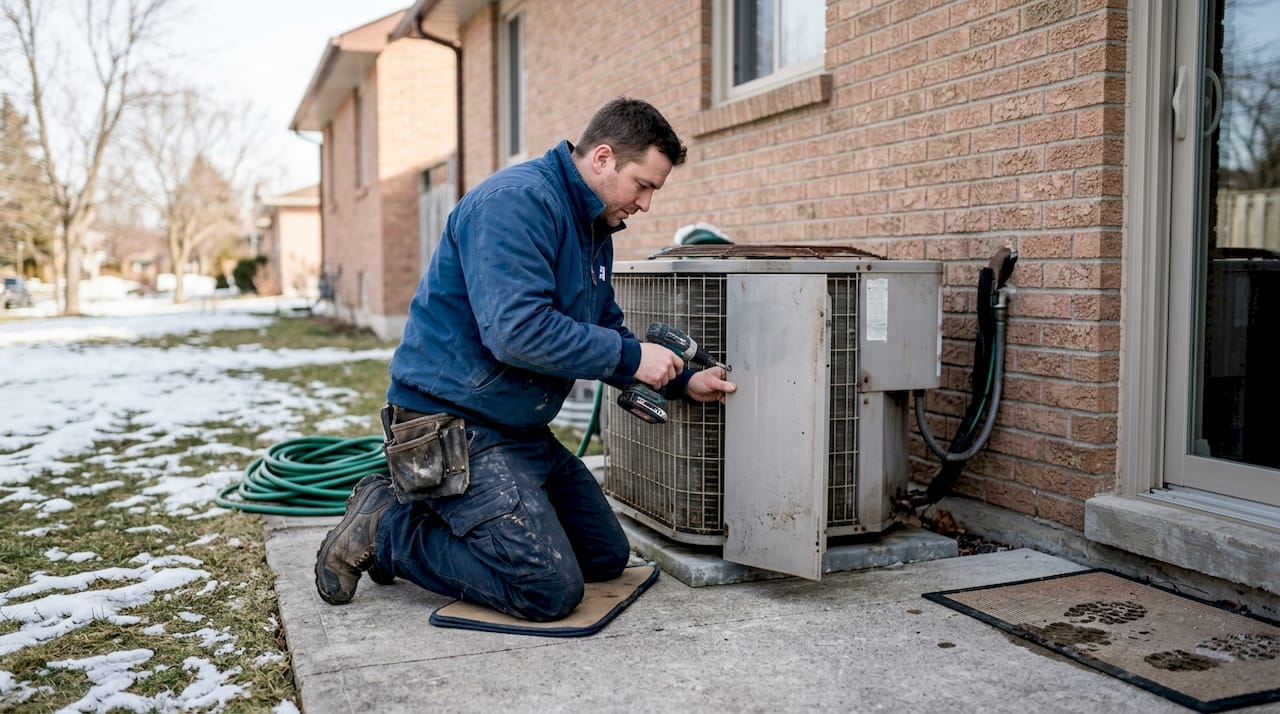
Even the best heat pumps can lose up to half their heating capacity on the coldest Canadian winter days, yet most homeowners assume the equipment is simply failing. The truth is more useful than that. Heat pumps are designed to work harder as temperatures drop, and when they fall short, there is almost always a specific, correctable reason behind it. Whether your system is blowing lukewarm air, running non-stop, or struggling to keep your home comfortable below freezing, this article walks you through exactly why heat loss happens and what you can do about it today.
Table of Contents
- How heat pumps provide and lose heat
- Why your heat pump loses heat: Common causes
- The impact of extreme cold on heat pump performance
- How to troubleshoot and fix heat loss issues
- What most people miss about heat pump heat loss
- Get reliable heat pump help and upgrades
- Frequently asked questions
Key Takeaways
| Point | Details |
|---|---|
| Cold weather impact | Even good heat pumps deliver less heat when outdoor temperatures drop sharply. |
| Maintenance matters most | Dirty coils and poor upkeep cause most avoidable heat loss and higher costs. |
| COP is crucial | A heat pump’s COP falls in the cold; cold-climate models maintain better efficiency. |
| Fixes are practical | Most heat loss issues can be solved with cleaning, diagnostics, and pro service. |
How heat pumps provide and lose heat
A heat pump does not create heat the way a furnace does. Instead, it moves heat from the outdoor air into your home using a refrigerant cycle, similar to how a refrigerator works in reverse. This process is remarkably efficient under mild conditions, but it becomes more demanding as outdoor temperatures fall.
The key measure of heat pump efficiency is the Coefficient of Performance (COP), which tells you how much heating energy you get for every unit of electricity consumed. A COP of 3.0 means you get three units of heat for every one unit of electricity. The problem is that COP is not fixed. As outdoor air gets colder, there is less heat energy available to extract, so your system works harder for less output. COP drops below 40°F, with a median COP of just 1.9 at 0 to 5°F for tested units, according to PNNL research published in 2025.
It helps to separate normal efficiency reduction from abnormal heat loss:
- Normal: Output decreasing gradually as temperatures drop below freezing
- Normal: Defrost cycles kicking in every hour or two on very cold days
- Abnormal: System blowing cool air at temperatures above 20°F
- Abnormal: Indoor temperature dropping despite the system running continuously
- Abnormal: Ice building up on the outdoor unit and not clearing
- Abnormal: A sudden spike in your electricity bill without a weather explanation
Factors that affect performance include weather, system design, installation quality, and how well the unit is maintained. Understanding heat pump efficiency explained in detail can help you set realistic expectations and spot trouble early. ENERGY STAR heat pump standards also provide a useful benchmark for what a properly functioning system should deliver.
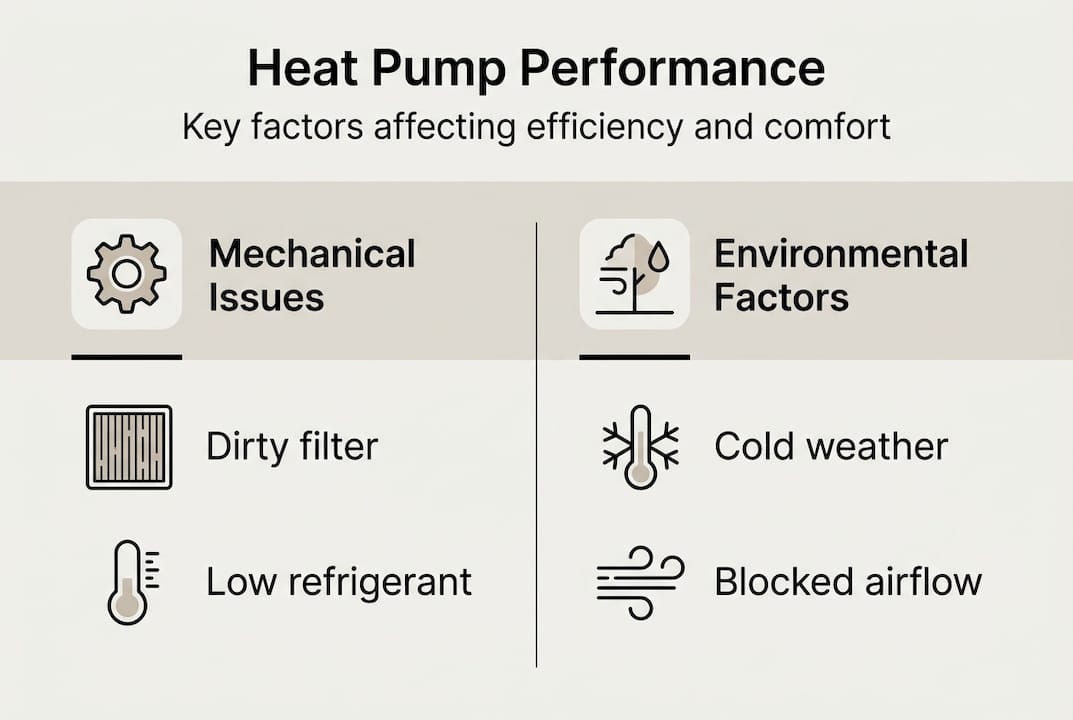
Pro Tip: If your heat pump is struggling at temperatures above 25°F, that is not a weather problem. That is a maintenance or equipment problem worth investigating right away.
Why your heat pump loses heat: Common causes
Understanding heat loss patterns sets the stage to pinpoint the specific reasons why your system underperforms. Most homeowners assume hardware failure is to blame, but the most common causes are far more mundane and far more fixable.
Dirty air filters and coils are the leading culprit. When filters clog, airflow is restricted and the system cannot move enough warm air through your home. Dirty evaporator or condenser coils force the refrigerant to work harder, raising energy consumption and cutting the system’s lifespan. Dirty coils increase energy use and reduce system lifespan, as confirmed by the ENERGY STAR Version 6.2 specification checklist.
Here is a quick summary of the most common causes:
| Cause | Symptom | First step |
|---|---|---|
| Dirty filter or coils | Weak airflow, high bills | Replace filter, schedule heat pump cleaning |
| Low refrigerant | Cool air, icing on unit | Call a licensed technician |
| Blocked outdoor unit | Reduced output, icing | Clear snow, debris, and obstructions |
| Incorrect sizing | Constant running, uneven temps | Consult installer for load calculation |
| Thermostat or control errors | Wrong mode, short cycling | Check settings, reset if needed |
Refrigerant issues are trickier. If your system is low on refrigerant, it cannot transfer heat effectively. This is not something you can top up yourself. It requires a licensed technician to find the leak, repair it, and recharge the system properly.
Outdoor unit blockage is easy to overlook in winter. Snow and ice piling against the unit, or debris from fall, can choke airflow and trigger abnormal icing. Keep at least 60 centimetres of clearance around the unit at all times.
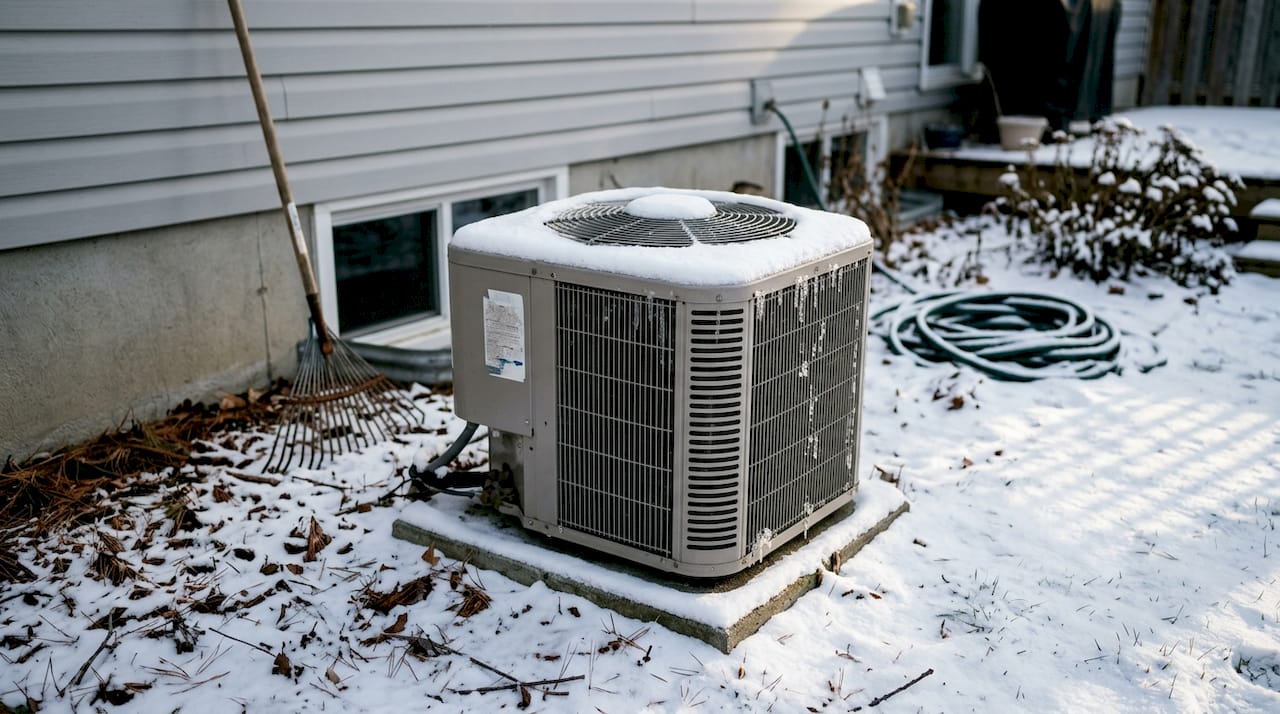
Incorrect sizing is a common installation mistake. A unit that is too small will run constantly without meeting demand. A unit that is too large will short-cycle, meaning it turns on and off too quickly to heat your home evenly. Review the heat pump troubleshooting guide for a full diagnostic checklist, and consult the heat pump maintenance guide to build better habits going forward.
The impact of extreme cold on heat pump performance
Once the common mechanical and operational issues are addressed, it is vital to assess how harsh Canadian winters affect overall heat pump efficiency. Canada’s climate puts heat pumps through conditions that most equipment in milder regions never faces.
Conventional air source heat pumps (ASHP) are designed for moderate climates and typically lose significant capacity below minus 10°C. Cold-climate models, sometimes called mini-splits or cold-climate ASHPs, are engineered specifically for temperatures as low as minus 25°C or colder. Cold-climate models maintain better COP, with a median COP of 1.9 at 0 to 5°F, while conventional ASHPs lose significant capacity at those same temperatures.
Here is how performance typically compares across temperature ranges:
| Outdoor temperature | Conventional ASHP COP | Cold-climate ASHP COP | Notes |
|---|---|---|---|
| Above 5°C (41°F) | 3.0 to 4.0 | 3.5 to 5.0 | Peak efficiency |
| 0°C (32°F) | 2.0 to 2.5 | 2.5 to 3.5 | Moderate reduction |
| Minus 10°C (14°F) | 1.5 to 1.8 | 2.0 to 2.5 | Noticeable drop |
| Minus 20°C (minus 4°F) | Below 1.2 | 1.5 to 2.0 | Backup heat may be needed |
ENERGY STAR requires a minimum COP of 1.75 at 5°F for cold-climate certified heat pumps. If your unit falls below this threshold regularly, it may be time to reassess your system.
For many Canadian homes, supplemental or backup heat is not a sign of failure. It is simply smart system design. Electric resistance backup, a gas furnace in a dual-fuel setup, or a wood stove can carry the load during the coldest nights while your heat pump handles milder days efficiently. Reviewing heat pump efficiency tips for Canadian homeowners can help you decide whether your current setup is appropriate for your climate zone. Always cross-reference with ENERGY STAR cold-climate standards when evaluating your options.
How to troubleshoot and fix heat loss issues
After understanding the cold climate challenges, you can take practical steps to resolve and prevent heat pump underperformance. This does not require a toolbox full of equipment. Most of the most effective fixes start with observation.
Follow this diagnostic sequence:
- Check the air filter. A clogged filter is the single most common cause of reduced performance. If it looks grey and dense, replace it immediately.
- Inspect the outdoor unit. Look for snow, ice, leaves, or debris blocking the coil or fan. Clear any obstructions and ensure the unit has proper clearance.
- Check the coil condition. If the coil looks dirty or has frost buildup that does not clear during a defrost cycle, it needs professional cleaning.
- Review your thermostat settings. Make sure the system is in heating mode, not fan-only or cooling. Check that the set temperature is appropriate and that no programming errors have crept in.
- Look for error codes. Most modern heat pumps display fault codes on the indoor unit or remote. Note any codes and look them up in your manual or call your technician.
- Schedule a professional service call if the above steps do not resolve the issue, especially for refrigerant checks, electrical faults, or deep coil cleaning.
Pro Tip: Use a digital thermometer to measure the air temperature at the supply vent and the return vent. A healthy heat pump should show a difference of 18 to 22°C between the two. A smaller gap points to a performance issue worth investigating.
Routine cleaning and maintenance following the ENERGY STAR checklist can restore lost efficiency and extend system life. Building these habits into your calendar twice a year, once before heating season and once before cooling season, prevents most of the issues covered in this article. The routine heat pump maintenance approach can save up to 25 percent on energy costs, and the heat pump maintenance checklist gives you a clear, step-by-step plan to follow.
What most people miss about heat pump heat loss
Most homeowners we speak with focus on two things when their heat pump underperforms: how old it is and what brand it is. Both are understandable concerns, but they are rarely the real issue. The single biggest lever for restoring lost heat pump performance is ongoing maintenance, and it is the one thing most people skip.
A professional tune-up on a five-year-old unit that has never been serviced will almost always outperform a brand-new unit installed without proper setup and left to run without attention. That is not a guess. It is a pattern we see repeatedly.
User behaviour matters enormously too. Leaving a thermostat in emergency heat mode by accident, blocking return air vents with furniture, or ignoring a dirty filter for two winters are all habits that quietly drain performance. These are not hardware problems. They are operational ones, and they are completely within your control.
The shift worth making is from thinking about your heat pump as a set-and-forget appliance to treating it as a system that needs seasonal attention. That mindset change, more than any equipment upgrade, is what keeps homes warm through a Canadian winter. For practical guidance on where to start, the heat pump repair tips for Canadian homeowners offer a solid foundation.
Get reliable heat pump help and upgrades
If your heat pump is still underperforming after working through these steps, it may be time to bring in professional support or consider whether your current system is the right fit for your home.

At CoolFix, we support Canadian homeowners with everything from repair assessments to full installation planning. If you are weighing your options, the heat pump replacement tutorial walks you through the decision process clearly. If you are planning a new install, the heat pump installation timeline helps you understand what to expect from start to finish. Do not let a struggling system drain your comfort and your energy budget. Reach out and get the right help before the next cold snap arrives.
Frequently asked questions
Why does my heat pump lose heat in very cold weather?
Heat pumps lose heat in extreme cold because their efficiency drops as outdoor temperatures fall, making it harder to extract warmth from the air. COP drops below 40°F, with a median COP of just 1.9 at 0 to 5°F for tested units.
How can I tell if my heat pump needs maintenance?
If your system runs constantly, blows cool air, or your energy bills have climbed without explanation, it likely needs filter cleaning or professional servicing. Dirty coils increase energy use and reduce system lifespan according to the ENERGY STAR checklist.
Will a bigger heat pump prevent heat loss in winter?
A larger unit does not solve the problem and can actually create short-cycling issues that reduce efficiency further. Proper sizing and maintenance are the most important factors for reliable heat output.
Can routine cleaning really make my heat pump work better?
Yes, cleaning coils and replacing filters regularly can restore lost efficiency and prevent costly repairs down the road. Routine cleaning following the ENERGY STAR checklist is one of the most effective steps you can take.
Recommended
- How to Repair Heat Pump Leaks for Reliable Results – CoolFix Appliance & HVAC Service
- Reasons heat pumps fail and how to prevent breakdowns – CoolFix Appliance & HVAC Service
- Appliance Repair Heat Pump Guide for Efficient Maintenance – CoolFix Appliance & HVAC Service
- 7 Signs Your Heat Pump Needs Repair Before Winter Hits – CoolFix Appliance & HVAC Service
- HVAC Design Essentials: 40% Energy Savings for Florida – Florida Licensed Engineers
0 Comments