
Routine maintenance isn’t just a suggestion for heat pump owners—it’s the difference between a system that runs efficiently for 15 years and one that fails prematurely while driving up your energy bills. Regular maintenance can improve energy efficiency by up to 25%, translating to hundreds of dollars in annual savings. This article will walk you through why maintenance matters, what tasks you need to perform, and how to create a schedule that keeps your heat pump running at peak performance year-round.
Table of Contents
- Understanding Heat Pumps And Their Year-Round Operation
- Why Heat Pumps Need Routine Maintenance
- Common Misconceptions About Heat Pump Maintenance
- Key Routine Maintenance Tasks And Their Impact
- DIY Maintenance Versus Professional Servicing
- Benefits Of Routine Maintenance For Homeowners
- Implementing An Effective Maintenance Schedule
- Keep Your Heat Pump Running Efficiently With Expert Help
- Frequently Asked Questions
Key takeaways
| Point | Details |
|---|---|
| Energy savings | Routine maintenance improves efficiency by up to 25%, cutting utility costs significantly. |
| Extended lifespan | Proper care extends heat pump life from 8-10 years to 15 years or more. |
| Shared responsibility | Homeowners handle monthly tasks while professionals perform critical annual inspections. |
| Warranty protection | Neglecting maintenance often voids manufacturer warranties and increases breakdown risks. |
| Emergency prevention | Annual professional servicing reduces emergency repair calls by up to 40%. |
Understanding heat pumps and their year-round operation
Heat pumps provide both heating and cooling by transferring heat rather than generating it, making them fundamentally different from traditional furnaces or air conditioners. During winter, they extract heat from outdoor air and move it inside. In summer, they reverse the process to cool your home.
This continuous operation throughout all seasons means your heat pump works harder than single-purpose systems. Consider these operational realities:
- Heat pumps run year-round to manage both heating and cooling needs
- Winter heating cycles strain components differently than summer cooling
- Constant use accelerates wear on moving parts and electrical connections
- Seasonal temperature extremes demand peak performance when you need it most
- Early detection of issues prevents minor problems from becoming major failures
Understanding these basics helps you recognize why heat pump servicing isn’t optional. Your system depends on regular attention to handle the demanding workload.
Why heat pumps need routine maintenance
Dirt accumulation on coils and filters doesn’t just make your system dirty—it creates a cascade of performance problems. When airflow gets restricted, your compressor works harder to achieve the same temperature change. This extra strain increases energy consumption and accelerates component wear.
The efficiency impact is measurable and significant. Without proper upkeep, you’ll see a 10% to 25% drop in performance over just a few years. That means higher monthly bills and reduced comfort during extreme weather.
Neglecting heat pump maintenance can lead to premature system failure and voided manufacturer warranties, cutting your system’s life to just 3-5 years instead of the expected 15. Most manufacturers require documented annual professional service to honor warranty claims.
The financial math is straightforward. Spending $150-300 annually on maintenance prevents $2,000-5,000 repair bills and extends your system’s productive life by years. Following a proper heat pump maintenance checklist protects your investment.
Pro Tip: Schedule professional maintenance in spring before cooling season and fall before heating season. This timing ensures your system performs efficiently when you need it most and catches problems before they cause breakdowns during temperature extremes.
Common misconceptions about heat pump maintenance
Many homeowners believe changing filters monthly covers their maintenance obligations. While filter changes are essential, they represent just one piece of a comprehensive care program. Coils still accumulate dirt, refrigerant levels can drift, and electrical connections loosen over time.
Another widespread myth suggests maintenance is only necessary before your primary heating or cooling season. Heat pumps operate year-round, so both systems—heating and cooling—need attention. Focusing only on one season leaves half your system vulnerable to efficiency loss and potential failure.
Some assume a running heat pump is a healthy heat pump. Your system can operate while consuming 25% more energy than necessary or developing problems that will cause failure next season. Performance degradation happens gradually, making it invisible until you compare energy bills or notice comfort issues.
The refrigerant misconception is particularly costly. Many believe refrigerant naturally depletes like gasoline in a car. In reality, heat pumps use sealed systems—refrigerant loss indicates a leak requiring immediate professional repair. Topping off refrigerant without fixing leaks wastes money and harms the environment.
These misunderstandings lead homeowners to underinvest in care, ultimately paying more in energy costs and premature replacements. Proper maintenance requires both regular homeowner tasks and annual professional service.
Key routine maintenance tasks and their impact
Maintaining your heat pump involves a combination of simple monthly checks and more technical annual procedures. Here’s what you need to do and why each task matters:
-
Monthly filter inspection and cleaning: Check filters every 30 days and clean or replace as needed. Dirty filters reduce airflow by up to 15%, forcing your system to work harder.
-
Seasonal outdoor unit cleaning: Remove leaves, grass clippings, and debris from around the outdoor unit quarterly. Clear at least 2 feet of space on all sides for proper airflow.
-
Thermostat calibration checks: Verify your thermostat reading matches actual room temperature. A miscalibrated thermostat can cause your system to run unnecessarily.
-
Annual professional tune-up: Technicians inspect electrical connections, test capacitors, measure refrigerant levels, and clean coils thoroughly. These tasks require specialized tools and training.
-
Duct inspection and sealing: Check accessible ductwork for leaks or disconnections. Sealing duct leaks can improve efficiency by 20% or more.
The following table shows which tasks you can handle versus which require professional expertise:
| Task Category | Homeowner Tasks | Professional Tasks |
|---|---|---|
| Filters | Monthly inspection and cleaning | Annual deep system cleaning |
| Outdoor Unit | Remove debris, ensure clearance | Coil cleaning, fin straightening |
| Electrical | Visual inspection for damage | Connection tightening, voltage testing |
| Refrigerant | Monitor for ice buildup | Pressure testing, leak repair |
| Performance | Track energy bills, note issues | Efficiency testing, calibration |
Pro Tip: Create a simple maintenance log using your phone’s calendar app. Record each task completion date and any observations. This documentation helps identify patterns and proves maintenance compliance for warranty claims.
Following this structured approach using resources like the heat pump maintenance checklist ensures nothing gets overlooked.
DIY maintenance versus professional servicing
Homeowner tasks focus on accessibility and safety. You can easily change filters, clear debris from the outdoor unit, and perform basic visual inspections. These monthly checks cost nothing but time and prevent many common problems.
Professional service tackles the technical elements requiring specialized equipment. Technicians use manifold gauges to check refrigerant pressures, multimeters to test electrical components, and specialized cleaners to remove stubborn coil buildup. They can spot subtle issues like failing capacitors or refrigerant leaks before they cause system failure.
The cost difference is real but misleading. DIY maintenance might save $200-300 annually in service fees. However, skipping professional tune-ups risks much larger expenses. Annual professional maintenance reduces emergency repairs by up to 40%, and emergency service calls typically cost 2-3 times more than scheduled maintenance.
Warranty compliance requires professional documentation. Most manufacturers specify annual professional service in their warranty terms. A $250 service call is cheaper than a $3,000 compressor replacement that warranty would have covered.
| Comparison Factor | DIY Approach | Professional Service |
|---|---|---|
| Cost per year | $0-50 (supplies) | $150-300 (annual visit) |
| Tasks covered | Surface cleaning, filters | Full system inspection, repairs |
| Problem detection | Visible issues only | Hidden electrical, refrigerant problems |
| Warranty validity | Does not satisfy requirements | Maintains manufacturer warranty |
| Emergency risk | Higher failure probability | 40% fewer emergency calls |
The smart approach combines both. You handle frequent basic tasks while professionals perform the annual deep inspections that require expertise. Understanding the professional maintenance workflow helps you appreciate what trained technicians accomplish during service visits.
Benefits of routine maintenance for homeowners
The energy savings alone justify maintenance costs. Regular maintenance can improve energy efficiency by up to 25%, which translates to $300-600 in annual savings for typical homes. Over your heat pump’s lifespan, that’s thousands of dollars staying in your pocket.
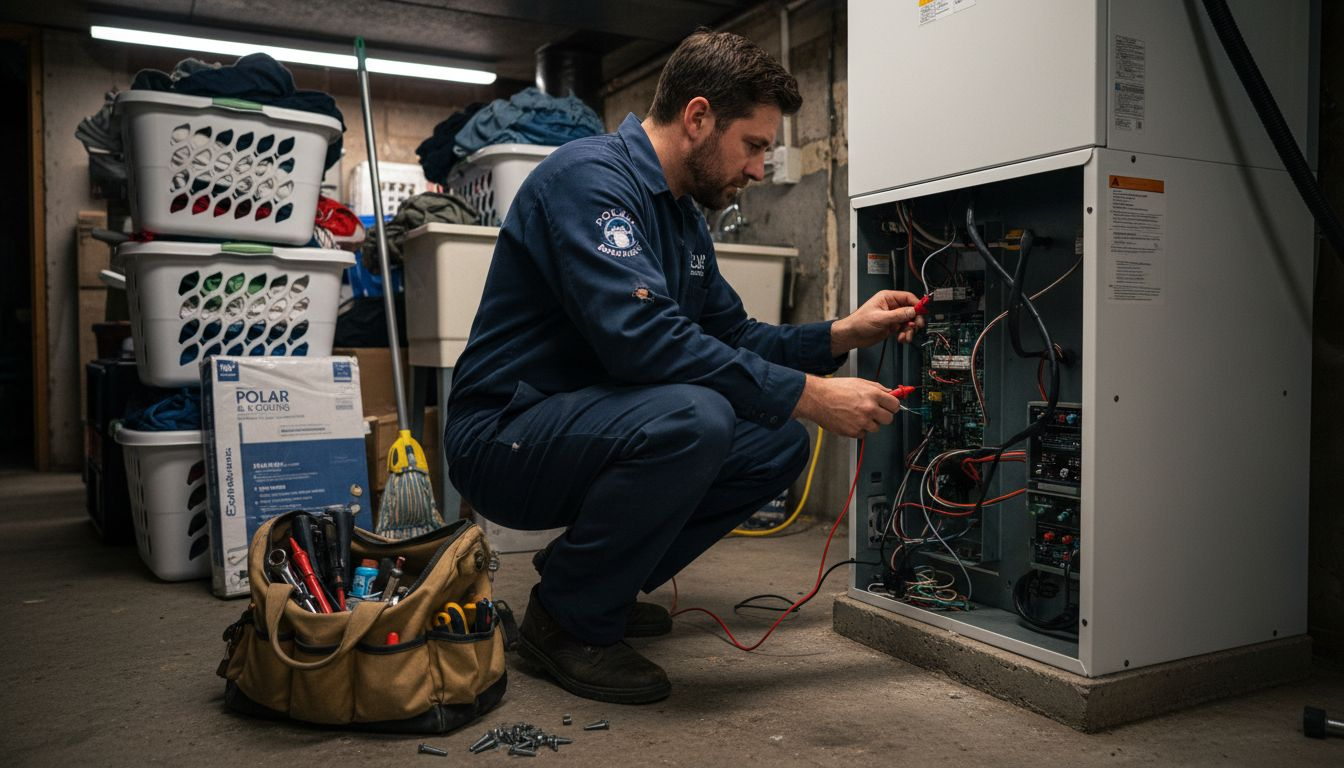
Lifespan extension provides even greater value. A neglected heat pump might last 8-10 years, while a well-maintained system easily reaches 15 years or more. The difference between replacing a $5,000 system every 8 years versus every 15 years adds up quickly.
Comfort improvements are immediate and noticeable. Properly maintained systems distribute temperature more evenly, eliminate hot or cold spots, and respond faster to thermostat adjustments. Clean filters and coils also improve indoor air quality by removing dust and allergens more effectively.
The peace of mind factor shouldn’t be underestimated. Annual professional maintenance contracts reduce emergency repair incidents by up to 40%. You’re far less likely to face a system failure during a winter cold snap or summer heat wave.
Key benefits include:
- Monthly utility bill reductions of 20-25% compared to neglected systems
- 50-80% longer equipment lifespan with proper care
- Fewer unexpected breakdowns and emergency service calls
- Better humidity control and air quality throughout your home
- Maintained resale value for your home
Efficiency Impact: Regular maintenance improves energy efficiency by up to 25% while reducing emergency repairs by 40%, protecting both your comfort and your budget.
These benefits compound over time, making maintenance one of the highest-return investments you can make in your home. Understanding heat pump servicing benefits helps you appreciate the full value proposition.
Implementing an effective maintenance schedule
Creating a practical schedule removes the guesswork from heat pump care. Here’s a proven timeline that balances thoroughness with realistic homeowner commitment:
-
Monthly tasks (year-round): Check and clean filters on the first day of each month. Inspect the outdoor unit for debris accumulation. Look for any unusual sounds or performance issues.
-
Spring maintenance (April-May): Schedule professional service before cooling season. Technicians will prepare your system for summer’s demands, clean coils, and verify refrigerant levels.
-
Fall maintenance (September-October): Book your second annual professional visit before heating season. This timing catches problems before winter cold stresses your system.
-
Quarterly checks (every 3 months): Inspect accessible ductwork for leaks or damage. Clear vegetation and debris from around outdoor units. Test thermostat accuracy.
-
Record keeping (ongoing): Document every maintenance task, professional visit, and system observation in a simple log. Note dates, work performed, and any technician recommendations.
Watch for warning signs between scheduled maintenance that indicate immediate attention is needed. Unusual noises, ice buildup, rapidly cycling on and off, or sudden efficiency drops all warrant prompt inspection. Recognizing these 7 signs your heat pump needs repair prevents minor issues from becoming major failures.
Consistent scheduling with trusted providers builds a service relationship that benefits you. Technicians familiar with your system spot changes faster and often provide priority scheduling. Many companies offer maintenance contracts that bundle visits at discounted rates while guaranteeing priority emergency service.
The seasonal maintenance checklist approach ensures nothing falls through the cracks while spreading tasks across the year. Set phone reminders for monthly checks and schedule professional visits 6 months apart to maintain optimal system health.
Keep your heat pump running efficiently with expert help
Maintaining your heat pump doesn’t have to be complicated when you have the right partner. CoolFix specializes in comprehensive heat pump care that keeps your system running at peak efficiency year-round.

Our certified technicians understand the unique demands of Canadian climates and perform thorough inspections that catch problems early. We offer flexible scheduling for your spring and fall tune-ups, complete documentation for warranty compliance, and priority service when you need repairs. Whether you need guidance on DIY tasks using our heat pump maintenance checklist or want to explore options covered in our heat pump replacement tutorial, we provide the expertise you need. Contact CoolFix today to schedule your next heat pump servicing appointment and protect your investment for years to come.
Frequently asked questions
How often should I perform routine maintenance on my heat pump?
Perform basic tasks like filter checks monthly throughout the year. Schedule professional tune-ups twice annually—once in spring before cooling season and once in fall before heating season. This combination provides optimal protection while catching problems early.
Can I handle all heat pump maintenance myself?
You can manage monthly filter changes, debris removal, and basic inspections independently. However, tasks involving refrigerant, electrical systems, and internal components require professional technicians with specialized tools. Skipping professional service risks warranty violations and missed problems.
What happens if I skip regular maintenance?
Your heat pump will lose 10-25% efficiency within a few years, increasing energy bills substantially. Component wear accelerates, potentially cutting system life to 3-5 years instead of 15. Most manufacturers void warranties without documented professional maintenance.
How much does professional heat pump maintenance cost?
Expect to pay $150-300 per visit for professional tune-ups. Many companies offer annual maintenance contracts covering two visits for $250-500 total. This investment prevents far costlier emergency repairs and extends your system’s productive lifespan.
What’s included in a professional maintenance visit?
Technicians inspect and clean coils, test refrigerant levels, tighten electrical connections, verify thermostat calibration, measure airflow, and check all safety controls. They’ll provide a detailed report of system condition and recommend any needed repairs before problems cause failures.
Recommended
- Optimized Heat Pump Maintenance Workflow for Technicians – CoolFix Appliance & HVAC Service
- Appliance Repair Heat Pump Guide for Efficient Maintenance – CoolFix Appliance & HVAC Service
- 7 Essential Steps for Your Heat Pump Maintenance Checklist – CoolFix Appliance & HVAC Service
- 7 Heat Pump Efficiency Tips for Canadian Homeowners – CoolFix Appliance & HVAC Service
- Energy Efficient Back Doors: Comfort, Savings, and Compliance | Sabatalo Contracting
0 Comments