
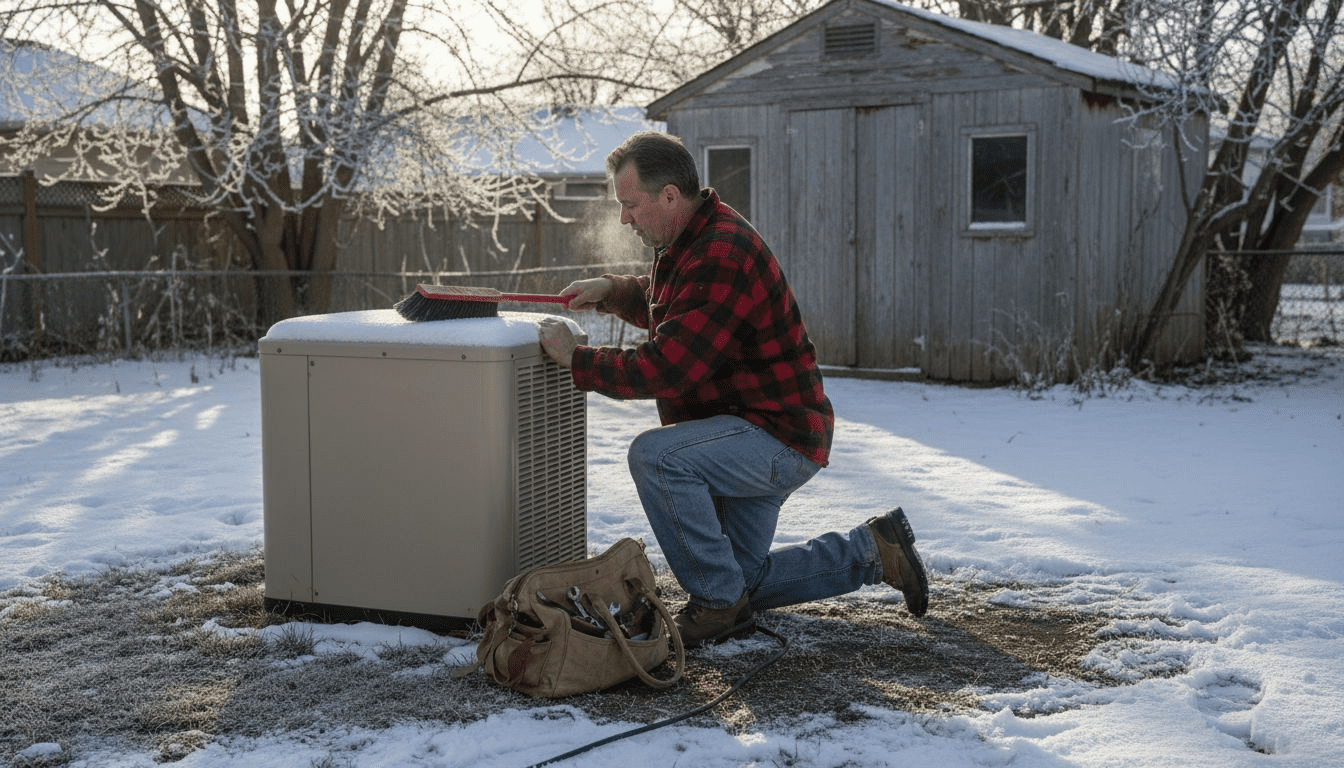
Cold winters and sudden temperature swings can make keeping your home comfortable—and your bills manageable—feel like a constant battle. Many Canadian homeowners overlook the simple steps that keep a heat pump working its best, leading to wasted energy and avoidable maintenance headaches.
The right routine can help you avoid costly repairs and extend the life of your system. By following proven practices, you can actually lower energy consumption, stay warm through the harshest days, and save money every month.
Get ready to discover practical tips you can use right away. These expert-backed strategies will help your heat pump run smoothly, efficiently, and reliably no matter what Canadian weather brings.
Table of Contents
- 1. Check and Clean Air Filters Regularly
- 2. Seal Ductwork to Prevent Energy Loss
- 3. Optimise Thermostat Settings for Savings
- 4. Keep Outdoor Unit Clear of Debris and Snow
- 5. Schedule Professional Maintenance Annually
- 6. Monitor Refrigerant Levels for Proper Operation
- 7. Upgrade Insulation in Key Areas of Your Home
Quick Summary
| Key Message | Explanation |
|---|---|
| 1. Regularly Clean Air Filters | Keeping air filters clean boosts system efficiency and reduces energy costs by up to 15%. Check monthly during peak usage. |
| 2. Seal Ductwork for Efficiency | Properly sealed ductwork can improve system efficiency by up to 20% and minimize energy waste. Inspect and seal leaks regularly. |
| 3. Optimize Thermostat Settings | Adjust thermostat settings for energy savings; a reduction of just 2-3 degrees can save you up to 10% on heating costs. |
| 4. Maintain Clear Outdoor Unit | Keeping the outdoor unit free from snow and debris is essential for efficiency; a blocked unit can hinder performance by up to 25%. |
| 5. Schedule Annual Professional Maintenance | Regular professional inspections can enhance efficiency by 15% and extend system lifespan, preventing costly breakdowns. |
1. Check and Clean Air Filters Regularly
Keeping your heat pump’s air filters clean is a straightforward yet critical maintenance task for Canadian homeowners. Dirty filters don’t just impact air quality – they directly affect your system’s efficiency and energy consumption.
According to Natural Resources Canada, air filters play a crucial role in maintaining heat pump performance. When filters become clogged, they create significant challenges:
- Restrict airflow through the system
- Force the heat pump to work harder
- Increase electricity consumption
- Reduce overall system efficiency
- Potentially cause unnecessary wear on mechanical components
A clean air filter can reduce your heat pump’s energy consumption by up to 15% during peak usage periods.
Most heat pump manufacturers recommend checking filters monthly, especially during high-use heating and cooling seasons. This simple practice helps maintain optimal system performance and can prevent costly repairs down the line.
To clean your filters effectively, follow these steps:
- Locate the air filter in your heat pump system
- Remove the filter carefully
- Vacuum or wash the filter with mild detergent
- Allow the filter to dry completely before reinstalling
- Replace disposable filters if they appear damaged or excessively dirty
Frequency matters. Regular maintenance prevents dust and allergen buildup, ensuring your heat pump operates at peak efficiency.
Pro tip: Keep a maintenance log to track filter cleaning dates and system performance, helping you establish a consistent care routine for your heat pump.
2. Seal Ductwork to Prevent Energy Loss
Your home’s ductwork plays a critical role in heat pump efficiency, acting like the circulatory system for your heating and cooling. Unsealed or poorly maintained ducts can significantly compromise your system’s performance and energy consumption.
Ductwork leaks create multiple problems for Canadian homeowners:
- Allow heated or cooled air to escape before reaching intended rooms
- Reduce overall system efficiency
- Increase energy consumption
- Create uneven temperature distribution
- Potentially introduce dust and allergens into living spaces
Properly sealed ductwork can improve heat pump efficiency by up to 20% and reduce monthly energy costs.
Common leak locations include:
- Connections between duct sections
- Around register vents
- Near furnace or heat pump connections
- Joints in attic or crawl spaces
To identify and address ductwork leaks, follow these steps:
- Visually inspect all accessible duct connections
- Feel for air movement around duct joints
- Use specialized duct sealing techniques recommended by HVAC professionals
- Apply mastic sealant or metal tape designed for ductwork
- Consider professional energy auditing for comprehensive assessment
Thermal efficiency matters. Proper duct sealing transforms your heat pump’s performance and reduces unnecessary energy waste.
Pro tip: Schedule a professional ductwork inspection every two years to ensure optimal sealing and identify potential energy loss points.
3. Optimise Thermostat Settings for Savings
Thermostat settings can dramatically impact your heat pump’s energy efficiency and monthly utility bills. Strategic temperature management is more than just a comfort issue – it’s a key strategy for reducing energy consumption in Canadian homes.
Smart temperature management involves understanding how small adjustments can yield significant savings:
- Lower temperatures during sleeping hours
- Reduce heating when home is unoccupied
- Maintain consistent temperature ranges
- Leverage programmable or smart thermostat control systems
- Avoid extreme temperature fluctuations
Reducing your thermostat by just 2-3 degrees can save up to 10% on heating costs annually.
For most Canadian households, optimal temperature settings include:
- Daytime: 20-21°C when home and active
- Nighttime: 16-18°C while sleeping
- Away mode: 14-16°C during extended absences
Seasonal adjustments matter. Winter and summer require different strategic approaches to maximize efficiency.
Programmable thermostats offer several advantages:
- Automatic temperature scheduling
- Remote access and control
- Detailed energy consumption tracking
- Customizable comfort settings
Technology integration can transform your heat pump’s performance. Modern thermostats learn your habits and optimise energy use automatically.
Pro tip: Consider installing a smart thermostat with geofencing capabilities to automatically adjust temperatures based on your smartphone’s location.
4. Keep Outdoor Unit Clear of Debris and Snow
Your heat pump’s outdoor unit is its lifeline during Canadian winters, and keeping it clear of debris and snow is crucial for maintaining peak performance. Neglecting this essential maintenance can lead to significant efficiency losses and potential system damage.
Seasonal maintenance recommendations highlight the importance of proper outdoor unit care:
- Prevent snow and ice buildup
- Remove fallen leaves and branches
- Maintain clear airflow around the unit
- Check for potential physical obstructions
- Inspect unit condition regularly
A blocked outdoor unit can reduce heat pump efficiency by up to 25% during winter months.
Winter challenges for heat pumps include:
- Snow accumulation restricting air circulation
- Ice formation on critical components
- Reduced heat transfer capabilities
- Increased mechanical strain
Clearing techniques for your outdoor unit:
- Use a soft brush to remove light snow
- Avoid using sharp tools that might damage unit
- Create a small clearance around the unit
- Keep surrounding area free from vegetation
- Ensure at least 18 inches of clear space
Mechanical protection matters. Your heat pump needs breathing room to operate efficiently.
Pro tip: Consider installing a protective cover or small awning to help reduce snow accumulation while maintaining proper ventilation.
5. Schedule Professional Maintenance Annually
Annual professional maintenance is the cornerstone of keeping your heat pump running efficiently in Canada’s challenging climate. Think of it like a comprehensive health checkup for your heating system that prevents costly breakdowns and ensures optimal performance.
Natural Resources Canada recommends comprehensive annual professional inspections that cover critical system components:
- Check electrical connections
- Verify refrigerant levels
- Lubricate moving parts
- Inspect heat exchanger coils
- Test system controls
- Assess overall system performance
Professional maintenance can improve heat pump efficiency by up to 15% and extend system lifespan by several years.
Maintenance benefits include:
- Prevent unexpected system failures
- Reduce long-term repair costs
- Maintain manufacturer warranty requirements
- Optimize energy efficiency
- Ensure consistent home comfort
Typical maintenance procedures involve:
- Comprehensive system diagnostics
- Cleaning internal components
- Calibrating thermostats
- Checking system airflow
- Identifying potential wear and tear
Proactive care saves money. Regular maintenance is significantly less expensive than major system repairs or premature replacement.
Pro tip: Schedule your annual maintenance during shoulder seasons like early spring or late autumn to ensure technician availability and optimal system preparation.
6. Monitor Refrigerant Levels for Proper Operation
Refrigerant is the lifeblood of your heat pump system, playing a critical role in transferring heat efficiently between indoor and outdoor environments. Understanding and maintaining proper refrigerant levels is essential for optimal performance in Canadian homes.
Natural Resources Canada emphasizes the importance of precise refrigerant management:
- Ensures efficient heat transfer
- Prevents system strain
- Reduces energy consumption
- Maintains consistent home comfort
- Extends system lifespan
Incorrect refrigerant levels can reduce heat pump efficiency by up to 20% and increase energy costs significantly.
Refrigerant challenges in Canadian climates include:
- Rapid temperature fluctuations
- Potential refrigerant leakage
- Compressor stress
- Reduced heating and cooling performance
Warning signs of refrigerant issues:
- Decreased heating or cooling efficiency
- Unusual system noises
- Longer system run times
- Inconsistent indoor temperatures
- Ice formation on outdoor unit
System health requires precision. Professional technicians have specialized tools to measure and adjust refrigerant levels accurately.
Pro tip: Keep a maintenance record documenting refrigerant levels during each annual service to track potential systemic changes over time.
7. Upgrade Insulation in Key Areas of Your Home
Effective home insulation is the silent hero of heat pump efficiency, dramatically reducing energy consumption and maintaining consistent indoor temperatures. By strategically upgrading insulation in key areas, Canadian homeowners can significantly enhance their heat pump’s performance.
Heat pump zoning strategies can complement insulation upgrades for maximum efficiency:
- Reduce heat loss in critical areas
- Minimise energy waste
- Create thermal barriers
- Improve overall home comfort
- Lower monthly heating costs
Proper insulation can reduce heating and cooling costs by up to 30% in Canadian homes.
Critical insulation focus areas:
- Attic spaces
- Wall cavities
- Basement and crawl spaces
- Window and door frames
- Exterior wall intersections
Insulation material options:
- Fibreglass batts
- Spray foam
- Cellulose
- Mineral wool
- Rigid foam boards
Thermal efficiency matters. Comprehensive insulation creates a protective envelope around your home, supporting your heat pump’s performance.
Pro tip: Consider a professional energy audit to identify specific insulation gaps and prioritise your home improvement investments.
Below is a comprehensive table summarizing the key strategies and recommendations for maintaining heat pump efficiency in Canadian homes as discussed in the article.
| Maintenance Area | Steps to Implement | Key Benefits |
|---|---|---|
| Air Filters | Regularly check and clean air filters; replace if needed. | Improved air quality, reduced energy consumption. |
| Ductwork | Inspect and seal ductwork leaks. | Enhanced efficiency, lower energy costs. |
| Thermostat Settings | Optimise and set consistent temperatures throughout the day. | Reduced heating/cooling costs, enhanced comfort. |
| Outdoor Unit | Keep clear of debris and snow; maintain proper airflow. | Prevents efficiency losses, protects mechanical parts. |
| Annual Professional Maintenance | Schedule and complete comprehensive system inspections. | Prolongs system lifespan, maintains manufacturer warranty. |
Maximise Your Heat Pump Efficiency with Expert Help
Maintaining peak heat pump performance in Canadian homes is a rewarding challenge but one that requires careful attention to key details like air filter cleaning, duct sealing, thermostat optimisation, and refrigerant management. If you want to overcome these common obstacles and reduce energy costs while extending your system’s lifespan the trusted professionals at Coolfix can help you achieve your goals with expert heat pump installation and appliance repair. Their comprehensive services ensure everything from precise refrigerant charging to proper duct sealing is done right the first time.

Take control of your home comfort and energy savings today by partnering with the specialists at Coolfix. Whether you need routine maintenance, emergency repairs, or an upgrade to a smart thermostat system Coolfix’s team is ready to support your efficient heat pump journey right now. Visit their website to learn more and schedule a consultation to safeguard your home against inefficiency and costly breakdowns.
Frequently Asked Questions
How often should I check and clean my heat pump’s air filters?
To maintain optimal efficiency, check and clean your heat pump’s air filters monthly. A clean filter can reduce energy consumption by up to 15% during peak usage periods.
What are the best ways to seal ductwork in my home?
Identify and seal leaks in the ductwork by visually inspecting connections and feeling for air movement. Use mastic sealant or metal tape designed for ductwork to improve efficiency by up to 20% and reduce your monthly energy costs.
How can I optimise my thermostat settings for better energy savings?
Adjust your thermostat settings by lowering temperatures during sleeping hours and while the home is unoccupied. Lowering your thermostat by just 2-3 degrees can save you up to 10% on heating costs annually.
What should I do to keep the outdoor unit of my heat pump clear of debris and snow?
Regularly remove any snow, ice, leaves, or branches around the outdoor unit. Keeping the area clear allows for proper airflow and can prevent a reduction in efficiency by up to 25% during winter months.
Why is annual professional maintenance important for my heat pump?
Annual professional maintenance helps prevent unexpected system failures and ensures optimal performance. It can improve heat pump efficiency by up to 15% and extend the system’s lifespan significantly.
How can I monitor and maintain proper refrigerant levels in my heat pump?
Look for warning signs of refrigerant issues such as decreased efficiency or unusual system noises. Hire a professional technician to accurately measure and adjust refrigerant levels, as incorrect levels can reduce efficiency by up to 20%.
Recommended
- Heat Pump Location Factors – Maximizing Efficiency in Canada – CoolFix Appliance & HVAC Service
- 7 Best Practices for Heat Pump Repair in Canada – CoolFix Appliance & HVAC Service
- 7 Essential Heat Pump Repair Tips for Canadian Homeowners – CoolFix Appliance & HVAC Service
- Heat Pump Placement Explained: Energy Savings at Home – CoolFix Appliance & HVAC Service
0 Comments