
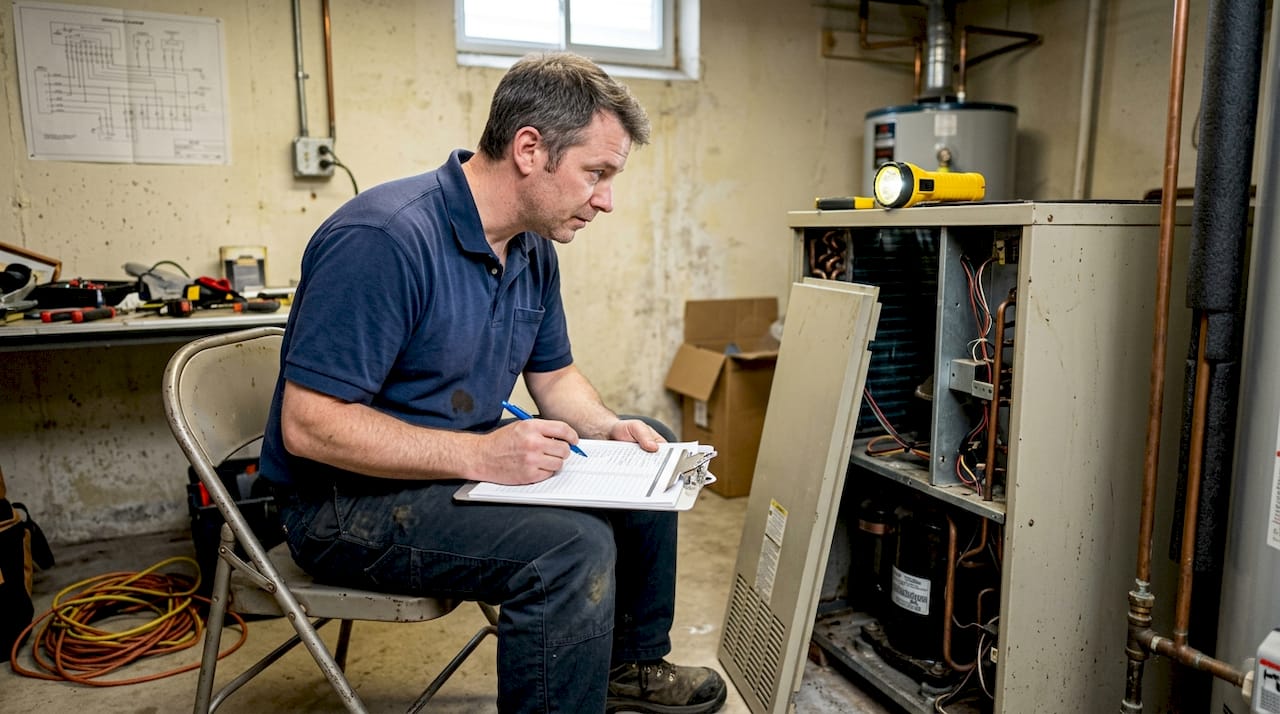
Heat pump systems comprise dozens of interconnected components that demand meticulous attention during installation and maintenance. For HVAC professionals and appliance repair technicians, overlooking a single element can cascade into efficiency losses, premature failures, or costly callbacks. This comprehensive checklist equips you with systematic processes to verify every critical component, ensuring reliable performance and client satisfaction across diverse climates and system configurations.
Table of Contents
- Key takeaways
- Core heat pump components every technician must know
- Comprehensive installation checklist for reliable heat pump setup
- Maintenance checklist to ensure optimal heat pump performance
- Special considerations and edge cases for heat pump technicians
- Benchmarking and expert tips to enhance heat pump service quality
- How CoolFix supports your heat pump work
- Frequently asked questions
Key Takeaways
| Point | Details |
|---|---|
| Compressor fundamentals | The compressor acts as the system heart, circulating refrigerant and creating pressure differentials, with modern scroll and variable speed units reaching high efficiency when properly maintained. |
| Reversing valve health | The reversing valve controls flow direction between heating and cooling; check for leaks at connections and ensure smooth operation during mode changes, replacing worn units as needed. |
| Coils and TXV care | Dirty evaporator and condenser coils cut capacity by up to 30 percent and force higher compressor loads, so inspect fins, clean as needed, and verify TXV superheat readings against specs. |
| Baseline commissioning | Document baseline superheat and subcooling values during commissioning to simplify diagnostics and reveal gradual refrigerant loss before failures. |
| Lubrication and checks | Annually lubricate outdoor fan motors and indoor blowers and verify electrical connections and control board communications to prevent bearing wear and miscommunication. |
Core heat pump components every technician must know
Understanding each component’s function and failure signatures enables rapid diagnosis and targeted repairs. The compressor serves as the system’s heart, circulating refrigerant and creating pressure differentials. Modern scroll and variable-speed compressors operate at 80-95% efficiency when properly maintained. Listen for unusual grinding or clicking during operation, which signals bearing wear or electrical faults.
The reversing valve switches refrigerant flow direction between heating and cooling modes. This component fails more frequently in systems that cycle between modes regularly. Check for refrigerant leaks at valve connections and verify smooth operation during mode changes. Sluggish switching or stuck valves indicate internal wear requiring replacement.
Evaporator and condenser coils transfer thermal energy between refrigerant and air. Dirty coils reduce capacity by 20-30% and force compressors to work harder. Inspect fins for damage, corrosion, or debris accumulation. Use appropriate coil cleaners and straightening tools to restore optimal airflow. The expansion valve or thermostatic expansion valve (TXV) regulates refrigerant flow into the evaporator. Superheat measurements reveal valve performance, with readings outside manufacturer specifications indicating restriction or malfunction.
Pro Tip: Document baseline superheat and subcooling values during commissioning. These reference points simplify future diagnostics and reveal gradual refrigerant loss before major failures occur.
| Component | Primary function | Common failure signs |
|---|---|---|
| Compressor | Refrigerant circulation | Grinding noise, overheating, electrical faults |
| Reversing valve | Mode switching | Stuck position, refrigerant leaks, sluggish operation |
| Coils | Heat transfer | Reduced capacity, ice formation, corrosion |
| Expansion valve | Refrigerant metering | Incorrect superheat, frosting, hunting |
| Defrost controls | Ice removal | Excessive ice buildup, continuous defrost cycling |
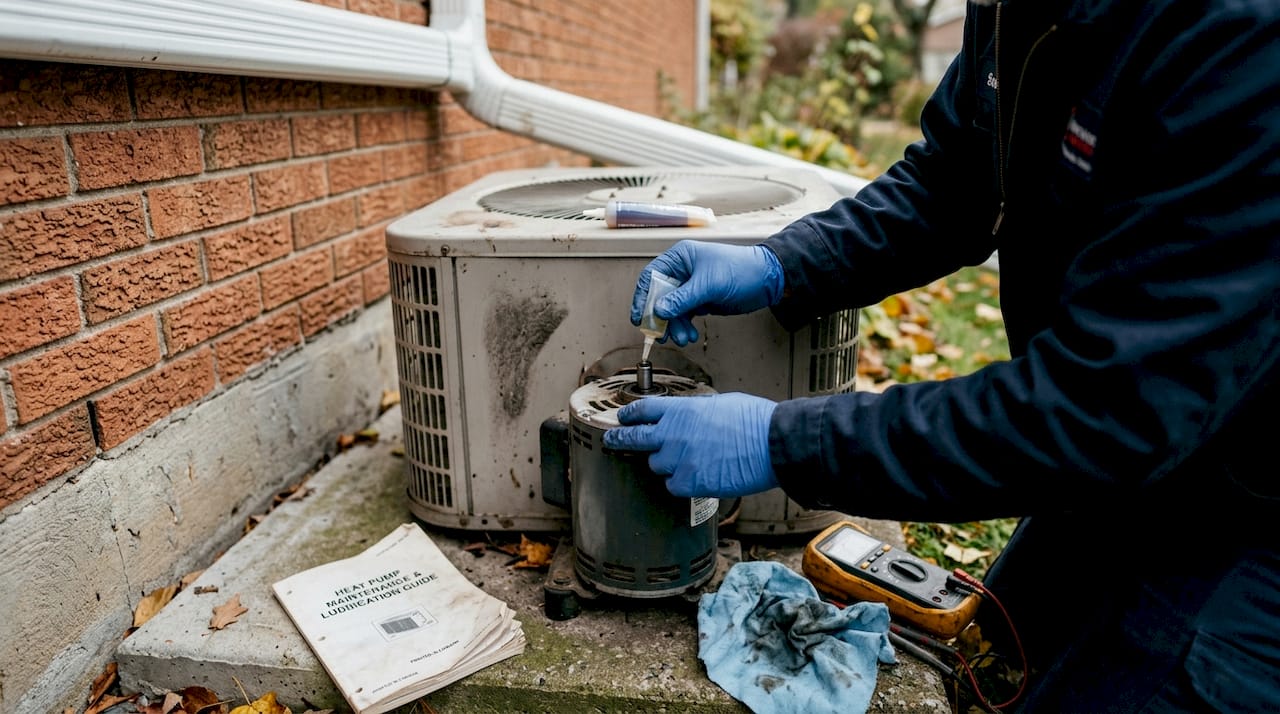
Outdoor fan motors and indoor blowers require annual lubrication and electrical checks. Measure amperage draw against nameplate specifications to detect bearing wear or capacitor degradation. Thermostats and control boards orchestrate system operation, so verify proper communication between components. Filter driers remove moisture and contaminants from refrigerant circuits. Replace these during any refrigerant system work to prevent compressor damage. For detailed maintenance procedures, consult our heat pump maintenance guide.
Comprehensive installation checklist for reliable heat pump setup
Systematic installation verification prevents callbacks and ensures warranty compliance. Begin by confirming all documentation matches equipment specifications and local codes. Verify serial numbers, refrigerant type, electrical requirements, and warranty registration before energising the system.
- Conduct visual inspections of mounting hardware, refrigerant line routing, condensate drainage, and clearances. Check for kinked lines, inadequate support, or potential vibration points.
- Test electrical connections with a multimeter, verifying voltage, amperage, and grounding at the disconnect, contactor, and compressor terminals. Loose connections cause arcing and premature component failure.
- Evacuate refrigerant lines to 500 microns or below, holding vacuum for 30 minutes to confirm system integrity. Charge refrigerant according to manufacturer specifications using superheat or subcooling methods appropriate for the metering device.
- Measure supply and return air temperatures, static pressure across coils, and airflow at registers. Document these baseline values for future comparison.
- Program thermostat settings including temperature differentials, auxiliary heat lockouts, and defrost parameters. Test all modes including emergency heat.
- Run full load tests in heating and cooling modes for at least 30 minutes each, monitoring temperatures, pressures, and electrical draw.
Pro Tip: Take photos of electrical connections, refrigerant line routing, and nameplate data during installation. This visual documentation proves invaluable for troubleshooting and warranty claims.
Our heat pump startup checklist provides detailed commissioning steps for Canadian installations. Understanding typical installation timelines helps schedule follow-up visits and manage client expectations. Professional commissioning procedures ensure systems operate at design specifications from day one.
Maintenance checklist to ensure optimal heat pump performance
Regular maintenance preserves efficiency and extends equipment life. Clean or replace filters monthly during peak usage seasons, as dirty filters reduce airflow by 30% and strain blower motors. Inspect coils quarterly, cleaning with appropriate solutions when dirt accumulation becomes visible. Spring and autumn represent ideal times for thorough coil maintenance before peak heating and cooling demands.
- Check refrigerant charge using superheat or subcooling methods appropriate for the expansion device type
- Inspect electrical connections for corrosion, tightness, and proper wire routing
- Lubricate motor bearings according to manufacturer specifications
- Test defrost controls by observing cycle initiation and termination
- Clear condensate drains and verify proper slope and trap configuration
- Measure suction and discharge pressures, comparing against manufacturer charts for ambient conditions
- Test thermostat calibration and verify proper system response to setpoint changes
- Run system under load in both modes, documenting temperatures and electrical draw
| Maintenance task | Frequency | Impact on efficiency |
|---|---|---|
| Filter replacement | Monthly | Prevents 15-20% capacity loss |
| Coil cleaning | Quarterly | Restores 10-15% efficiency |
| Refrigerant check | Annually | Maintains design capacity |
| Electrical inspection | Annually | Prevents 70% of component failures |
| Defrost testing | Annually | Ensures cold weather performance |
Pro Tip: Schedule maintenance visits during shoulder seasons when technician availability is higher and clients experience minimal disruption. This timing also allows you to address issues before extreme weather stresses systems.
Our detailed maintenance checklist breaks down each task with photos and specifications. Understanding maintenance benefits helps communicate value to clients. Professional manufacturers like Bryant provide comprehensive service protocols that align with industry best practices.
Special considerations and edge cases for heat pump technicians
Cold climate installations demand additional verification steps. Defrost cycles must initiate and terminate properly to prevent ice accumulation that blocks airflow and damages coils. Test defrost controls by monitoring outdoor coil temperature and observing valve switching. Crankcase heaters prevent refrigerant migration during off cycles, protecting compressors from liquid slugging. Verify these heaters energise when outdoor temperatures drop below manufacturer thresholds.
Auxiliary heat lockout settings prevent unnecessary electric resistance heat operation, which costs three times more than heat pump operation. Program lockouts based on local climate data and equipment capacity. In regions with frequent temperature swings, aggressive lockout settings may cause comfort complaints, requiring balance between efficiency and client satisfaction.
- Monitor superheat and subcooling closely in extreme temperatures, as refrigerant charge affects performance differently across operating ranges
- Check for refrigerant leaks at flare fittings and valve cores, which expand and contract with temperature cycling
- Verify proper oil return in cold weather by checking compressor crankcase oil level
- Test emergency heat operation to ensure backup systems function when needed
Mild climate systems face different challenges. Short cycling from oversizing reduces efficiency and comfort. Verify proper thermostat staging and consider adding time delays to prevent rapid cycling. Humidity control becomes critical in moderate temperatures where latent loads dominate. Check condensate production and drainage during low-load operation.
Water-source heat pumps require chemical treatment protocols to prevent scale, corrosion, and biological growth in water loops. Test water quality quarterly and adjust treatment accordingly. Flow rates and pressure drops across heat exchangers indicate fouling or pump degradation. Our troubleshooting guide addresses climate-specific issues with diagnostic flowcharts.
Benchmarking and expert tips to enhance heat pump service quality
Measuring system performance against industry benchmarks identifies improvement opportunities. Coefficient of performance (COP) values quantify heating or cooling output relative to energy input. Modern heat pumps achieve COP values of 2.5-4.0 depending on outdoor temperature and system design. Calculate COP during service visits to track performance degradation over time.
Regular cleaning improves efficiency by up to 15%, while proper maintenance extends system life to 12-20 years compared to 8-12 years for neglected equipment. Compressor efficiency ranges from 80-95% depending on type and condition. Scroll compressors typically outperform reciprocating designs, while variable-speed models maintain higher efficiency across load ranges.
- Document baseline performance metrics including temperatures, pressures, electrical draw, and airflow during commissioning
- Compare current measurements against baseline values to identify gradual degradation
- Use thermal imaging to detect hot spots in electrical connections and refrigerant line restrictions
- Monitor run time and cycle frequency through thermostat data logs or add-on monitors
- Track seasonal energy consumption to verify efficiency improvements after maintenance
Annual professional servicing prevents 90% of breakdowns and maintains warranty coverage. Technicians with proper training and tools complete thorough inspections in 90-120 minutes, addressing issues before they escalate into expensive repairs.
Pro Tip: Create customised maintenance reports for each client showing performance trends, completed tasks, and recommendations. This documentation demonstrates value, supports premium pricing, and builds long-term relationships.
Our efficiency tips translate technical knowledge into client-facing advice. Staying current with efficiency research ensures your recommendations reflect latest industry findings.
How CoolFix supports your heat pump work
Mastering heat pump installation and maintenance requires continuous learning and access to proven workflows. CoolFix provides HVAC professionals and appliance repair technicians with specialised tutorials, diagnostic guides, and maintenance protocols tailored for Canadian climates and codes. Our repair workflow streamlines troubleshooting with decision trees that reduce diagnostic time by 40%.

Optimise your service efficiency with our maintenance workflow designed for technicians who want to deliver consistent, high-quality service. Understanding installation timelines helps you schedule projects efficiently and manage client expectations. Access expert resources that keep you ahead of code changes, equipment innovations, and best practices in heat pump service.
Frequently asked questions
What are the critical heat pump components to check regularly?
Compressor operation, coil cleanliness, and electrical connections require attention at every service visit. Refrigerant charge, defrost controls, and thermostat calibration need annual verification. Filters demand monthly inspection during peak seasons, while condensate drainage requires quarterly checks to prevent water damage.
How often should a professional perform heat pump maintenance?
Annual servicing meets manufacturer warranty requirements and prevents most failures. Systems in harsh climates or high-use applications benefit from bi-annual visits in spring and autumn. Refrigerant work, electrical diagnostics, and control adjustments always require certified technicians with proper tools and training.
What special checks are needed for cold climate installations?
Verify defrost cycle timing and termination to prevent coil icing that reduces capacity by 50%. Test crankcase heaters to protect compressors from liquid refrigerant damage during cold starts. Confirm auxiliary heat lockout settings balance efficiency with adequate heating capacity during extreme cold snaps.
How can technicians detect refrigerant leaks effectively?
Superheat and subcooling measurements reveal charge issues before symptoms become obvious. Readings 5°F outside specifications indicate leaks or restriction problems. Electronic leak detectors, bubble solutions, and ultraviolet dye help locate specific leak points. Proper evacuation and pressure testing during service confirm system integrity and prevent future issues.
Recommended
- Optimized Heat Pump Maintenance Workflow for Technicians – CoolFix Appliance & HVAC Service
- Heat Pump Troubleshooting Guide for Canadian Technicians – CoolFix Appliance & HVAC Service
- Master Heat Pump Repair Workflow for Canadian HVAC Techs – CoolFix Appliance & HVAC Service
- Appliance Repair Heat Pump Guide for Efficient Maintenance – CoolFix Appliance & HVAC Service
0 Comments