
TL;DR:
- Consistent maintenance habits significantly extend heat pump lifespan from 10-15 to 20 years.
- Regular filter changes and professional tune-ups prevent major failures and improve efficiency.
- Proper installation and seasonal outdoor and drainage care are crucial for long-term system performance.
Maintaining a heat pump can feel overwhelming, especially when you’re not sure which tasks actually matter. The truth is, a handful of consistent habits account for the vast majority of the lifespan difference between a system that lasts 20 years and one that fails at 12. You don’t need special tools or technical knowledge to protect your investment. What you do need is a clear, practical framework built around the most impactful actions. This guide walks you through exactly that, covering filter care, professional servicing, thermostat habits, outdoor unit upkeep, and the one factor most maintenance guides completely ignore.
Table of Contents
- Essential habits for heat pump longevity
- Change and clean filters: Your first line of defence
- Professional tune-ups: The maintenance your heat pump can’t live without
- Thermostat and seasonal settings to reduce wear
- Outdoor and drain care: Avoid hidden shutdowns
- What most guides miss about heat pump life: It starts at installation
- Keep your heat pump running: The next step for Canadian homeowners
- Frequently asked questions
Key Takeaways
| Point | Details |
|---|---|
| Regular filter changes | Cleaning or replacing filters every 1–3 months prevents most breakdowns and keeps your heat pump running efficiently. |
| Professional maintenance matters | Annual or semi-annual technician visits catch big problems early and can add years to your system’s life. |
| Thermostat settings protect longevity | Smart thermostat use and preparing for seasonal changes reduce strain and costly failures. |
| Outdoor unit care is critical | Clearing debris and snow and maintaining drains are must-do tasks to avoid hidden shutdowns. |
| Installation quality trumps all | A heat pump installed by reputable pros lasts longer than any DIY or poorly sized job, no matter how well you care for it. |
Essential habits for heat pump longevity
Most heat pump failures don’t happen suddenly. They build slowly over months of small neglect: a filter that’s overdue for a change, an outdoor unit buried in leaves, a defrost cycle that was never tested before winter. The good news is that the same gradual process works in reverse. Small, consistent actions compound into years of reliable performance.
Well-maintained heat pumps last 15 to 20 years, while neglected systems often tap out at 10 to 15. That’s a potential five-year gap in equipment life, which translates directly into thousands of dollars in premature replacement costs. On top of that, 70% of breakdowns stem from airflow issues, and proper maintenance can cut your energy use by 10 to 25%. Understanding why heat pumps fail is the first step toward stopping those failures before they start.
Here are the six core habits that make the biggest difference:
- Change or clean filters every 1 to 3 months to protect airflow and prevent efficiency loss
- Book a professional tune-up at least once a year, ideally in spring and fall
- Clear the condensate drain line seasonally to prevent water backup and mould growth
- Use a heat pump-compatible thermostat and avoid large temperature swings
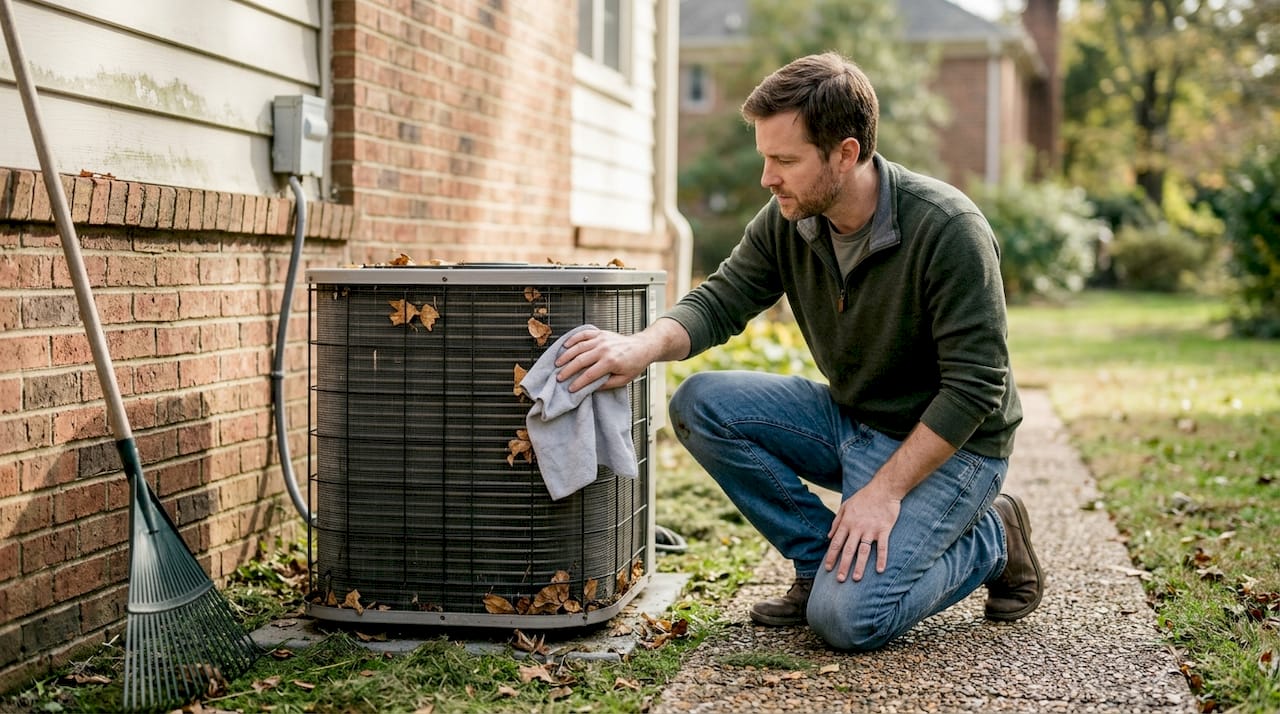
- Keep the outdoor unit clear of leaves, snow, ice, and debris year-round
- Elevate the outdoor unit above typical snowfall levels if you’re in a colder Canadian climate
The routine maintenance benefits go beyond just avoiding breakdowns. A well-tuned system runs quieter, heats and cools more evenly, and costs less to operate every single month. Booking an annual HVAC check is one of the highest-return investments a homeowner can make.
Stat to know: Dirty filters and coils alone can reduce heat pump efficiency by 5 to 40%, depending on how long they’ve been neglected.
Change and clean filters: Your first line of defence
Filter care is the single most accessible maintenance task available to homeowners, and it’s also the one most commonly skipped. A clogged filter forces your heat pump to work harder to pull air through the system, which stresses the blower motor, reduces heating and cooling capacity, and drives up your electricity bill.
Change or clean air filters every 1 to 3 months to maintain proper airflow and prevent efficiency loss. Homes with pets, heavy foot traffic, or dusty environments should lean toward the one-month end of that range. A clean filter takes about five minutes to swap out and costs a few dollars. A failed blower motor costs hundreds.
Here’s a simple filter maintenance routine you can follow:
- Check the filter monthly, even if you don’t replace it every time. Hold it up to the light; if you can’t see light through it, it needs to go.
- Match the MERV rating to your system. MERV 8 to 11 works well for most residential heat pumps.
- Upgrade carefully. High-MERV filters improve air quality but can restrict airflow if not matched to your system’s capacity. Ask a technician to check static pressure if you’re upgrading.
- Write the date on the filter frame when you install it so you always know when it’s due.
- Keep a spare on hand. When you install a new filter, order the next one immediately.
Pro Tip: If you have a ductless mini-split, the washable mesh filters inside the indoor units need rinsing every two to four weeks during heavy-use seasons. These are often forgotten because they’re inside the unit, not in a return duct.
For a full breakdown of what to check and when, the essential heat pump maintenance steps guide covers everything in one place. Pairing consistent filter changes with the other heat pump efficiency tips makes a noticeable difference on your utility bills within the first month. You can also review a heat pump filter schedule to build a calendar that fits your household.
“The filter is the lungs of your heat pump. When it’s blocked, everything downstream suffers.”
Professional tune-ups: The maintenance your heat pump can’t live without
While changing filters is a homeowner’s best defence, some maintenance requires a trained eye and professional tools. Refrigerant levels, electrical connections, coil condition, and blower performance are not things you can assess with a flashlight and a step stool.
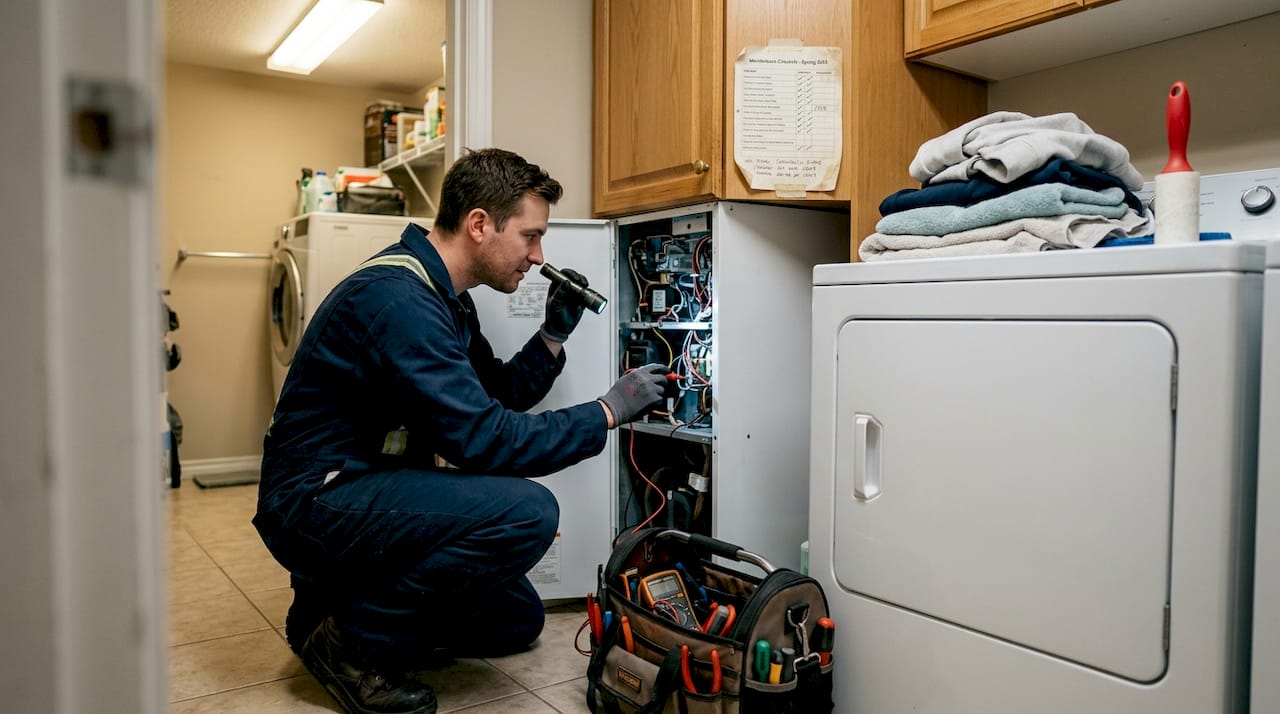
Schedule professional tune-ups annually or biannually, with spring and fall being the ideal timing for Canadian climates. A thorough service visit should include a refrigerant check, electrical inspection, coil cleaning, and a review of all moving parts. This isn’t optional maintenance; it’s what keeps your warranty valid and your system running efficiently.
The numbers make the case clearly. Professional maintenance prevents 90% of service calls and can extend equipment life by 30 to 50%. That’s not a minor gain. For context, here’s how DIY and professional tasks compare:
| Task | DIY or pro? | Frequency |
|---|---|---|
| Filter change or cleaning | DIY | Every 1 to 3 months |
| Outdoor unit debris removal | DIY | Monthly or after storms |
| Condensate drain flush | DIY | Seasonally |
| Refrigerant level check | Pro only | Annually |
| Electrical connection inspection | Pro only | Annually |
| Coil cleaning (deep) | Pro only | Annually |
| Blower motor assessment | Pro only | Annually |
Pro Tip: Book your fall tune-up in August or early September, before HVAC companies get overwhelmed with emergency calls as temperatures drop. You’ll get better scheduling flexibility and often a quicker appointment.
Understanding the heat pump technician workflow helps you know what to expect during a service visit and what questions to ask. A solid repair and maintenance guide can also help you track service history and spot patterns before they become expensive problems. Check the recommended heat pump service intervals to confirm what’s right for your specific system type.
Thermostat and seasonal settings to reduce wear
Just as important as regular maintenance is how you use your heat pump day-to-day. The way you set your thermostat has a direct impact on how hard your compressor and fan work, and how quickly those components wear out.
Avoid large temperature swings, use the auto fan setting rather than continuous fan, and make sure your thermostat is compatible with heat pump operation. Many older thermostats were designed for gas furnaces and don’t communicate correctly with heat pumps, causing unnecessary cycling and compressor stress.
Here’s a quick comparison of thermostat settings and their impact:
| Setting | Better choice | Why it matters |
|---|---|---|
| Fan mode | Auto | Reduces motor wear and humidity issues |
| Temperature swings | 2°C or less | Prevents hard compressor starts |
| Thermostat type | Heat pump-compatible | Avoids incorrect staging and short cycling |
| Setback temperature | Moderate (no more than 4°C) | Gradual recovery is easier on the system |
For Canadian winters specifically, there are two additional steps that most homeowners skip:
- Test the defrost cycle before the first hard freeze. In cold climates, test the defrost cycle pre-winter and confirm the unit is elevated above typical snowfall levels.
- Clear snow from around the outdoor unit after every significant snowfall. Ice buildup on the coils forces the system into extended defrost cycles, reducing efficiency and increasing wear.
Setting up your thermostat correctly from the start is one of the easiest wins available. The thermostat setup tips guide walks through the process step by step, and the seasonal efficiency tips page covers what to adjust as the seasons change.
Outdoor and drain care: Avoid hidden shutdowns
Beyond indoor controls and regular tune-ups, outdoor and drainage issues are often overlooked trouble spots. Your outdoor unit works in every season, which means it faces rain, wind, falling leaves, ice, and snow throughout the year. Ignoring it between service visits is one of the fastest ways to cause a preventable shutdown.
Keep at least 60 centimetres of clearance around the outdoor unit at all times. Shrubs, fencing, and stored items that crowd the unit restrict airflow and force the system to work harder. After any major storm, check for debris lodged in the fins or around the base.
Check and clear the condensate drain at least once per season to prevent water backup, mould growth, and potential damage to your indoor unit. A blocked drain line is a common and completely avoidable cause of water damage.
- Locate the condensate drain line (usually a white PVC pipe near the indoor air handler).
- Flush it with a mix of warm water and a small amount of white vinegar to clear algae and debris.
- Check the drain pan beneath the indoor unit for standing water, which signals a blockage.
- In winter, check that the outdoor unit is elevated and not sitting in accumulated snow or ice.
DIY tasks like debris removal and filter changes prevent most common failures, while refrigerant and electrical work should always be left to a licensed technician. Reviewing the heat pump safety tips before doing any outdoor work keeps you and your equipment protected. The full maintenance checklist ties all of these tasks together in one easy-to-follow reference.
“An outdoor unit buried in snow is not just inefficient. It’s a shutdown waiting to happen.”
What most guides miss about heat pump life: It starts at installation
With maintenance and seasonal use covered, it’s time for a reality check about what truly determines how long your heat pump will last. Here’s the uncomfortable truth: no amount of diligent maintenance can fully compensate for a heat pump that was poorly installed or incorrectly sized from the beginning.
Poor installation shortens equipment life more than age alone. An undersized unit runs constantly trying to meet demand. An oversized one short-cycles, wearing out the compressor prematurely. Improper refrigerant charging at installation causes long-term damage that shows up years later, often after the warranty has expired.
The cheapest installation bid is rarely the best investment. What you’re really buying is the quality of the workmanship, the accuracy of the load calculation, and the long-term support of the contractor. A reputable installer who sizes the system correctly and follows installation best practices gives your maintenance efforts something solid to build on. Without that foundation, you’re maintaining a system that was set up to fail.
When you’re ready to replace or upgrade, choose your installer as carefully as you choose your equipment.
Keep your heat pump running: The next step for Canadian homeowners
Ready to take action and ensure your heat pump investment pays off? The habits covered in this guide work best when they’re part of a broader plan that includes the right equipment, the right installation, and access to expert support when you need it.

At CoolFix, we support Canadian homeowners at every stage, from first installation through years of reliable operation. Whether you’re exploring a heat pump replacement guide to plan your next upgrade, reviewing heat pump installation best practices before committing to a contractor, or simply looking for a trusted team to service your existing system, CoolFix home services has the expertise and resources to help you protect your investment and keep your home comfortable year-round.
Frequently asked questions
How often should I have my heat pump professionally serviced?
Professional servicing is recommended once or twice per year, ideally in spring before the cooling season and in fall before heating season begins.
What’s the fastest way to prevent heat pump breakdowns?
Changing or cleaning air filters every 1 to 3 months stops most airflow-related failures, which account for the majority of heat pump breakdowns.
How much longer will a heat pump last with regular maintenance?
Well-maintained heat pumps average 15 to 20 years, compared to just 10 to 15 years for systems that receive little or no regular care.
Does Canadian winter affect heat pump lifespan?
Yes, snow and ice can block outdoor units and stress the defrost cycle. Elevate your unit and test the defrost cycle each fall to stay ahead of winter damage.
What are signs my heat pump needs attention?
Reduced airflow, unusual noises, ice buildup on the outdoor unit, or a sudden rise in utility bills all signal that airflow or efficiency issues need to be addressed promptly.
Recommended
- Why Repair Appliances – Extending Heat Pump Lifespan – CoolFix Appliance & HVAC Service
- Reasons heat pumps fail and how to prevent breakdowns – CoolFix Appliance & HVAC Service
- Appliance Repair Heat Pump Guide for Efficient Maintenance – CoolFix Appliance & HVAC Service
- Optimized Heat Pump Maintenance Workflow for Technicians – CoolFix Appliance & HVAC Service
- Emergency heating repair: Thames Valley homeowner’s guide
- Annual HVAC inspection boosts efficiency, saves money 2026
0 Comments