
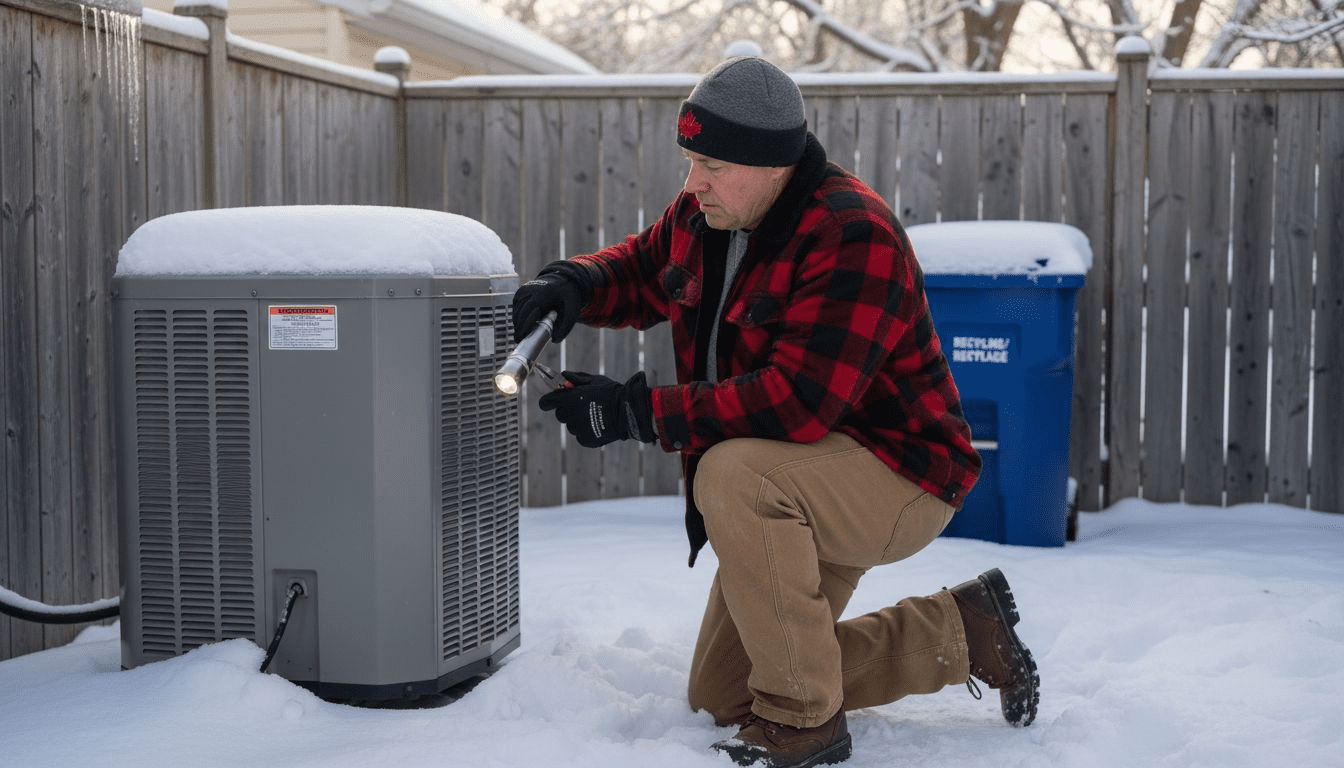
Working on your heat pump can feel intimidating, especially when so much depends on getting maintenance right. A simple mistake during repairs or cleaning can lead to expensive damage or put your safety at risk. The reality is, overlooking the basics—like clearing snow or checking for hidden electrical issues—can create bigger problems down the line.
The good news is that you do not have to guess what steps actually matter for safe and reliable heat pump maintenance. This guide is packed with practical, safety-focused tips that protect both your home and your equipment. From learning why lockout procedures are non-negotiable to knowing what professional technicians check every year, you will gain clear steps you can trust.
By the end, you will know exactly what actions help your heat pump run efficiently all year and spot issues before they become serious. Get ready to discover the most important habits every Canadian homeowner needs for safe, worry-free heat pump performance.
Table of Contents
- 1. Check Power and Circuit Breakers Before Maintenance
- 2. Keep the Area Around Your Heat Pump Clear
- 3. Inspect Electrical Components for Damage
- 4. Test Safety Features Regularly
- 5. Schedule Professional Maintenance Annually
- 6. Follow Manufacturer Guidelines for Repairs
Quick Summary
| Key Insight | Explanation |
|---|---|
| 1. Always Cut Power Before Maintenance | Turn off your heat pump at the circuit breaker to ensure safety and prevent electric shock. |
| 2. Maintain Clearance Around the Unit | Regularly clear debris, snow, and vegetation to allow proper airflow and enhance efficiency. |
| 3. Inspect Electrical Components Regularly | Visually check for damaged wires and connections to prevent electrical hazards and system failures. |
| 4. Test Safety Features Periodically | Regularly verify that all safety features function properly to avoid dangerous conditions during operation. |
| 5. Follow Manufacturer Guidelines for Repairs | Adhere to the manufacturer’s instructions during repairs to ensure safety and maintain warranty protections. |
1. Check Power and Circuit Breakers Before Maintenance
Before you touch a single component on your heat pump, you need to cut power to the entire system. This is not optional—it’s the foundation of safe maintenance work.
Turning off your heat pump at the circuit breaker prevents accidental electric shock and protects you while you work. Think of it like locking a door before you enter a room; you’re creating a secure environment for the task ahead.
Why This Matters
Heat pumps operate on high-voltage electricity. Even when the unit appears off, residual electrical charge can remain in capacitors and other components. A single accidental touch to the wrong wire or contact point could deliver a serious shock.
Lockout procedures for de-energisation are critical to safely performing maintenance by ensuring energy-isolating devices like circuit breakers are turned off and locked to prevent accidental re-energising. This simple step protects you by securing breakers and controls prior to any work on your equipment.
Steps to Take Before Starting
- Locate your electrical panel and identify the breaker controlling your heat pump
- Switch the breaker to the OFF position
- Test the system to confirm power is disconnected (the unit should not respond)
- Consider placing a clear label on the breaker noting maintenance is in progress
- Wait a few minutes before beginning work to allow any residual charge to dissipate
Cutting power at the circuit breaker is your first and most important safety action—every single time you perform maintenance.
Canadian homes often have multiple circuit breakers, so double-check you’ve switched the correct one. Some heat pump systems may have more than one breaker controlling different components. Verify by attempting to turn on the unit; if it doesn’t respond, you’ve isolated the right breaker.
After completing your maintenance work, don’t flip the breaker back on immediately. Give the system a few minutes, then test by switching the thermostat on to confirm everything powers up normally.
Pro tip: Take a photo of your electrical panel with your heat pump breaker clearly visible and keep it on your phone—this saves time if you need to perform emergency maintenance later.
2. Keep the Area Around Your Heat Pump Clear
Your heat pump’s outdoor unit needs breathing room to function properly. Debris, snow, vegetation, and other obstacles create serious problems that damage your system and waste energy.
Think of your heat pump like a person trying to breathe through a blocked nose. When air can’t flow freely around the unit, everything works harder and less efficiently. This strain leads to reduced performance, higher bills, and potential damage.
Why Clearance Matters for Safety and Efficiency
Your heat pump exchanges heat with outdoor air, so it needs unobstructed access to that air. When vegetation grows too close or snow accumulates around the unit, proper air circulation becomes impossible.
Blockages reduce system efficiency, cause the unit to overheat or freeze, and can lead to costly repairs. In Canadian winters, snow buildup is particularly dangerous because it can damage refrigerant lines and prevent the unit from operating correctly.
What to Clear and How Often
Maintaining a clear area around your heat pump is straightforward work that takes just a few minutes each month.
- Remove leaves, twigs, and branches that fall on or near the outdoor unit
- Clear snow and ice from around the unit, especially after winter storms
- Trim shrubs and trees so they stay at least one metre away from all sides
- Remove grass clippings and garden debris that could be drawn into the intake vents
- Keep pet bedding, storage items, and other objects away from the unit
Checking monthly during autumn and winter prevents buildup before it becomes a problem. In spring and summer, inspect after storms or windy weather.
A clear zone around your heat pump reduces strain, improves efficiency, and prevents freezing or overheating issues that compromise safety.
Canadian homeowners often underestimate how much snow can accumulate around their units during a single heavy snowfall. After major winter storms, take time to carefully remove snow blocking the intake and exhaust vents. Never use a snow blower directly on the unit, as this can damage delicate components.
Pro tip: Install wire mesh or protective screening around your heat pump to keep leaves and debris out while still allowing air to flow, then you’ll have fewer cleaning sessions during autumn.
3. Inspect Electrical Components for Damage
Electrical components are the nervous system of your heat pump. Damaged wires, corroded connections, or burned terminals create safety hazards and system failures.
Before you perform any maintenance work, visually inspect all exposed electrical components for signs of wear or damage. This quick safety check takes just a few minutes and could prevent dangerous situations.
What Damage Looks Like
You don’t need to be an electrician to spot obvious electrical problems. Visible damage tells you to stop work immediately and call a professional.
Common warning signs include:
- Frayed, cracked, or melted wire insulation
- Burn marks, scorching, or discolouration on terminals or connections
- Corrosion appearing as green, white, or blue deposits on metal contacts
- Loose or disconnected wires hanging from terminals
- Water pooling near electrical connections or junction boxes
- A burning smell coming from the electrical panel or outdoor unit
Why These Inspections Matter
Damaged electrical components create fire risks, electric shock hazards, and system breakdowns. Moisture exposure accelerates corrosion, especially in Canadian climates where humidity and temperature fluctuations are constant.
Corrosion weakens connections, causing voltage drops that force your heat pump to work inefficiently. Over time, this leads to complete failure and expensive repairs or replacement.
Damaged electrical components are non-negotiable reasons to stop work and contact a professional technician immediately.
Your Inspection Checklist
Perform these checks with power disconnected at the circuit breaker for your safety:
- Look at wire insulation along visible runs from the outdoor unit to your electrical panel
- Examine terminal blocks and connection points for corrosion or discolouration
- Check for moisture or condensation inside electrical enclosures
- Verify all wires are securely seated in their terminals
- Look for any evidence of rodent damage, such as chewed wire insulation
- Confirm no wires are pinched, crushed, or rubbing against sharp edges
If you spot any damage during your inspection, do not attempt repairs yourself. Electrical work on heat pump systems requires licenced technicians who understand building codes and safety standards.
Pro tip: Take clear photos of your electrical connections when everything looks normal, so you have a reference point to compare against if you notice changes during future inspections.
4. Test Safety Features Regularly
Your heat pump contains multiple safety features designed to prevent dangerous conditions. These features only protect you if they’re actually working, which is why regular testing is non-negotiable.
Think of safety features like the airbags in your car. They’re only useful if they deploy correctly when needed. Testing ensures your heat pump’s safety systems will respond properly during real emergencies.
Understanding Your Safety Systems
Heat pumps have several critical safety components that work together to prevent damage and hazards. Each one serves a specific purpose in protecting your home and family.
Pressure switches monitor refrigerant pressure and shut down the system if levels become dangerously high or low. Thermostats regulate temperature and prevent overheating. Reversing valves enable your system to switch between heating and cooling modes safely.
When these components malfunction, your heat pump can overheat, freeze, or fail to respond to temperature changes. Regular testing during annual maintenance inspections catches problems early before they become dangerous.
Why Regular Testing Matters
Safety features degrade over time due to wear, corrosion, and electrical stress. What worked perfectly last year may be failing this year without you realising it.
Caught early, a failing safety feature costs less to replace than dealing with a complete system breakdown or a dangerous situation. Testing also gives you confidence that your heat pump will operate safely during the heating season when you need it most.
What Gets Tested
A proper safety feature test includes:
- Verifying pressure switches respond correctly to high and low refrigerant conditions
- Confirming thermostats accurately read and respond to temperature changes
- Testing reversing valve operation to ensure smooth heating and cooling transitions
- Checking all safety interlocks and shutdown mechanisms
- Verifying electrical safety switches respond to abnormal conditions
Regular testing of safety features catches malfunctions early and reduces risks of safety failures or system inefficiency.
Canadian winters place extra stress on heat pump safety systems. Cold temperatures make pressure switches more sensitive and reversing valves work harder. Testing before winter ensures everything performs reliably when demands are highest.
Pro tip: Schedule your annual safety feature testing in late autumn before heating season begins, so any problems can be fixed before you depend on your heat pump during cold weather.
5. Schedule Professional Maintenance Annually
No amount of your own inspection work replaces a professional tune-up. Annual maintenance by a qualified technician keeps your heat pump running safely, efficiently, and reliably for years to come.
Think of professional maintenance like taking your car to a mechanic. You can check the oil yourself, but a technician catches problems you’d never spot and has the tools to fix them properly.
What Professional Technicians Do
Annual professional inspections include checks that require specialised equipment and expertise. Technicians examine refrigerant levels, test all mechanical components, and verify electrical systems are functioning correctly.
They can identify emerging issues before they become major failures. A small leak discovered during maintenance costs far less to repair than waiting until your system stops working in January.
Why Annual Schedules Matter
Heat pumps work harder during Canadian winters and summers. Seasonal stress on components accumulates over time, making regular check-ups essential for safety and efficiency.
Scheduling maintenance at the same time each year creates a predictable routine. Most homeowners choose late autumn before heating season or early spring before cooling demands increase.
What Gets Checked During Professional Maintenance
A complete professional maintenance visit covers:
- Refrigerant charge verification and adjustment if needed
- Mechanical component lubrication and adjustment
- Electrical system testing and safety verification
- Condenser and evaporator coil cleaning
- Air filter inspection and replacement
- Thermostat calibration and responsiveness testing
- Reversing valve operation confirmation
- All safety features functionality testing
Skilled technicians identify and fix emerging issues to maintain your heat pump’s efficiency, safety, and longevity.
Canadian homes benefit especially from professional maintenance because harsh winters and temperature swings create unique stresses on heat pump systems. Technicians familiar with Canadian climate conditions understand these pressures and can recommend adjustments specific to your region.
During your appointment, ask the technician to show you any areas needing attention and explain what they found. This education helps you understand your system better and catch problems between visits.
Pro tip: Schedule your annual maintenance appointment in August or September for autumn installation, ensuring everything is ready before you rely heavily on heating during winter months.
6. Follow Manufacturer Guidelines for Repairs
Your heat pump came with detailed instructions for a reason. Manufacturer guidelines protect your safety, preserve your warranty, and ensure repairs are done correctly the first time.
Ignoring these guidelines is like following a recipe from a different cookbook when you’re supposed to follow a specific one. The results might look similar, but they won’t work the same way.
Why Manufacturer Guidelines Matter
Heat pump manufacturers spend years testing their equipment and developing safe repair procedures. These guidelines reflect real-world experience and rigorous safety testing specific to your model.
When you deviate from manufacturer instructions, you risk damaging components, creating safety hazards, and voiding your warranty. A repair that seems simple might have hidden complexities that only the manufacturer’s documentation covers.
Warranty Protection and Compliance
Following manufacturer instructions for repairs is critical to ensure safety, maintain warranty coverage, and keep your system operating efficiently. Most warranties explicitly require that repairs follow the manufacturer’s specifications.
If you make an unauthorised repair and the system fails later, the manufacturer can deny your warranty claim. This means paying full price for expensive replacements that would otherwise be covered.
What Guidelines Cover
Manufacturer documentation specifies:
- Approved replacement parts and their exact specifications
- Proper refrigerant types, quantities, and handling procedures
- Electrical connection requirements and safety protocols
- Torque specifications for bolts and fasteners
- Pressure and temperature operating ranges
- Specific tools required for different repairs
- Maintenance intervals and procedures
- Safety precautions unique to your model
Improper repairs can lead to damage or safety hazards, so adhering to manufacturer specifications safeguards your investment.
Manufacturer guidelines provide specific recommendations for servicing parts and technical procedures that ensure compliance with safety standards.
Keep your original documentation in an accessible place. If you’ve lost it, contact the manufacturer directly or check their website for downloadable copies. Most manufacturers provide manuals online for free.
When hiring a repair technician, confirm they’re familiar with your specific model and agree to follow manufacturer guidelines. Professional technicians always have access to up-to-date documentation and understand why these specifications matter.
Pro tip: Take photos of your heat pump’s model and serial number information, then email yourself copies so you can quickly reference manufacturer details when you need repair guidance.
Below is a comprehensive table summarizing the main strategies and maintenance steps for ensuring safe and efficient operation of a heat pump as outlined in the article.
| Topic | Key Details | Benefits/Recommendations |
|---|---|---|
| Cutting Power for Safety | Switch off the heat pump at the circuit breaker, check power disconnection. | Prevents electrical hazards and ensures a secure environment for maintenance work. |
| Clearing Heat Pump Area | Remove debris, snow, and nearby vegetation monthly. | Improves system efficiency and reduces risk of damage or strain to the unit. |
| Inspecting Electrical Components | Check wires, terminals, for damage or corrosion; stop if issues are found. | Avoids fire risks and system breakdowns while ensuring safe operational integrity. |
| Testing Safety Features | Verify pressure switches, thermostats, and reversing valves’ functions. | Ensures reliability and preparedness for high-demand seasons. |
| Annual Professional Maintenance | Hire skilled technicians to inspect and maintain the heat pump. | Prolongs equipment lifespan, boosts efficiency, and identifies early-stage issues. |
| Following Manufacturer Guidelines | Use specified procedures and resources for repairs. | Maintains warranty, ensures effective repairs, and avoids safety risks. |
Protect Your Canadian Home with Expert Heat Pump Services Today
Maintaining the safety and efficiency of your heat pump is essential for every Canadian homeowner. From checking circuit breakers to scheduling annual professional maintenance, avoiding costly repairs and safety hazards starts with the right support. If you want peace of mind and expert care for your heat pump, turn to trusted professionals who understand Canadian climate challenges and follow manufacturer guidelines precisely.

Stay ahead of issues like damaged electrical components or blocked airflow by choosing heat pump installation and appliance repair services you can rely on. Act now to safeguard your home and comfort through the cold months. Visit CoolFix and let our experienced technicians help keep your heat pump safe, efficient, and running strong year-round.
Frequently Asked Questions
What safety steps should I take before performing maintenance on my heat pump?
Before working on your heat pump, always cut power at the circuit breaker. Locate the breaker for your heat pump and switch it to the OFF position to prevent electric shock.
How can I determine if my heat pump’s electrical components are damaged?
Inspect electrical components for visible signs like frayed wires, burn marks, or corrosion. If you find any damage, stop work immediately and contact a professional technician.
What should I do to maintain proper airflow around my heat pump?
Keep the area around your heat pump clear of debris, snow, and vegetation. Check monthly during peak seasons to ensure that nothing blocks vents, allowing for optimal airflow and efficiency.
How often should I have professional maintenance done on my heat pump?
Schedule professional maintenance annually to ensure your heat pump is running safely and efficiently. Aim for a visit in late autumn or early spring to prepare for seasonal demands.
How do I test my heat pump’s safety features?
Regularly test safety features like pressure switches and thermostats to ensure they function correctly. Perform these tests during your annual maintenance to catch any issues early.
Why is it important to follow manufacturer guidelines for repairs?
Following manufacturer guidelines helps ensure repairs maintain safety and do not void your warranty. Always refer to your manufacturer’s documentation to understand proper procedures and specifications.
Recommended
- 7 Heat Pump Efficiency Tips for Canadian Homeowners – CoolFix Appliance & HVAC Service
- 7 Signs Your Heat Pump Needs Repair Before Winter Hits – CoolFix Appliance & HVAC Service
- Benefits of Heat Pump Repair for Canadian Homes – CoolFix Appliance & HVAC Service
- 7 Best Practices for Heat Pump Repair in Canada – CoolFix Appliance & HVAC Service
0 Comments