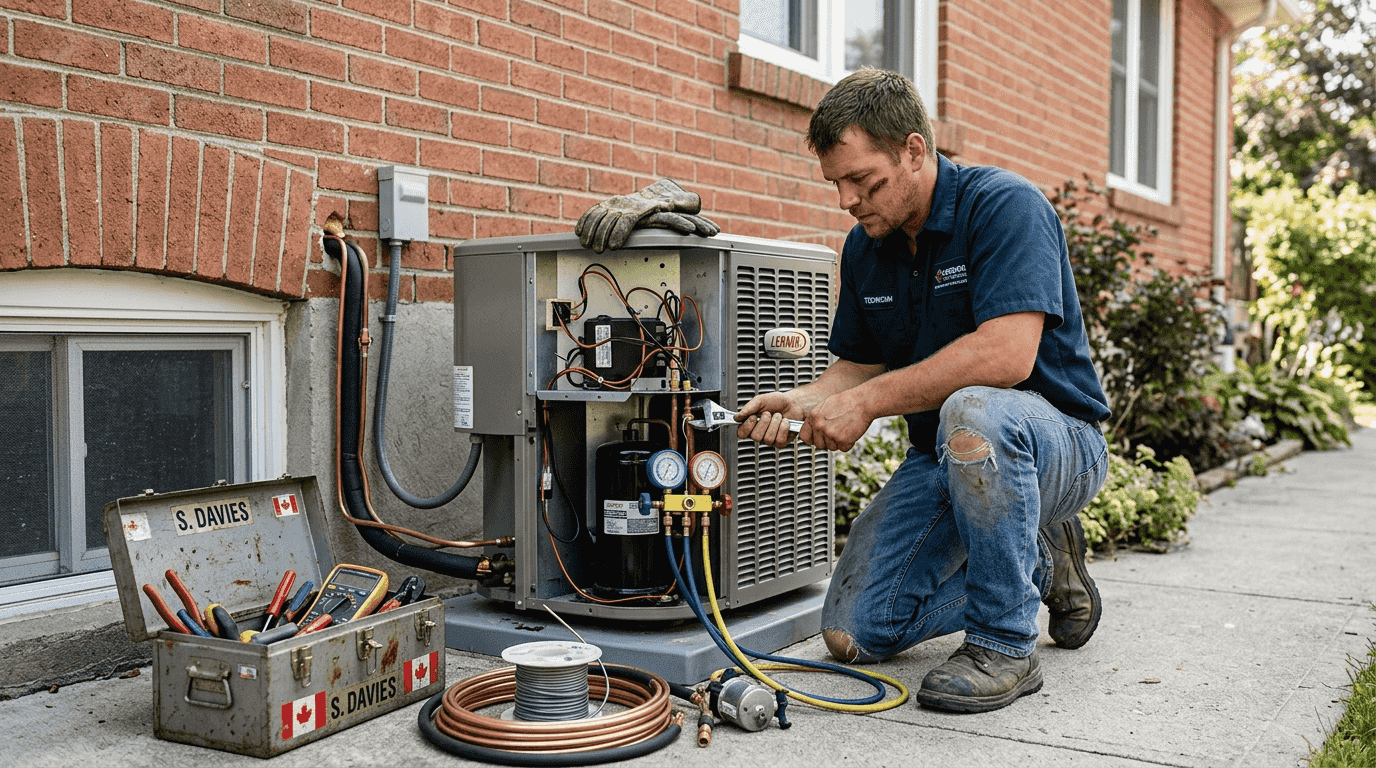
Heat pumps promise efficient heating and cooling, yet many systems break or stop working within their first decade. The culprits are often avoidable installation errors, refrigerant leaks, and neglected maintenance. Understanding why heat pumps fail and how to prevent these issues helps you protect your investment and maintain reliable comfort year round.
Table of Contents
- Common Installation Problems Causing Heat Pump Failure
- Major Technical Failures Of Heat Pumps And Their Causes
- The Critical Role Of Maintenance In Extending Heat Pump Lifespan
- Choosing Heat Pumps And Backup Solutions For Reliability In Cold Climates
- How CoolFix Can Help With Your Heat Pump Needs
Key takeaways
| Point | Details |
|---|---|
| Installation quality matters | Improper installation causes up to 40% of early failures. |
| Technical failures are common | Refrigerant leaks, compressor issues, and electrical faults degrade performance. |
| Maintenance extends lifespan | Regular upkeep adds 5-10 years to system life. |
| Cold climate models exist | Advanced units maintain efficiency to -26°C. |
| Professional service is essential | Certified installers and technicians prevent costly breakdowns. |
Common installation problems causing heat pump failure
Installation errors are a leading cause of heat pump failures. Heat pump failures often stem from installation problems, which are surprisingly common in the industry. When technicians rush jobs or lack proper training, systems suffer from day one.
Improper installation accounts for up to 40% of heat pump failures within the first five years. These errors manifest in several ways:
- Incorrect refrigerant charging that reduces efficiency and strains the compressor
- Faulty electrical connections that cause control board failures and safety trips
- Poor ductwork design that creates airflow restrictions and uneven heating
- Improper sizing that forces the system to cycle too frequently or run continuously
- Inadequate drainage that leads to water damage and frozen coils
Incorrect sizing is particularly damaging. An oversised unit cycles on and off rapidly, wearing out the compressor and control components. An undersised system runs constantly, never reaching set temperatures while consuming excessive energy. Both scenarios dramatically shorten equipment life.
Poor installation also causes early compressor failure, the most expensive component to replace. Incorrect refrigerant levels force compressors to work harder, generating excess heat and accelerating wear. Installation quality plays an outsized role in whether systems perform well over time.
Faulty wiring introduces another layer of risk. Loose connections create electrical resistance that generates heat, potentially causing fires or tripping breakers. Improper grounding puts your family at risk of electrical shock.
Pro Tip: Verify that your installer is certified by manufacturers and follows all installation guidelines. Ask to see credentials and request a detailed installation checklist before work begins. Understanding how to avoid wiring errors during installation protects your investment.
Planning your project properly helps ensure quality work. Review typical heat pump installation timelines to understand what professional installation involves and set realistic expectations.
Major technical failures of heat pumps and their causes
Even properly installed heat pumps face mechanical and electrical failures over time. Understanding these issues helps you recognise problems early and seek professional help before minor faults become major expenses.
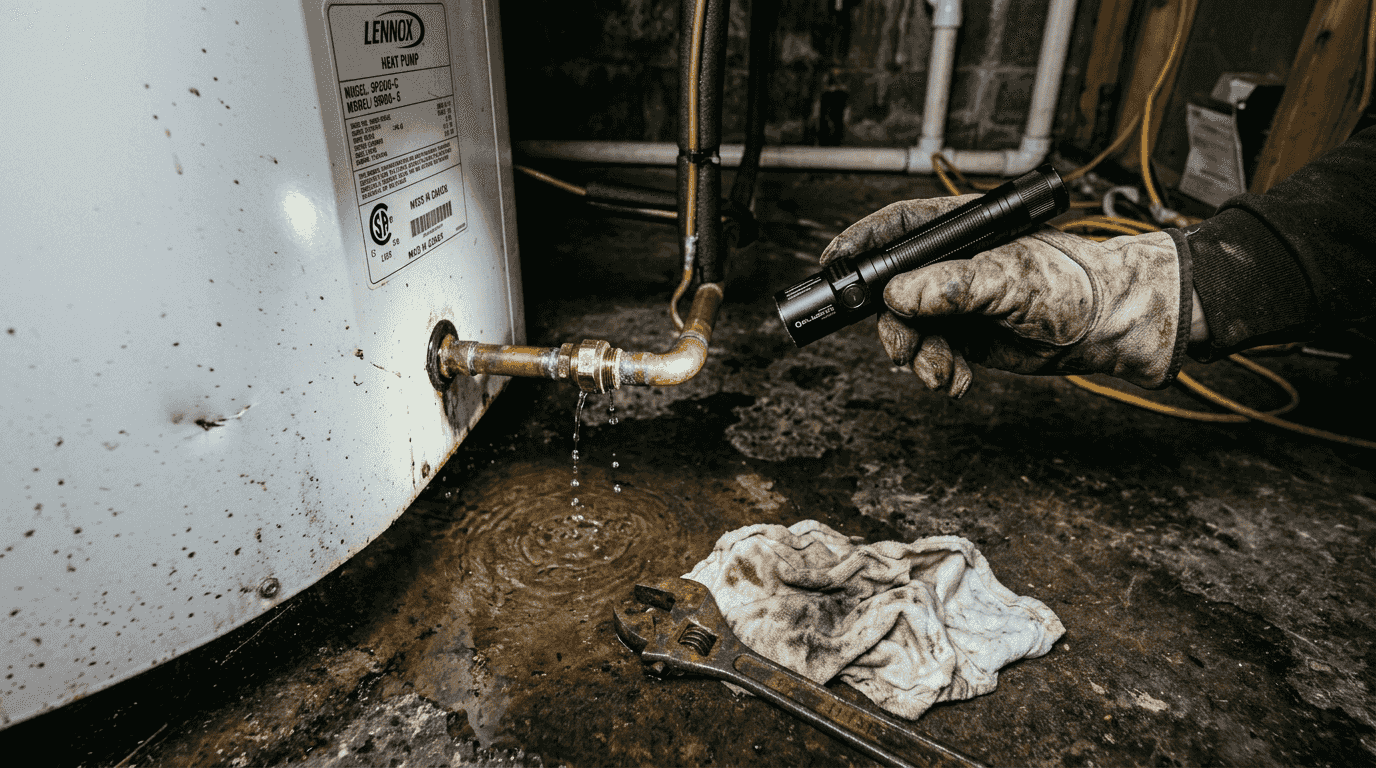
Refrigerant leaks represent a significant failure mode. Refrigerant leaks account for approximately 20% of heat pump failures. These leaks typically occur at brazed joints where vibration and thermal expansion create stress. Small leaks gradually reduce system charge, forcing the compressor to work harder. Refrigerant leaks impair efficiency and can cause compressor damage due to insufficient lubrication and overheating.
Compressor failures follow close behind, causing approximately 15% of breakdowns. Compressors fail when contamination enters the refrigerant system, electrical surges damage windings, or overheating weakens internal components. Once a compressor fails, replacement often costs as much as a new system.
Electrical issues cause roughly 25% of failures. Electrical failures often stem from faulty wiring, capacitor issues, or control board malfunctions. Capacitors store energy to start motors and maintain operation. When they fail, motors struggle to start or run inefficiently. Control boards manage system operation and fail when exposed to electrical surges, moisture, or simply age.
| Failure Type | Primary Causes | Performance Impact |
|---|---|---|
| Refrigerant leaks | Vibration, thermal stress, corrosion | Reduced heating/cooling, compressor damage |
| Compressor failure | Contamination, electrical surges, overheating | Complete system shutdown |
| Electrical faults | Wiring issues, capacitor failure, control board defects | Intermittent operation, safety trips |
| Coil degradation | Corrosion, debris accumulation | Decreased efficiency, frozen coils |
Pro Tip: Strange noises like grinding or squealing signal mechanical problems requiring immediate attention. Catching issues early through professional inspection prevents catastrophic failures. Learn more about addressing heat pump refrigerant leaks before they cause extensive damage.
Following best practices for repairs ensures technicians diagnose and fix problems correctly the first time, avoiding repeated service calls and escalating costs.
The critical role of maintenance in extending heat pump lifespan
Regular maintenance prevents most failures and dramatically extends system life. Regular maintenance can extend the lifespan of a heat pump by 5 to 10 years. This maintenance involves both homeowner tasks and professional service.
Homeowners can perform several maintenance tasks between professional visits:
- Replace air filters every one to three months depending on usage and indoor air quality to maintain proper airflow
- Keep outdoor units clear of leaves, snow, and debris that restrict airflow and reduce efficiency
- Clean indoor vents and registers to ensure unrestricted air distribution throughout your home
- Check thermostat settings and batteries to prevent control issues that mimic mechanical failures
- Inspect outdoor units for ice buildup during winter and clear drainage paths
- Listen for unusual sounds like grinding, squealing, or rattling that indicate developing problems
- Monitor energy bills for sudden increases that suggest declining efficiency
Professional maintenance addresses components homeowners cannot safely service. Routine coil cleaning and filter replacement prevent many common issues. Technicians check refrigerant levels, test electrical connections, calibrate controls, and clean coils with specialised equipment.
Annual professional service typically includes:
- Refrigerant level verification and leak detection
- Electrical connection inspection and tightening
- Capacitor and contactor testing
- Airflow measurement and duct inspection
- Thermostat calibration and control testing
- Condensate drain clearing
- Lubrication of motors and bearings
This comprehensive approach catches small problems before they cascade into expensive failures. A loose electrical connection tightened during maintenance prevents a control board failure months later. A small refrigerant leak sealed early avoids compressor damage.
Maintenance also preserves efficiency. Dirty coils reduce heat transfer, forcing systems to run longer to achieve desired temperatures. Clean coils restore factory efficiency, reducing energy consumption and utility bills.
Schedule professional service before heating season begins in autumn and again before cooling season starts in spring. This timing ensures your system operates reliably when you need it most. Review our detailed maintenance guide for comprehensive service recommendations.
Following our maintenance checklist helps you track tasks and ensure nothing gets overlooked. Understanding why routine maintenance matters motivates consistent care that protects your investment.
Choosing heat pumps and backup solutions for reliability in cold climates
Selecting the right equipment prevents failures in Canadian winters. Not all heat pumps handle extreme cold equally well, and backup systems provide insurance against the coldest nights.
Air source heat pumps cost less initially but face challenges in extreme cold. Geothermal systems cost more upfront but deliver consistent performance regardless of outdoor temperature. Some advanced heat pumps maintain efficiency down to -26°C.
| Feature | Air Source Heat Pump | Geothermal Heat Pump |
|---|---|---|
| Initial cost | £3,000 to £8,000 | £10,000 to £25,000 |
| Operating efficiency | Decreases in extreme cold | Consistent year round |
| Lifespan | 10 to 15 years | 20 to 25 years |
| Maintenance needs | Moderate | Lower |
| Cold weather performance | Reduced below -15°C | Unaffected by temperature |
Backup systems prevent overworking your heat pump on the coldest days. Independent organisations recommend backup systems for the coldest days to prevent overworking heat pumps. Common backup options include:
- Dual fuel systems that switch to a furnace when outdoor temperatures drop below a set point
- Electric resistance heating that supplements heat pump output during extreme cold
- Wood stoves or fireplaces that reduce load on the primary system
- Zoned heating that concentrates heat pump capacity where needed most
Choosing a model rated for low temperatures reduces failure risk. Look for units with variable speed compressors that adjust output to match demand, reducing cycling stress. Enhanced vapour injection technology allows some models to maintain full capacity even in extreme cold.
Proper sizing remains crucial. Oversising wastes money and creates cycling problems. Undersising forces constant operation that wears components. Professional load calculations account for your home’s insulation, air sealing, window efficiency, and local climate.
Learn how to maximise durability through proper equipment selection and operation. Understanding why upgrading makes sense helps you evaluate options and make informed decisions.
How CoolFix can help with your heat pump needs
Preventing heat pump failures requires expertise at every stage. CoolFix provides professional installation that eliminates the common errors causing early system breakdowns. Our certified technicians follow manufacturer specifications precisely, ensuring proper sizing, refrigerant charging, and electrical connections from day one.

When problems develop, our repair specialists diagnose and fix issues correctly the first time. We address refrigerant leaks, electrical faults, and mechanical failures using proper tools and genuine parts. Our maintenance programmes keep your system running efficiently year after year, catching small issues before they become expensive emergencies.
Whether you need guidance on heat pump replacement, want to understand realistic installation timelines, or need ongoing maintenance support, CoolFix delivers the expertise that protects your investment. Contact us to discuss your heat pump needs and ensure reliable comfort in your home.
FAQ
How long do heat pumps typically last?
Heat pumps generally last 10 to 15 years with proper maintenance, though 29% of heat pumps broke or stopped working by the eighth year according to reliability data. Professional installation and annual maintenance significantly extend lifespan. Systems in harsh climates or those running constantly face shorter lifespans. Learn strategies for maximising durability to get the most from your investment.
Can heat pumps work reliably in Canada’s cold climate?
Modern cold climate heat pumps perform well in Canadian winters. Systems can operate efficiently down to -26°C, though backup heating helps on the coldest days. Variable speed compressors and enhanced vapour injection maintain capacity in extreme cold. Proper model selection and professional installation ensure reliable performance. Discover why upgrading makes sense for Canadian homeowners seeking efficient heating solutions.
What maintenance should I perform to avoid heat pump failure?
Replace air filters monthly during heavy use and quarterly otherwise to maintain airflow. Keep outdoor coils clean by removing debris, snow, and vegetation within two feet of the unit. Schedule annual professional inspections to check refrigerant levels, test electrical components, and clean coils thoroughly. Monitor for unusual sounds or performance changes that signal developing problems. Follow our maintenance checklist for comprehensive care guidelines.
What are early warning signs of heat pump failure?
Watch for unusual sounds like grinding, squealing, or rattling that indicate mechanical problems. Notice if heating or cooling capacity decreases or the system cycles frequently. Ice buildup on outdoor coils in moderate weather signals refrigerant or airflow issues. Rising energy bills without increased usage suggest declining efficiency. Strange odours, particularly burning smells, require immediate professional attention to prevent safety hazards.
Should I repair or replace a failing heat pump?
Repair makes sense for systems under 10 years old when repair costs less than half the replacement price. Replace units over 12 years old, especially if repairs exceed £1,500 or refrigerant needs replacing. Consider replacement if efficiency has declined significantly or repairs become frequent. Modern systems offer better efficiency and reliability than older models, often justifying replacement even for repairable failures in ageing equipment.
Recommended
- 7 Signs Your Heat Pump Needs Repair Before Winter Hits – CoolFix Appliance & HVAC Service
- How to Repair Heat Pump Leaks for Reliable Results – CoolFix Appliance & HVAC Service
- Why Repair Appliances – Extending Heat Pump Lifespan – CoolFix Appliance & HVAC Service
- Appliance Repair Heat Pump Guide for Efficient Maintenance – CoolFix Appliance & HVAC Service
0 Comments