
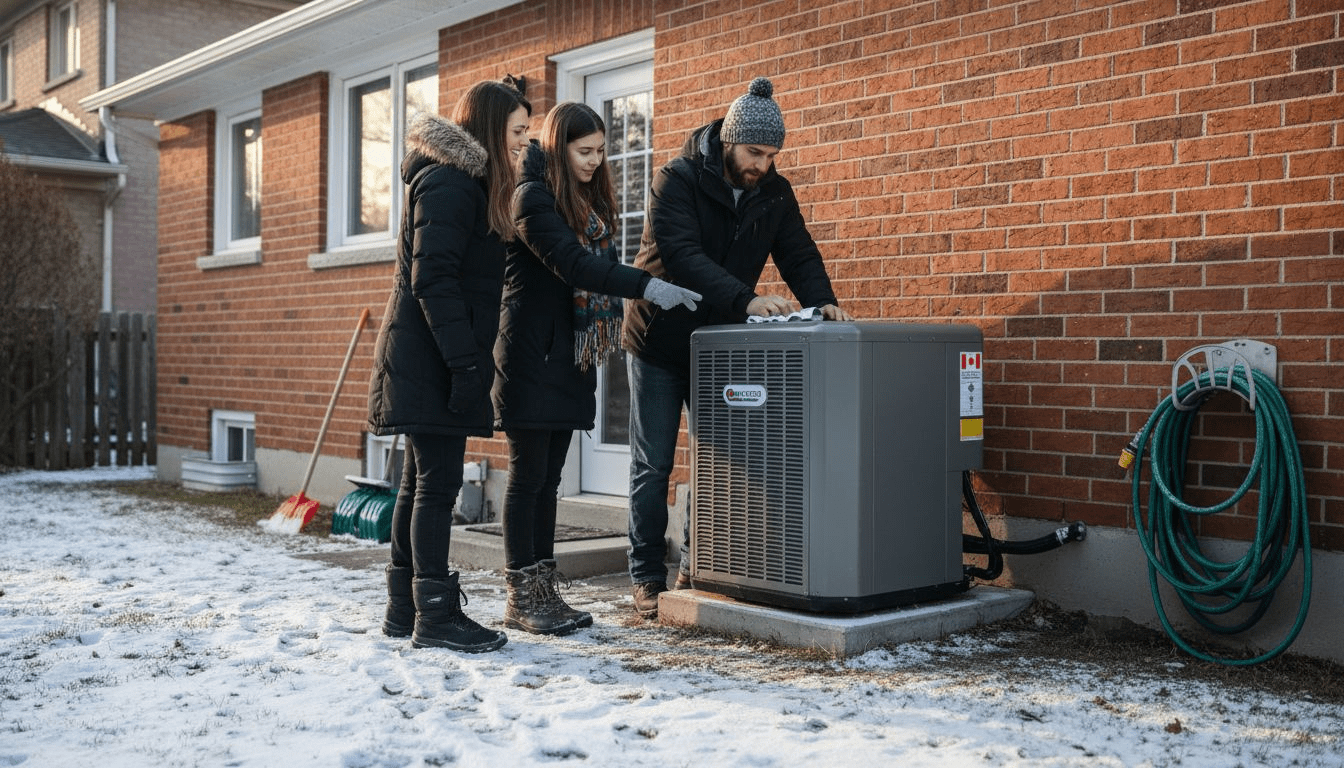
Modern heat pumps can last up to 20 years in Canadian homes when properly maintained, far exceeding many homeowners’ expectations. Understanding what influences durability helps you maximise your heating investment while enjoying reliable year-round comfort. This guide explores lifespan factors, maintenance practices, and replacement signals tailored for Canada’s unique climate challenges.
Table of Contents
- Introduction To Heat Pump Lifespan
- Factors Affecting Heat Pump Longevity
- Cold Climate Heat Pumps And Longevity
- Maintenance For Extending Heat Pump Lifespan
- Heat Pump Types And Lifespan Comparison
- Common Misconceptions About Heat Pump Lifespan
- Recognising End Of Life And Replacement Signals
- Technological Advancements And Their Impact On Lifespan
- Summary And Practical Takeaways For Homeowners
- Explore Expert Heat Pump Services At Coolfix
- Frequently Asked Questions
Key takeaways
| Point | Details |
|---|---|
| Average lifespan ranges from 10 to 20 years based on system and care | Air-source models typically last 10-15 years, while geothermal systems can reach 20 years with proper maintenance. |
| Proper installation and maintenance significantly extend durability | Professional setup and annual servicing can add 2-5 years to your heat pump’s operational life. |
| Cold-climate models are designed for Canadian winters enhancing reliability | Advanced compressors and defrost cycles ensure performance down to -30°C, reducing failure rates. |
| Watch energy use and repairs to know when replacement is needed | Rising bills and frequent breakdowns signal declining efficiency and approaching end of life. |
| Technological advances in 2026 improve efficiency and lifespan | New refrigerants and smart controls enhance durability whilst reducing environmental impact. |
Introduction to heat pump lifespan
Heat pumps offer heating and cooling in one system, operating year-round in Canadian homes. Heat pumps typically last 10-20 years depending on system type, with air-source models averaging 10-15 years, ductless mini-splits 12-15 years, and ground-source systems 15-20 years. Understanding these ranges helps you budget for replacement and choose equipment matching your long-term needs.
Lifespan isn’t fixed. It depends on multiple interacting factors including climate severity, installation quality, maintenance discipline, and usage intensity. A poorly installed system in a harsh environment may fail in 8 years, whilst a premium model with diligent care can exceed 20 years. Recognising these variables empowers you to influence durability through informed decisions.
Proper sizing is critical from day one. An oversized unit cycles on and off frequently, wearing components prematurely. An undersized system runs constantly, straining the compressor and reducing lifespan. Professional load calculations during installation ensure your heat pump matches your home’s heating and cooling demands precisely.
Key lifespan factors include:
- Installation quality and initial system sizing
- Climate conditions and seasonal temperature extremes
- Maintenance frequency and thoroughness
- Operational intensity and usage patterns
- Component quality and technological sophistication
Exploring heat pump lifecycle efficiency in Canada reveals how system design impacts long-term performance. Additional insights are available through CoolFix articles covering various HVAC topics. For detailed heat pump lifespan statistics, industry resources provide comprehensive data on expected service life across different models and conditions.
Factors affecting heat pump longevity
Installation quality dramatically influences durability. Proper installation can extend lifespan by 2-5 years, preventing refrigerant leaks, electrical faults, and airflow restrictions that accelerate wear. Certified technicians follow manufacturer specifications, ensuring optimal performance from the start. Cutting corners during setup leads to premature failures and voided warranties.
Incorrect sizing causes short cycling or continuous operation, both damaging to compressors and fans. A qualified installer performs detailed heat loss calculations considering insulation, window efficiency, and local climate data. This ensures your system operates within designed parameters, minimising mechanical stress and extending component life.
Environmental factors also matter. Coastal homes face salt air corrosion, whilst rural properties may experience debris accumulation around outdoor units. Indoor placement affects humidity exposure and airflow quality. Regular cleaning and protective measures mitigate these risks, preserving system integrity over decades.
Operational intensity varies by household. Homes maintaining moderate temperatures experience less wear than those demanding extreme heating or cooling. Programmable thermostats and zone control reduce unnecessary runtime, conserving equipment whilst maintaining comfort. Understanding your usage patterns helps you manage system stress effectively.
Critical longevity factors:
- Professional installation following manufacturer guidelines
- Accurate sizing based on detailed load calculations
- Protection from environmental hazards like salt, debris, or extreme weather
- Strategic placement minimising operational stress
- Balanced usage avoiding temperature extremes
Pro Tip: Schedule your heat pump installation during mild weather seasons when contractors have more availability, ensuring thorough, unhurried setup that maximises durability.
Learn more about heat pump lifecycle efficiency in Canada and explore how heat pump location factors in Canada influence performance. Understanding why heat pumps need servicing clarifies maintenance’s role in longevity.
Cold climate heat pumps and longevity
Cold climate models revolutionise winter heating reliability in Canada. These systems operate efficiently down to -30°C, maintaining consistent warmth without backup heating. Advanced compressor technology and optimised refrigerant cycles ensure performance during harsh weather, reducing mechanical failures common in standard models.
Variable-speed compressors adapt output to heating demand, running smoothly at partial capacity rather than cycling on and off. This reduces mechanical stress, extending component life significantly. Gradual modulation prevents thermal shock and wear associated with frequent starts and stops.
Advanced defrost cycles prevent ice build-up on outdoor coils, a major cause of reduced efficiency and premature failure. Smart sensors detect frost formation early, activating defrost only when necessary. This precision conserves energy whilst protecting critical components from damage.
Designed specifically for Canadian winters, cold climate heat pumps feature enhanced insulation, weatherproof casings, and robust components tolerating extreme conditions. These adaptations reduce failure rates and costly emergency repairs during peak heating season. Homeowners gain confidence knowing their system handles winter’s worst.
Cold climate advantages:
- Efficient operation to -30°C maintaining indoor comfort
- Variable-speed technology minimising mechanical stress
- Intelligent defrost systems preventing ice damage
- Reinforced components designed for harsh conditions
- Reduced need for expensive backup heating systems
Discover how heat pump performance in winter in Canada compares across models and conditions.
Maintenance for extending heat pump lifespan
Annual professional inspections are non-negotiable for maximising lifespan. Annual professional servicing and frequent filter changes prevent premature system failure and sustain efficiency. Technicians detect refrigerant leaks, electrical faults, and worn components before they cause breakdowns. Early intervention saves thousands in emergency repairs and extends operational life.
Filter changes maintain proper airflow, reducing compressor strain. Dirty filters force the system to work harder, increasing energy consumption and wear. Replace or clean filters monthly during peak usage seasons, quarterly during moderate periods. This simple task significantly impacts durability and efficiency.
Coil cleaning prevents dirt accumulation that insulates heat transfer surfaces, forcing longer run times and higher temperatures. Annual coil maintenance ensures optimal thermal exchange, reducing operational stress. Technicians also check refrigerant levels, topping up if necessary to maintain factory specifications.
Scheduling maintenance before winter optimises performance and identifies potential failures before extreme cold arrives. Pre-season tune-ups ensure your system enters heating season in peak condition, avoiding costly mid-winter emergencies. This proactive approach saves money and maintains comfort.
Essential maintenance tasks:
- Schedule annual professional inspection before heating season
- Replace or clean air filters monthly during heavy use
- Clean outdoor and indoor coils annually
- Check refrigerant levels and top up if required
- Inspect electrical connections and tighten loose terminals
- Test thermostat calibration and control system function
- Clear debris from outdoor unit and ensure proper drainage
Pro Tip: Keep a maintenance log recording service dates, filter changes, and any issues noted. This documentation helps identify patterns and provides valuable information for technicians diagnosing problems.
Explore the heat pump maintenance workflow for technicians to understand professional service procedures. Learn about routine heat pump maintenance benefits including energy savings up to 25%. Review the heat pump maintenance checklist with 7 essential steps for comprehensive care guidance.
Heat pump types and lifespan comparison
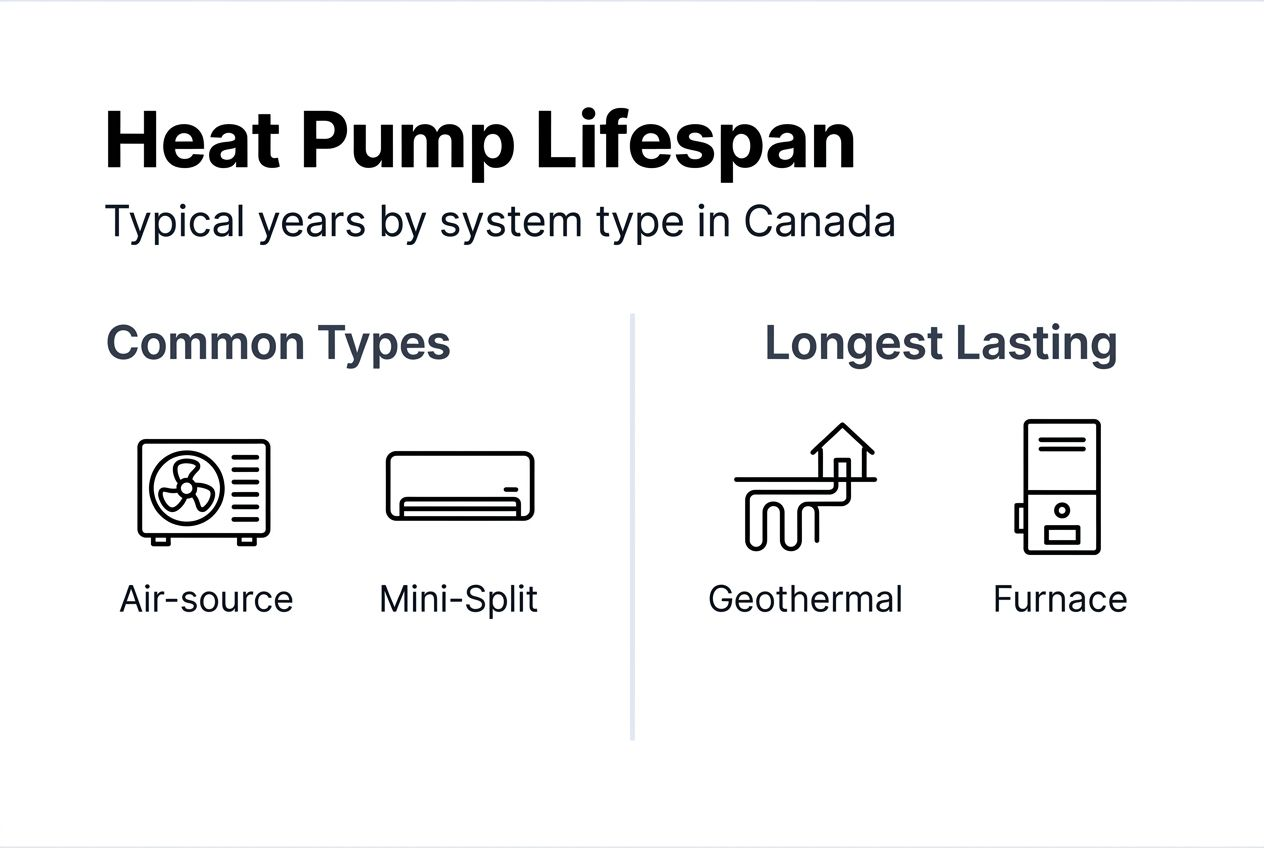
Air-source heat pumps last 10-15 years, ductless mini-splits 12-15 years, geothermal systems up to 20 years, whilst traditional furnaces last 15-20 years. Understanding these differences helps you budget for replacement and choose equipment matching your investment horizon. Each system type offers distinct advantages balancing upfront cost, lifespan, and efficiency.
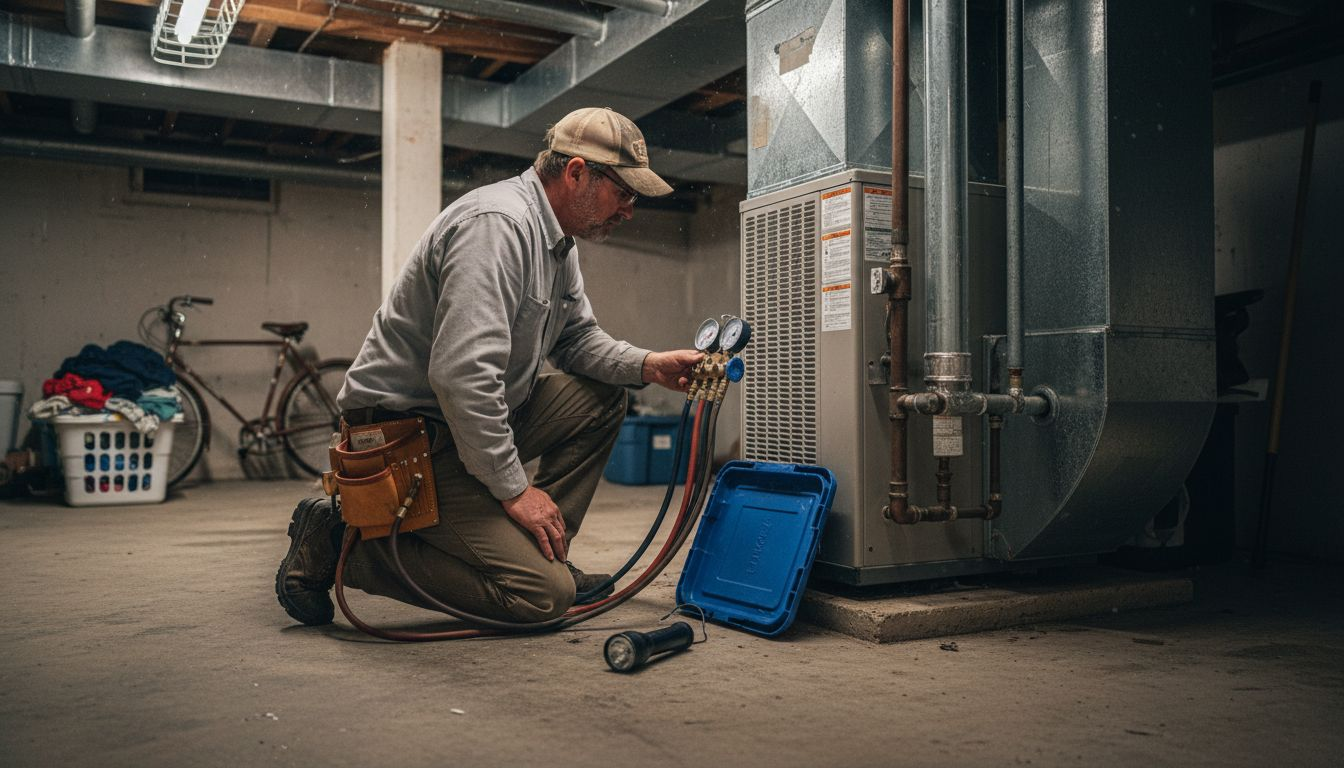
Air-source heat pumps are most common, offering affordable installation and good performance in moderate climates. Their outdoor exposure to weather and temperature extremes contributes to shorter lifespans compared to indoor or ground-based systems. Regular maintenance maximises their durability within typical ranges.
Ductless mini-splits provide zoning flexibility and slightly longer lifespans due to smaller, distributed components experiencing less strain. Multiple indoor units share one outdoor compressor, distributing wear across the system. This configuration often outlasts traditional ducted air-source models.
Geothermal heat pumps achieve longest lifespans through stable underground temperatures and protected indoor components. Higher upfront costs are offset by decades of reliable service and minimal outdoor exposure. Ground loops can last 50+ years, though the heat pump itself requires replacement after 15-20 years.
Traditional furnaces provide heating only, requiring separate air conditioning. Their focused function and simpler design contribute to reliable 15-20 year lifespans. However, operating two systems for heating and cooling increases overall maintenance and replacement costs compared to dual-function heat pumps.
| System type | Average lifespan | Key advantages | Considerations |
|---|---|---|---|
| Air-source heat pump | 10-15 years | Affordable installation, heating and cooling | Outdoor exposure shortens lifespan |
| Ductless mini-split | 12-15 years | Zoning flexibility, distributed components | Multiple indoor units require individual maintenance |
| Geothermal heat pump | 15-20 years | Longest lifespan, highest efficiency | High upfront cost, complex installation |
| Traditional furnace | 15-20 years | Reliable heating, simple design | Requires separate cooling system |
Compare heat pump lifespan across different types to inform your equipment selection.
Common misconceptions about heat pump lifespan
Many believe heat pumps can’t match furnace durability, but properly maintained systems last just as long or longer. Modern cold climate models with quality installation routinely reach 15-20 years, equalling or exceeding traditional heating equipment. This misconception stems from older heat pump designs unsuited for Canadian winters.
Another myth suggests heat pumps fail quickly in cold climates. Today’s cold climate models operate reliably to -30°C using advanced compressor technology and optimised refrigerants. Proper sizing and installation ensure dependable performance throughout harsh winters without premature failures.
Some homeowners assume heat pumps require minimal maintenance compared to furnaces. Reality is opposite. Heat pumps work year-round providing heating and cooling, demanding regular filter changes and annual professional servicing. Neglecting maintenance dramatically shortens lifespan, whilst diligent care extends it significantly.
A persistent belief holds that expensive repairs indicate immediate replacement needs. Often, targeted component replacements cost far less than new systems and add years of service. Consulting qualified technicians helps distinguish economical repairs from end-of-life situations.
Key misconceptions debunked:
- Heat pumps match or exceed furnace lifespans with proper care
- Modern cold climate models perform reliably in severe Canadian winters
- Year-round operation demands more maintenance, not less
- Regular servicing is essential for achieving expected lifespan
- Not all repairs signal replacement; professional assessment guides decisions
Recognising end of life and replacement signals
Rising energy bills without usage changes indicate declining efficiency as components wear. Heat pumps losing efficiency run longer to achieve set temperatures, consuming more electricity. If bills increase 15-20% annually despite stable usage, your system approaches end of life.
Frequent repairs signal approaching failure. When repair costs exceed 50% of replacement value, or you’re calling technicians multiple times per season, economic sense favours replacement. Older units also lack modern efficiency standards, making upgrades financially attractive through energy savings.
Inconsistent temperature control or longer run times reveal system fatigue. If some rooms stay cold whilst others overheat, or the heat pump runs constantly without reaching set temperatures, major components may be failing. These symptoms warrant professional evaluation and likely replacement.
Older units lacking modern refrigerants or efficiency ratings waste energy and money. New 2026 models use environmentally friendly refrigerants with superior performance. Upgrading captures these improvements whilst avoiding emergency breakdowns during extreme weather.
Replacement signals:
- Unexplained energy bill increases of 15-20% or more
- Repair costs approaching 50% of replacement value
- Frequent service calls multiple times per heating season
- Inconsistent temperatures or inability to maintain comfort
- Age exceeding 12-15 years for air-source, 15-20 for geothermal
- Outdated refrigerants or efficiency ratings below current standards
Technological advancements and their impact on lifespan
New refrigerants like R-32 and R-454B reduce global warming potential whilst improving heat transfer efficiency. These advanced fluids operate at optimal pressures reducing compressor stress and extending mechanical life. Environmental regulations in 2026 drive adoption of these greener, longer-lasting components across the industry.
Variable speed compressors adapt workload precisely to heating demand, eliminating harsh on-off cycling. Gradual modulation reduces thermal and mechanical stress, significantly extending compressor life. This technology represents the biggest durability improvement in modern heat pumps.
Smart control systems enable predictive maintenance through continuous performance monitoring. Sensors detect declining efficiency or component wear, alerting homeowners before failures occur. Early intervention prevents cascading damage and costly emergency repairs.
Updated regulations mandate higher efficiency standards and lower emissions, pushing manufacturers toward durable, sustainable designs. Components meeting 2026 standards typically feature better materials and engineering, translating to longer service life. Homeowners benefit from reduced replacements and lower environmental impact.
Technological improvements:
- Advanced refrigerants reducing stress and environmental harm
- Variable speed compressors eliminating damaging on-off cycles
- Smart diagnostics enabling predictive maintenance
- Stricter efficiency regulations driving better component quality
- Enhanced materials and engineering extending operational life
Summary and practical takeaways for homeowners
Choose high-quality heat pumps sized precisely for your home and climate. Professional load calculations ensure optimal performance and longevity. Cold climate models provide reliable service in Canadian winters, justifying any premium through extended durability and efficiency.
Invest in professional installation to avoid premature wear from improper setup. Certified technicians follow manufacturer specifications, ensuring your system achieves its full lifespan potential. Installation quality affects every day of operation for the next 10-20 years.
Establish a routine annual maintenance schedule with qualified professionals. Regular servicing detects issues early, preventing costly failures and extending service life significantly. Simple tasks like filter changes between professional visits maintain peak performance.
Monitor energy bills and system performance for early warning signs. Unexplained cost increases or comfort issues signal declining efficiency warranting professional assessment. Proactive monitoring helps you plan replacement on your schedule rather than during emergency breakdowns.
Practical actions:
- Select equipment matching your climate and home size
- Hire certified installers for proper setup
- Schedule annual professional maintenance before heating season
- Change filters monthly during heavy usage periods
- Track energy costs and performance for early problem detection
- Plan replacement proactively when systems exceed 12-15 years
Explore comprehensive guidance on heat pump lifecycle efficiency in Canada for detailed planning.
Explore expert heat pump services at CoolFix
Understanding heat pump lifespan is just the beginning. Professional installation, maintenance, and replacement services ensure you maximise durability and efficiency throughout your system’s life. CoolFix offers specialised heat pump solutions tailored for Canadian climates, helping homeowners achieve reliable year-round comfort.

Our certified technicians provide expert installation following manufacturer specifications and best practices. We perform detailed load calculations ensuring proper sizing from day one, preventing premature wear and maximising your investment. Comprehensive maintenance plans keep your system operating efficiently for its full expected lifespan, whilst our replacement guidance helps you upgrade confidently when the time comes.
Discover step-by-step guidance through our heat pump replacement tutorial for Canadian homeowners, understand project timelines with our heat pump installation timeline in Canada, and explore professional service procedures in our heat pump maintenance workflow for technicians.
Frequently asked questions
What is the average lifespan of a heat pump in Canada?
Average lifespan ranges from 10 to 15 years for air-source heat pumps, 12 to 15 years for mini-splits, and up to 20 years for geothermal systems with proper maintenance. Cold climate models designed for Canadian winters often achieve longer service lives through enhanced components and advanced technology. Professional installation and annual servicing maximise durability across all system types.
How often should I schedule professional maintenance for my heat pump?
Professional maintenance should occur at least once annually before the heating season begins. This timing ensures your system enters winter in peak condition, avoiding mid-season failures. Regular filter changes between professional visits and prompt attention to performance changes maintain efficiency. Explore detailed procedures through our heat pump maintenance workflow for technicians to understand comprehensive service requirements.
How can I tell when it’s time to replace my heat pump?
Watch for rising energy bills without usage changes, frequent repairs exceeding 50% of replacement cost, and inconsistent heating or cooling performance. Systems older than 12-15 years for air-source or 15-20 years for geothermal models warrant replacement consideration. Outdated refrigerants or efficiency ratings below current 2026 standards also justify upgrades for energy savings and environmental benefits.
Recommended
- Heat Pump Lifecycle Explained – Efficiency for Canadians – CoolFix Appliance & HVAC Service
- Heat Pump Placement – Maximizing Efficiency in Canada – CoolFix Appliance & HVAC Service
- Heat Pump Performance in Winter – Maximizing Efficiency in Canada – CoolFix Appliance & HVAC Service
- Heat Pump Location Factors – Maximizing Efficiency in Canada – CoolFix Appliance & HVAC Service
0 Comments