
Your heat pump keeps your home comfortable year round, but when it starts showing warning signs, ignoring them can lead to costly breakdowns and uncomfortable living conditions. Recognising early indicators of heat pump problems helps you address issues before they escalate into expensive emergencies. From unusual sounds to inconsistent temperatures, these warning signals tell you when professional attention is needed. Understanding what to watch for empowers you to maintain your system’s efficiency, extend its lifespan, and keep your energy bills under control throughout Canadian winters and summers.
Table of Contents
- Common Signs Your Heat Pump Needs Repair
- Understanding Heat Pump Performance Issues And Their Causes
- How To Identify Urgent Heat Pump Repair Needs Versus Routine Maintenance
- Costs And Benefits Of Timely Heat Pump Repair
- Explore Expert Heat Pump Repair And Replacement Services
- Frequently Asked Questions
Key takeaways
| Point | Details |
|---|---|
| Watch for unusual noises | Grinding, squealing, or banging sounds indicate mechanical problems requiring immediate attention |
| Monitor temperature consistency | Uneven heating or cooling across rooms signals potential refrigerant or airflow issues |
| Track energy consumption | Unexplained spikes in utility bills often mean your heat pump is working harder due to underlying faults |
| Check for moisture buildup | Excessive condensation or leaks near the indoor unit point to drainage or refrigerant problems |
| Notice cycling patterns | Frequent on and off cycles suggest thermostat, electrical, or compressor issues |
Common signs your heat pump needs repair
Your heat pump communicates problems through specific symptoms that homeowners can easily identify. Paying attention to these warning signs helps you catch issues early, preventing minor problems from becoming major failures.
Unusual noises rank among the most obvious indicators something has gone wrong. Grinding sounds typically point to worn bearings in the motor, while squealing often means belt issues or refrigerant pressure problems. Banging or clanking noises suggest loose components rattling inside the unit. These sounds differ dramatically from the normal hum of operation you hear daily.
Inconsistent heating or cooling creates uncomfortable temperature variations throughout your home. You might notice one room stays freezing whilst another feels perfectly warm, even with the same thermostat setting. This inconsistency usually stems from airflow blockages or refrigerant distribution problems that prevent proper heat transfer.
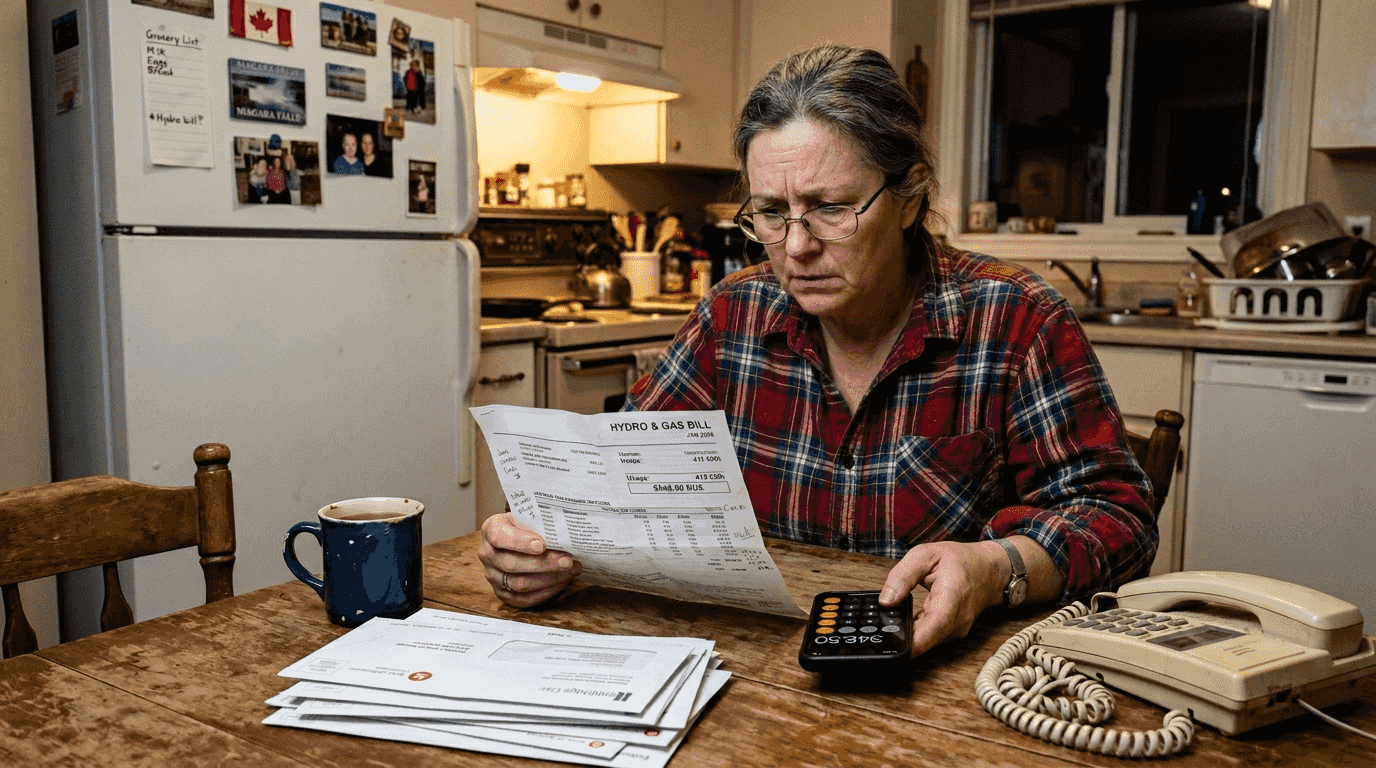
Rising energy bills without corresponding usage increases signal inefficiency. When your heat pump struggles with mechanical issues, it consumes more electricity to maintain desired temperatures. Compare your current bills to previous months and years to spot unusual patterns that indicate declining performance.
Increased humidity or visible moisture near your indoor unit points to drainage problems or refrigerant leaks. Properly functioning heat pumps remove moisture from indoor air, so excess condensation means something has disrupted this process. Water pooling around the unit requires immediate investigation to prevent water damage and mould growth.
Frequent cycling behaviour, where your system turns on and off repeatedly in short intervals, indicates serious problems. This short cycling wastes energy, stresses components, and fails to maintain comfortable temperatures. Thermostat malfunctions, refrigerant issues, or oversized equipment often cause this problematic pattern.
Pro Tip: Keep a simple log noting when you first notice any unusual behaviour, including dates and specific symptoms. This documentation helps technicians diagnose problems faster and provides valuable information for warranty claims.
Understanding heat pump performance issues and their causes
Behind every symptom lies a technical cause that explains why your heat pump isn’t performing properly. Understanding these underlying issues helps you appreciate why professional repair becomes necessary and how problems develop over time.
Refrigerant leaks severely impact heating efficiency because your system relies on precise refrigerant levels to transfer heat effectively. When refrigerant escapes through corroded coils or loose connections, your heat pump cannot absorb or release heat properly. You’ll notice reduced heating capacity, ice formation on outdoor coils, and hissing sounds near refrigerant lines. Routine maintenance catches refrigerant issues early before they cause complete system failure.
Dirty filters and coils create airflow restrictions that force your heat pump to work harder whilst delivering less comfort. Dust and debris accumulation on evaporator or condenser coils acts as insulation, preventing efficient heat exchange. Clogged air filters reduce airflow through your ductwork, causing pressure imbalances and temperature inconsistencies. These issues develop gradually, so regular cleaning prevents performance degradation.
Electrical component failures or wiring problems disrupt the signals and power flow your heat pump needs to operate. Faulty capacitors prevent motors from starting properly, whilst deteriorated contactors interrupt electrical circuits. Corroded wiring connections create resistance that generates heat and reduces efficiency. These electrical issues often manifest as intermittent operation or complete system shutdown.
Thermostat problems cause irregular operation because this device controls when and how your heat pump runs. Miscalibrated sensors send incorrect temperature readings, whilst dead batteries or loose wiring prevent proper communication with your system. Outdated thermostats lack the precision of modern programmable models, leading to temperature swings and wasted energy.
Compressor defects or motor wear represent serious mechanical failures requiring immediate attention. The compressor serves as your heat pump’s heart, circulating refrigerant throughout the system. When bearings wear out or internal components fail, you’ll hear loud noises and experience complete heating loss. Motor problems in fan assemblies reduce airflow and cause overheating that damages other components.
Pro Tip: Understanding these technical causes helps you ask informed questions when discussing repairs with technicians, ensuring you receive accurate diagnoses and appropriate solutions rather than unnecessary replacements.
How to identify urgent heat pump repair needs versus routine maintenance
Distinguishing between emergencies requiring immediate professional help and issues you can address through maintenance saves time and money whilst preventing system damage. Knowing when to call experts versus handling tasks yourself keeps your heat pump running safely and efficiently.
Urgent repair situations demand immediate professional attention to prevent safety hazards or complete system failure. A heat pump that won’t heat at all during winter creates dangerous living conditions requiring emergency service. Refrigerant leaks pose environmental and health risks that only certified technicians can safely address. Electrical problems like sparking, burning smells, or tripped breakers indicate fire hazards needing expert diagnosis. Ice buildup covering your outdoor unit in winter or indoor coils in summer signals serious refrigerant or airflow problems. Recognising these urgent signs prevents catastrophic failures and protects your investment.
Routine maintenance often resolves minor issues before they escalate into expensive repairs. Reduced airflow sometimes results from dirty filters you can replace yourself in minutes. Slightly uneven temperatures might improve after cleaning return air vents and ensuring furniture doesn’t block airflow. Minor efficiency declines often respond to simple thermostat battery replacement or recalibration. These maintenance tasks fall within most homeowners’ capabilities and prevent unnecessary service calls.
| Urgent repair indicators | Routine maintenance issues |
|---|---|
| Complete heating or cooling failure | Slightly reduced airflow |
| Refrigerant leaks or hissing sounds | Dirty air filters |
| Electrical sparking or burning smells | Dusty return vents |
| Frozen coils or excessive ice buildup | Minor thermostat drift |
| Loud grinding or banging noises | Normal operational sounds |
Timely repairs extend your heat pump’s lifespan significantly by preventing minor issues from damaging expensive components. A small refrigerant leak caught early requires simple seal replacement, whilst ignoring it leads to compressor failure costing thousands. Addressing worn bearings promptly prevents motor burnout that necessitates complete replacement.
Safety considerations make professional expertise essential for certain repairs. Refrigerant handling requires certification due to environmental regulations and health risks. Electrical work demands proper training to prevent shocks, fires, or code violations. Gas connections on dual fuel systems need licensed technicians to ensure leak free installation.
Simple maintenance tasks homeowners can perform include monthly filter inspections and replacements, keeping outdoor units clear of debris and vegetation, checking thermostat batteries seasonally, and ensuring indoor vents remain unobstructed. These basic steps maintain efficiency between professional service visits.
Costs and benefits of timely heat pump repair
Understanding the financial implications of repair decisions helps you prioritise maintenance and act promptly when problems arise. Comparing repair costs against replacement expenses and quantifying efficiency gains demonstrates why timely action makes economic sense.
Typical heat pump repair costs range from $150 for simple fixes like thermostat replacement to $1,500 for major component repairs such as compressor replacement. Complete system replacement runs $3,000 to $8,000 depending on capacity and efficiency ratings. Minor repairs addressing early warning signs cost substantially less than emergency service calls for failed systems, making preventive action financially prudent.
| Repair type | Typical cost range | Replacement comparison |
| — | — |
| Thermostat replacement | $150 to $300 | 2% to 4% of replacement cost |
| Refrigerant recharge | $200 to $600 | 3% to 8% of replacement cost |
| Fan motor replacement | $400 to $800 | 5% to 11% of replacement cost |
| Compressor replacement | $1,200 to $2,500 | 17% to 31% of replacement cost |
| Complete system replacement | $3,000 to $8,000 | Baseline comparison |
Energy savings achieved by repairing faulty components early can reduce utility bills by 15% to 25% compared to operating a malfunctioning system. A refrigerant leak forces your heat pump to run longer cycles, consuming extra electricity whilst failing to reach desired temperatures. Timely repairs restore efficiency and lower monthly operating costs immediately.
Avoiding emergency repairs through scheduled service visits prevents the premium charges technicians apply for after hours or weekend calls. Emergency service rates typically add 50% to 100% to standard repair costs, making proactive maintenance significantly cheaper than reactive crisis management.
Improved home comfort with a fully operational heat pump provides consistent temperatures, proper humidity control, and quiet operation that enhances your living environment. Eliminating cold spots, reducing noise, and maintaining stable conditions improves quality of life beyond simple cost considerations.
Long term savings through extended system life make repair investments worthwhile. Properly maintained heat pumps last 15 to 20 years, whilst neglected systems fail after 8 to 12 years. Spending $500 annually on maintenance and minor repairs costs far less than premature replacement every decade.
Pro Tip: Request detailed estimates breaking down parts and labour costs, then compare these figures against your heat pump’s age and overall condition to make informed repair versus replacement decisions.
Explore expert heat pump repair and replacement services
When your heat pump shows warning signs, connecting with qualified professionals ensures proper diagnosis and effective solutions. CoolFix specialises in comprehensive heat pump services designed to restore comfort and efficiency to Canadian homes facing heating challenges.
Our appliance repair services include thorough diagnostics using advanced testing equipment to pinpoint exact failure causes rather than guessing at solutions. Experienced technicians handle everything from simple component replacements to complex system overhauls, ensuring your heat pump operates at peak performance.

For systems beyond economical repair, our heat pump replacement tutorial guides you through selecting appropriately sized equipment that matches your home’s heating requirements and budget constraints. Understanding replacement options helps you make confident decisions when repair costs approach new system prices.
Choosing the right HVAC contractor significantly impacts repair quality and long term satisfaction. Our resources help you evaluate qualifications, compare estimates, and verify certifications to ensure you work with trustworthy professionals who prioritise your comfort and safety.
Frequently asked questions
What are the most common signs that indicate my heat pump needs repair?
The most common warning signs include unusual noises like grinding or squealing, inconsistent heating or cooling across different rooms, and unexplained increases in energy bills. You might also notice excessive moisture near the indoor unit or frequent cycling where the system turns on and off repeatedly. These symptoms typically signal underlying mechanical, electrical, or refrigerant issues requiring professional diagnosis.
Can I perform heat pump repairs myself, or should I call a professional?
Simple maintenance tasks like replacing air filters, cleaning vents, and changing thermostat batteries fall within most homeowners’ capabilities and should be performed regularly. However, repairs involving refrigerant handling, electrical components, or mechanical parts require certified professionals due to safety risks, specialised tools, and legal requirements. Choosing qualified HVAC contractors ensures repairs meet safety standards and maintain warranty coverage.
How often should I schedule maintenance to prevent heat pump repairs?
Annual professional maintenance is recommended, ideally scheduled before heating season begins in autumn to ensure reliable winter operation. During maintenance visits, technicians inspect electrical connections, test refrigerant levels, clean coils, and verify proper airflow. Between professional services, homeowners should check filters monthly and keep outdoor units clear of debris. Following this heat pump maintenance checklist reduces repair frequency and extends system lifespan.
What are the costs involved in repairing a heat pump compared to replacing it?
Repair costs typically range from $150 for minor fixes to $2,500 for major component replacements, whilst complete system replacement costs $3,000 to $8,000 depending on capacity and efficiency. Repairs make financial sense when your system is less than 10 years old and repair costs stay below 50% of replacement price. Older systems with frequent breakdowns often justify replacement due to improved efficiency and reliability. Understanding heat pump replacement costs helps you evaluate whether repair or replacement offers better long term value.
Recommended
- 7 Signs Your Heat Pump Needs Repair Before Winter Hits – CoolFix Appliance & HVAC Service
- 7 Best Practices for Heat Pump Repair in Canada – CoolFix Appliance & HVAC Service
- Master Heat Pump Repair Workflow for Canadian HVAC Techs – CoolFix Appliance & HVAC Service
- 7 Essential Heat Pump Repair Tips for Canadian Homeowners – CoolFix Appliance & HVAC Service
0 Comments