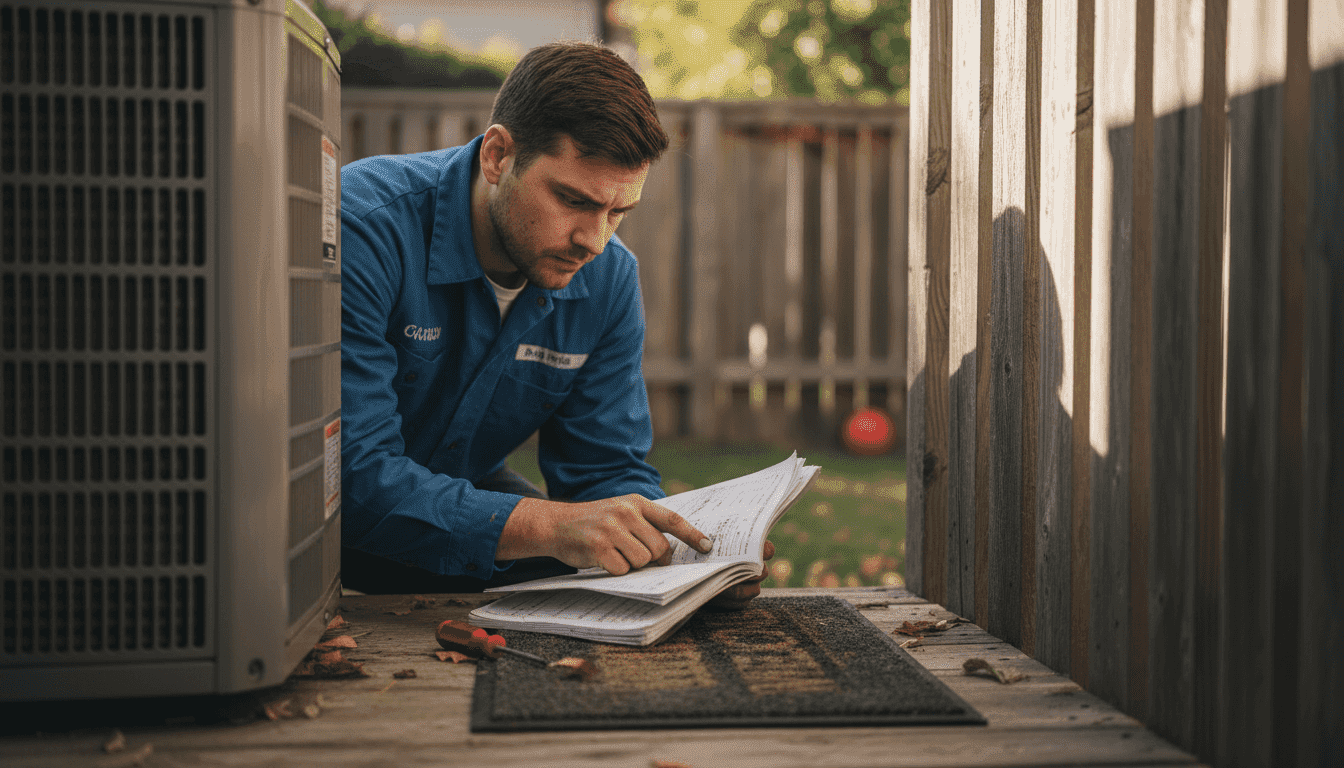
Choosing the right appliance repair tasks as a beginner can feel overwhelming, especially when safety and effectiveness hang in the balance. Many homeowners struggle to distinguish between manageable DIY fixes and repairs that demand professional expertise. This guide delivers practical, safety-focused tips to help you confidently troubleshoot and maintain heat pumps and other household appliances, building your skills while avoiding costly mistakes that could compromise your safety or damage your equipment.
Table of Contents
- How To Choose What To Repair Yourself: Key Criteria For Beginners
- Safety First: Essential Precautions For Beginner Appliance Repair
- Essential Tools Every Beginner Needs For Appliance Repair
- Heat Pump-Specific Troubleshooting Tips For Beginners
- Common Appliance Repair Mistakes Beginners Should Avoid
- Maintenance Routines To Extend Appliance Lifespan And Prevent Repairs
- When To Stop And Seek Professional Help: Decision Framework
- Summary Comparison Table And Situational Recommendations
- Appliance Repair Support From CoolFix
- Frequently Asked Questions
Key takeaways
| Point | Details |
|---|---|
| Safety prioritisation | Always disconnect power and use proper protective equipment before starting any repair work. |
| Essential tool investment | A basic toolkit under CAD 100 covers most common appliance repairs effectively. |
| Heat pump maintenance focus | Regular filter cleaning and simple diagnostics prevent over 70% of common faults. |
| Recognise skill limits | Know when complexity or safety risks require professional intervention to avoid injury and damage. |
| Maintenance extends lifespan | Quarterly cleaning and inspections reduce breakdowns and maximise appliance longevity significantly. |
How to choose what to repair yourself: key criteria for beginners
Before grabbing your tools, evaluate each repair task using a systematic approach that protects both you and your appliances. Safety risk must always be your highest priority when deciding whether to attempt a repair yourself. Consider electrical hazards, refrigerant exposure, and mechanical risks before proceeding with any task.
Assess the complexity of appliance components relative to your current skill level. Simple tasks like cleaning filters or replacing worn door seals suit beginners perfectly, whilst refrigerant handling or complex electrical diagnostics require professional expertise. Start with straightforward repairs and gradually build confidence as your knowledge grows.
Tool availability plays a crucial role in repair success. Determine whether you own or can afford the necessary equipment for each job. Basic repairs need minimal investment, but specialised tasks may require expensive tools that make professional services more cost effective.
Consider these key factors when evaluating repair tasks:
- Electrical hazard level and power requirements
- Component accessibility and workspace constraints
- Availability of clear troubleshooting guides and diagrams
- Potential cost of mistakes versus professional repair fees
- Your comfort level with technical diagnostic procedures
For structured guidance on tackling heat pump issues, explore our step by step heat pump repair resources. When complexity exceeds your capabilities, refer to our guide on choosing appliance repair services to find qualified professionals who can handle advanced repairs safely.
Safety first: essential precautions for beginner appliance repair
Proper safety measures prevent injuries and equipment damage during appliance repair work. Always disconnect power at the breaker panel before touching any appliance components, never just unplugging the unit. Verify power is off using a voltage tester to eliminate shock risks completely.
Wear insulated gloves and protective goggles throughout your repair work. Sharp metal edges, chemical exposure from cleaning agents, and unexpected component movement create hazards that proper personal protective equipment mitigates effectively. Ignoring safety procedures accounts for 60% of failures, making precautions non-negotiable for successful outcomes.
Organise your workspace before starting repairs. Clear clutter from the area, ensure adequate lighting, and arrange tools within easy reach. Keep a mobile phone nearby for emergency contact, and never work alone on complex repairs where assistance might become necessary.
Implement these critical safety practices:
- Use a circuit tester to confirm power disconnection before starting work
- Wear non-slip footwear to prevent falls on potentially wet surfaces
- Keep a fire extinguisher accessible when working with electrical components
- Ventilate the workspace adequately to avoid refrigerant or chemical fumes
- Maintain proper posture and take breaks to prevent strain injuries
Pro Tip: Take photos of component positions and wire connections before disassembly. These reference images prevent reassembly errors and save hours of troubleshooting later.
For comprehensive safety guidelines tailored to various appliance types, visit our appliance repair basics resource centre.
Essential tools every beginner needs for appliance repair
Building a basic toolkit empowers you to handle approximately 85% of common household appliance repairs without expensive specialised equipment. Start with quality screwdrivers in multiple sizes and types, including Phillips, flathead, and Torx varieties. A good set of pliers, including needle-nose and slip-joint styles, handles wire work and component removal effectively.
A multimeter is critical for appliance diagnostics, allowing you to test electrical continuity, voltage, and resistance safely. Budget models under CAD 40 provide adequate functionality for beginner repairs, whilst mid-range options offer better accuracy and durability. Learn basic multimeter operation before attempting electrical diagnostics to ensure accurate readings.
Invest approximately CAD 80 to CAD 100 for a complete beginner toolkit that includes:
- Screwdriver set with magnetic tips for easier fastener handling
- Adjustable wrench and socket set for various bolt sizes
- Wire strippers and electrical tape for connection repairs
- Flashlight or headlamp for illuminating dark appliance interiors
- Nut driver set for HVAC and appliance-specific fasteners
Purchase tools from reputable hardware retailers offering warranties and return policies. Canadian Tire, Home Depot, and local tool shops provide quality options at reasonable prices. Avoid ultra-cheap tool sets that break easily and compromise repair quality.
Pro Tip: Store tools in a dedicated toolbox with compartments to prevent loss and damage. Clean tools after each use and apply light oil to metal components to prevent rust in humid environments.
For region-specific tool recommendations and purchasing guides, explore our appliance repair basics in Canada page.
Heat pump-specific troubleshooting tips for beginners
Heat pumps present unique challenges and opportunities for beginner repairs due to their dual heating and cooling functionality. Over 70% of heat pump problems stem from simple maintenance issues like dirty filters or loose electrical connections, making many repairs highly accessible to DIY enthusiasts.
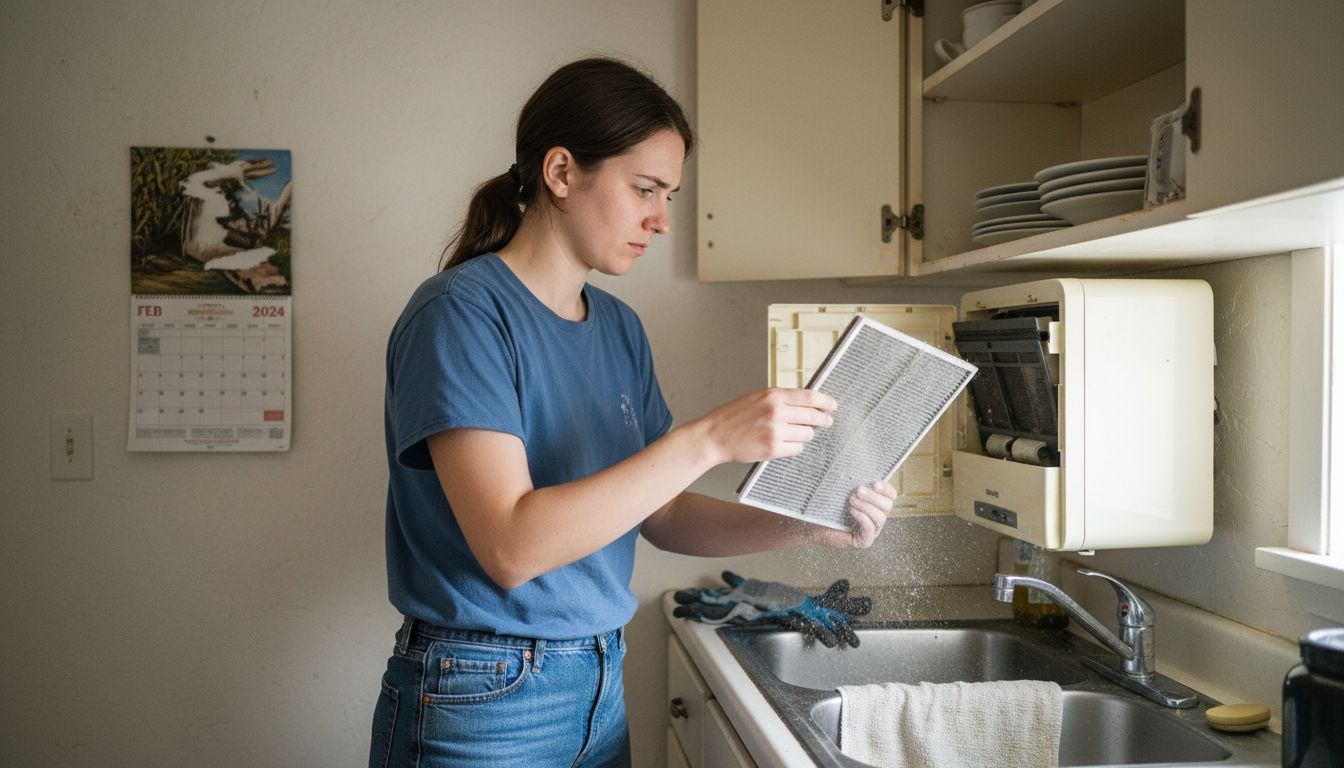
Start troubleshooting by checking and cleaning or replacing air filters monthly during heavy use periods. Restricted airflow from clogged filters forces systems to work harder, reducing efficiency and potentially causing compressor damage. Locate filters according to your model’s manual and ensure proper sizing when purchasing replacements.
Test thermostat settings and responsiveness by adjusting temperature controls and observing system response. Faulty thermostats often cause heating or cooling failures that mimic more serious component problems. Check batteries in wireless models and ensure wired thermostats maintain secure connections.
Perform these essential heat pump diagnostic steps:
- Inspect outdoor unit for debris blocking airflow around coils and fan
- Check circuit breakers and disconnect switches for tripped positions
- Listen for unusual noises indicating fan motor or compressor issues
- Verify reversing valve operation during mode changes between heating and cooling
- Examine refrigerant lines for ice buildup suggesting low refrigerant or airflow problems
| Component | Common Issue | Beginner Fix | Professional Required |
|---|---|---|---|
| Air Filter | Clogs reducing airflow | Clean or replace monthly | Never |
| Thermostat | Incorrect settings | Verify programming and batteries | If wiring issues |
| Outdoor Coils | Debris accumulation | Gentle cleaning with hose | If bent fins need repair |
| Electrical Connections | Loose or corroded terminals | Tighten visible connections | If internal wiring damaged |
| Defrost Sensor | Ice buildup on coils | Check sensor placement | If component replacement needed |
For detailed diagnostic procedures tailored to Canadian climates, review our heat pump repair tips for homeowners and comprehensive heat pump troubleshooting guide.
Common appliance repair mistakes beginners should avoid
New repair enthusiasts frequently make preventable errors that compromise safety and repair effectiveness. Never work on powered appliances, even if you believe the repair area is isolated from electrical components. Hidden wiring and capacitors can retain dangerous charges long after disconnection.
Skipping safety steps and diagnostic procedures contributes heavily to failure rates, turning simple fixes into expensive disasters. Rushing through repairs without methodical troubleshooting leads to misdiagnosis and unnecessary part replacements that waste time and money.
Avoid using improper tools that damage components or strip fasteners. A screwdriver that doesn’t fit properly rounds screw heads, making future repairs nearly impossible. Similarly, applying excessive force instead of using appropriate techniques causes broken mounting brackets and cracked housings.
Steer clear of these frequent mistakes:
- Forgetting to document disassembly steps with photos or notes
- Attempting complex repairs beyond your current skill level
- Ignoring manufacturer service manuals and wiring diagrams
- Using low-quality replacement parts that fail prematurely
- Neglecting to test repairs thoroughly before reassembly
Recognise when repairs exceed your capabilities and require professional expertise. Refrigerant handling, compressor replacement, and complex electrical diagnosis demand specialised training and certification. Attempting these repairs without proper knowledge risks injury and equipment damage far exceeding professional service costs.
For structured repair approaches that minimise errors, consult our heat pump repair workflow guidance.
Maintenance routines to extend appliance lifespan and prevent repairs
Regular maintenance prevents costly breakdowns and extends appliance longevity significantly. Proper maintenance can extend lifespan by 30%, reducing replacement frequency and saving thousands of dollars over time. Implement quarterly and monthly routines that address common wear points before they escalate into failures.
Clean heat pump filters and outdoor coils every three months during active seasons. Remove outdoor unit covers and gently rinse coils with a garden hose, avoiding high pressure that bends delicate fins. Indoor filter replacement takes minutes but dramatically improves efficiency and air quality.
Inspect electrical connections and wiring annually for corrosion or looseness. Tighten terminal screws and clean oxidised contacts with electrical contact cleaner. Check refrigerator and washing machine door seals for cracks or gaps that allow air or water leaks, replacing worn gaskets promptly.
Follow this maintenance schedule:
- Monthly: Replace or clean air filters on heating and cooling systems
- Quarterly: Inspect and clean appliance coils, vents, and drainage systems
- Biannually: Lubricate moving parts like fan motors and hinges per manufacturer specs
- Annually: Deep clean all appliance exteriors and interiors, checking for wear
- Ongoing: Document maintenance activities and observations in a dedicated log
Pro Tip: Create calendar reminders for maintenance tasks to ensure consistency. Regular attention prevents forgotten upkeep that leads to premature appliance failure.
Maintain detailed records of all maintenance activities, including dates, tasks completed, and any observations about appliance performance. These logs help identify developing patterns and provide valuable information if professional service becomes necessary.
For comprehensive maintenance checklists, explore our heat pump maintenance checklist and detailed heat pump maintenance guide.
When to stop and seek professional help: decision framework
Recognising your limits protects you from injury and prevents minor issues from becoming major expenses. Certain symptoms and repair complexities require professional diagnosis to avoid hazards and costly mistakes that exceed your technical capabilities.
Seek professional assistance immediately when repairs involve refrigerant handling, which requires certification and specialised equipment. Refrigerant exposure poses serious health risks, and improper handling violates environmental regulations. Similarly, complex electrical repairs involving control boards or high-voltage components demand professional expertise.
Watch for warning signs indicating serious problems beyond DIY scope. Unusual burning smells, persistent tripping of circuit breakers, or refrigerant leaks require immediate professional attention. Continuing operation with these symptoms risks fire hazards or complete system failure.
Call professionals in these situations:
- Refrigerant leaks or low charge requiring system recharging
- Compressor failure or unusual mechanical noises from sealed components
- Persistent problems after multiple troubleshooting attempts
- Electrical issues involving main power panels or complex wiring
- Any repair where you feel uncertain about safety or procedures
Weigh repair costs against appliance age and replacement value. Investing CAD 500 in repairs for a 15-year-old appliance nearing end of life may not make financial sense compared to replacement. Professionals can provide honest assessments of repair viability and cost-effectiveness.
| Scenario | DIY Appropriate | Professional Required | Key Considerations |
|---|---|---|---|
| Dirty filter causing reduced airflow | Yes | No | Simple monthly maintenance task |
| Thermostat not responding | Yes | Sometimes | Check batteries first, call if wiring issues |
| Outdoor unit not starting | Sometimes | Often | Check power and breakers, but may need compressor diagnosis |
| Refrigerant leak suspected | No | Always | Requires certification and specialised equipment |
| Strange burning smell | No | Immediately | Safety hazard requiring urgent professional assessment |
For guidance on selecting qualified repair services, visit our resource on choosing appliance repair services.
Summary comparison table and situational recommendations
Comparing appliance types helps you understand repair difficulty and make informed decisions about DIY attempts versus professional service. Heat pumps, refrigerators, and washing machines each present unique challenges requiring different skill levels and tools.
| Appliance Type | Typical Repair Difficulty | Safety Risk Level | Essential Tools | Key Maintenance | DIY vs Professional |
|---|---|---|---|---|---|
| Heat Pump | Moderate to High | Moderate | Multimeter, screwdrivers, cleaning supplies | Monthly filter changes, quarterly coil cleaning | DIY for filters and basic cleaning; professional for refrigerant and electrical |
| Refrigerator | Moderate | Low to Moderate | Screwdrivers, vacuum cleaner, coil brush | Biannual coil cleaning, door seal inspection | DIY for coils and seals; professional for compressor and refrigerant |
| Washing Machine | Low to Moderate | Low | Wrenches, pliers, screwdrivers | Annual hose inspection, quarterly filter cleaning | DIY for hoses and filters; professional for motor and transmission |
| Dryer | Low to Moderate | Moderate | Screwdrivers, vacuum, multimeter | Quarterly vent cleaning, annual belt inspection | DIY for vents and belts; professional for heating elements and gas connections |
Beginner homeowners should start with straightforward maintenance tasks before progressing to component repairs. Successfully cleaning filters and seals builds confidence for tackling slightly more complex jobs like thermostat replacement or hose changes.
Recommendations by scenario:
New to appliance repair: Focus on preventive maintenance and simple cleaning tasks for six months before attempting component repairs.
Moderate experience: Tackle electrical testing with multimeters and replace accessible components like filters, belts, and seals.
Confident DIYer: Progress to thermostat replacement, fan motor inspection, and basic electrical connection repairs whilst avoiding refrigerant and complex diagnostics.
Appliance repair support from CoolFix
When repairs exceed your comfort level or require professional expertise, CoolFix provides expert appliance repair services tailored to Canadian homeowners. Our certified technicians handle everything from routine maintenance to complex diagnostics, ensuring your appliances operate safely and efficiently year-round.
We specialise in heat pump diagnostics, maintenance, and repair support for situations where DIY approaches aren’t sufficient. Whether you’ve encountered persistent problems after troubleshooting or need refrigerant handling that requires certification, our team delivers reliable solutions that complement your beginner repair efforts.
Our professional appliance repair services cover all major household appliances with transparent pricing and guaranteed workmanship. For specific heat pump challenges, explore our heat pump repair tips or visit the CoolFix home page to schedule service and receive expert guidance on maintaining your home comfort systems effectively.
Frequently asked questions
What basic tools do I need to start appliance repair at home?
Begin with a quality screwdriver set, adjustable pliers, and a multimeter for electrical testing. Budget approximately CAD 80 to CAD 100 for tools that handle most common repairs effectively.
How can I stay safe when repairing appliances like heat pumps?
Always disconnect power at the breaker panel before starting work and verify disconnection with a voltage tester. Wear insulated gloves and protective goggles throughout repairs, and maintain an organised, well-lit workspace.
When should I stop a repair and call a professional?
Seek professional help immediately for refrigerant leaks, complex electrical issues, or persistent problems after troubleshooting. If you feel uncertain about safety procedures or lack necessary certification, professional service prevents injury and equipment damage.
How often should I perform maintenance on my heat pump?
Replace or clean air filters monthly during active heating or cooling seasons. Perform quarterly outdoor coil cleaning and annual comprehensive inspections of electrical connections and mechanical components.
Recommended
- Appliance Repair Heat Pump Guide for Efficient Maintenance – CoolFix Appliance & HVAC Service
- Master Heat Pump Repair Workflow for Canadian HVAC Techs – CoolFix Appliance & HVAC Service
- Why Repair Appliances – Extending Heat Pump Lifespan – CoolFix Appliance & HVAC Service
- 7 Essential Heat Pump Repair Tips for Canadian Homeowners – CoolFix Appliance & HVAC Service
0 Comments