
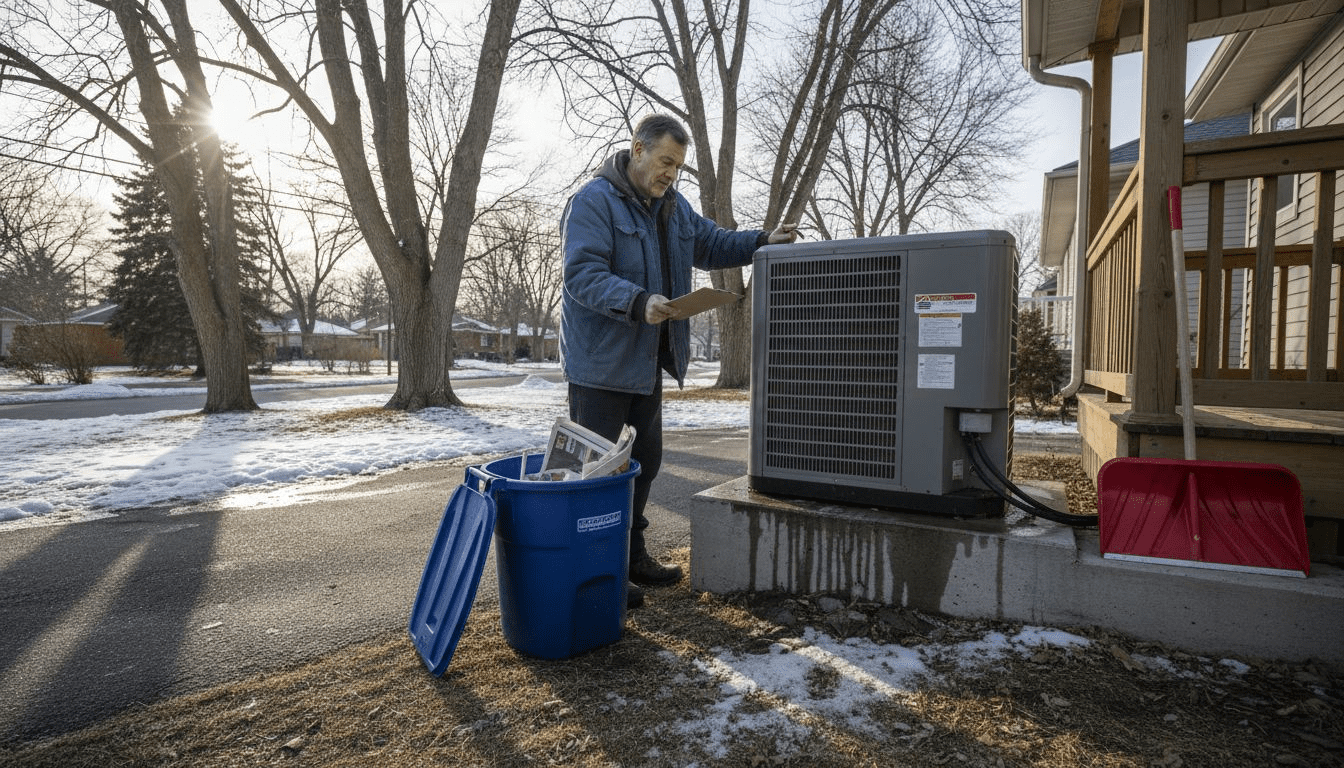
Choosing a new heating system for your Canadian home can feel overwhelming, especially when energy bills and comfort are on the line. Many homeowners are turning to heat pumps for year-round efficiency because they transfer heat instead of generating it, working effectively even in cold Canadian winters. Understanding how these systems function, and how regular maintenance shapes long-term performance, helps you extend their lifespan while saving on energy costs.
Table of Contents
- What Is A Heat Pump And How It Works
- Types Of Heat Pumps Used In Canada
- Factors That Affect Heat Pump Longevity
- Routine Maintenance For Optimal Performance
- Costs, Replacement, And Environmental Impact
Key Takeaways
| Point | Details |
|---|---|
| Heat Pumps Efficiency | Heat pumps are efficient systems for heating and cooling, transferring heat rather than generating it, which leads to significant energy savings. |
| Installation Types | Air-source heat pumps are the most common and cost-effective, while ground-source systems offer superior efficiency but come with higher installation costs. |
| Maintenance Importance | Regular maintenance and proper installation directly influence the lifespan and efficiency of heat pumps, with neglected systems failing earlier. |
| Environmental Benefits | Heat pumps significantly reduce greenhouse gas emissions compared to traditional heating systems, supporting Canada’s environmental goals. |
What Is a Heat Pump and How It Works
A heat pump is a clever heating and cooling system that works year-round in Canadian homes. Rather than generating heat by burning fuel, it moves heat from one place to another using electricity and refrigerant—like an air conditioner that can run in reverse.
The system operates on a simple but effective principle: transferring heat between indoor and outdoor air. During winter, it extracts warmth from the cold outdoor air and releases it inside your home. In summer, it reverses the cycle to pull heat from your indoor air and send it outside, cooling your space.
Heat pumps work by circulating liquid refrigerant through a continuous cycle:
- Evaporator coil absorbs heat from outdoor air (winter) or indoor air (summer)
- Compressor pressurises the refrigerant, raising its temperature
- Condenser coil releases the pressurised heat indoors (winter) or outdoors (summer)
- Expansion valve lowers the refrigerant pressure so the cycle repeats
This cycle runs continuously, moving heat rather than creating it. The amount of heat moved compared to electricity used is measured by coefficient of performance (COP)—a higher number means better efficiency.
Why does this matter for Canadian homeowners? Heat pumps provide year-round comfort while delivering significant energy savings compared to traditional furnaces and air conditioners. They work efficiently even in cold Canadian winters, though performance varies by temperature and system type.
Modern heat pumps are quieter, cleaner, and more reliable than older heating systems. They produce no combustion byproducts and integrate easily with existing ductwork in many homes. Installation location matters too—understanding how placement affects performance helps optimise your system’s efficiency and comfort levels.
Heat pumps don’t generate heat like traditional furnaces—they simply move it from where it exists to where you need it, making them exceptionally efficient.
Pro tip: Ask your technician about your system’s seasonal efficiency rating (HSPF for heating, SEER for cooling) when planning installation—higher ratings mean lower energy bills over the system’s lifetime.
Types of Heat Pumps Used in Canada
Canada has two main heat pump types, and knowing the difference helps you choose the right system for your home. Each type operates differently and suits different situations, budgets, and property layouts.
Air-Source Heat Pumps
Air-source heat pumps are by far the most common choice across Canada. They extract heat from outdoor air during winter and move it indoors, then reverse the process in summer to cool your home. These systems work efficiently even in harsh Canadian winters—modern cold-climate heat pumps operate at -20°C or colder without losing performance.
Air-source systems offer several practical advantages:
- Lowest installation cost compared to other types
- Quick installation with minimal excavation or ductwork changes
- No underground space requirements
- Suitable for most Canadian properties
- Easy to maintain and repair
The main drawback? They work hardest during the coldest months when outdoor temperatures drop significantly. Performance gradually decreases below freezing, though modern units handle this much better than older models.
Ground-Source (Geothermal) Heat Pumps
Ground-source heat pumps tap into the earth’s stable temperature, which remains constant year-round about 3 metres below the surface. These systems are more efficient than air-source models because the ground temperature doesn’t fluctuate like outdoor air.
Ground-source systems work through two approaches:
- Closed-loop systems circulate fluid through buried pipes, extracting steady heat from the earth
- Open-loop systems pump groundwater directly, then return it after heat exchange
These systems cost significantly more to install due to underground excavation and drilling. However, they deliver superior efficiency and lower operating costs over their lifespan—roughly 15–20 years. Ground-source systems suit larger properties with adequate space for loop installation.
The majority of Canadian homeowners choose air-source heat pumps for their affordability and proven performance, even in freezing temperatures.
Choosing Between Types
Your decision depends on budget, property size, and climate zone. Understanding placement factors optimises your system’s efficiency regardless of type. Air-source units work well for most Canadian homes. Ground-source makes sense if you have space and budget for long-term energy savings.
Here’s a comparison of air-source and ground-source heat pumps to help you choose the right system:
| Criteria | Air-Source Heat Pump | Ground-Source Heat Pump |
|---|---|---|
| Initial Installation Cost | $5,000–$10,000 | $12,000–$16,000 |
| Efficiency in Cold Weather | Good, improved in modern units | Excellent, stable year-round |
| Space Requirement | Minimal, suits most properties | Requires large outdoor area |
| Operating Cost (Long-Term) | Moderate, varies with climate | Lower, more consistent |
| Typical Lifespan | 15–20 years | 15–20 years |
| Maintenance Needs | Simple, easy access | More complex, requires ground inspection |
| Typical Canadian Use | Most common choice | Used on larger properties |
Pro tip: Get quotes for both types from certified installers—the upfront cost difference often surprises homeowners, but factoring in 20-year operating costs reveals which type saves more money for your specific situation.
Factors That Affect Heat Pump Longevity
Your heat pump’s lifespan isn’t guaranteed—it depends on specific choices you make before and after installation. The difference between a system lasting 15 years versus 20+ years often comes down to maintenance and operating conditions.
Installation Quality Matters Most
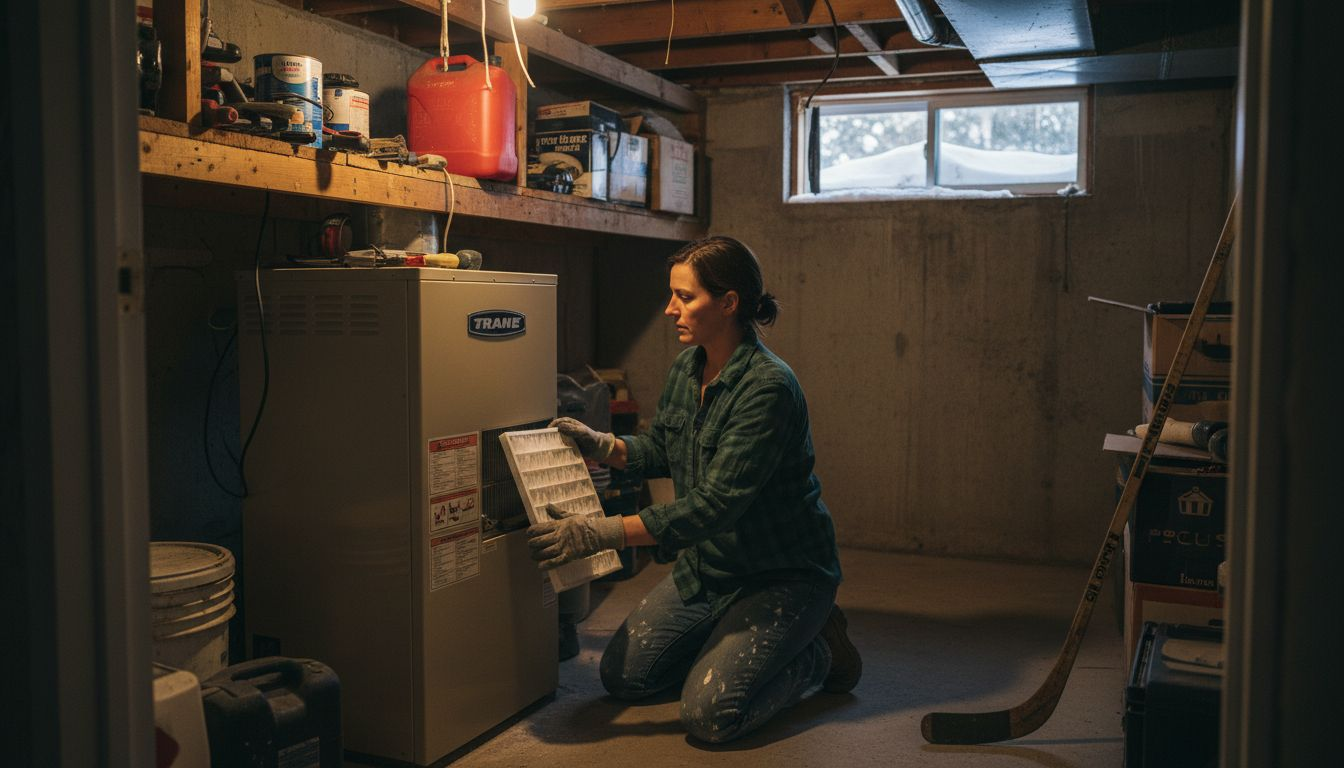
Proper sizing and installation quality are the foundation of longevity. An oversized system cycles on and off too frequently, wearing out components faster. An undersized unit runs constantly, never reaching set temperatures. Both scenarios shorten your system’s life significantly.
Quality installation also means:
- Correct refrigerant charge levels
- Proper airflow through coils
- Secure electrical connections
- Strategic placement away from harsh elements
Poor installation creates problems that compound over years. You might not notice at first, but inefficiency leads to component stress and premature failure.
Maintenance Is Non-Negotiable
Regular maintenance directly impacts how long your system lasts. Systems that receive consistent care easily reach 15–20 years, while neglected units may fail in 10 years. Annual professional servicing catches small issues before they become expensive problems.
Key maintenance tasks include:
- Cleaning or replacing air filters monthly
- Clearing outdoor unit of debris and vegetation
- Professional refrigerant checks annually
- Inspection of electrical connections and controls
These aren’t optional—they’re investments in longevity. Why heat pump servicing matters for Canadian homes explains how preventative care saves thousands in repairs.
Environmental Conditions
Climate and exposure affect wear rates dramatically. Heat pumps in harsh coastal environments with salt air corrode faster. Systems exposed to heavy debris, extreme temperature swings, or poor ventilation degrade quicker. Canadian cold snaps stress air-source units more than moderate climates.
Environmental factors you can control:
- Keep outdoor units clear of snow and ice buildup
- Trim vegetation 1 metre away from the unit
- Install protective covers during extreme weather
- Ensure proper drainage around the system
Avoiding Frequent Cycling
Constant on-off cycling shortens component life significantly. Proper thermostat settings and heat pump efficiency optimisation reduce unnecessary cycles. Systems that run smoothly without frequent interruptions last longer and cost less to operate.
Heat pump longevity depends far more on maintenance habits and installation quality than on the brand itself—two identical units can have vastly different lifespans based on how homeowners care for them.
Pro tip: Schedule annual professional maintenance in autumn before heating season starts—technicians can identify worn components, top up refrigerant, and clean coils when demand is lowest and appointments are easiest to book.
Review these key factors that directly affect your heat pump’s lifespan:
| Lifespan Factor | Description | Practical Outcome |
|---|---|---|
| Installation Quality | Proper sizing, correct setup | Prevents early component failure |
| Routine Maintenance | Filter changes, debris removal | Extends life up to 20 years |
| Environmental Exposure | Climate, salt, debris | Impacts corrosion and wear rate |
| System Cycling Frequency | On-off intervals controlled | Longer-lasting equipment |
Routine Maintenance for Optimal Performance
Consistent maintenance transforms how your heat pump performs. Neglect it for a few months and efficiency drops noticeably. Stay on top of it and you’ll enjoy reliable comfort year after year with minimal surprises.
Monthly Filter Changes
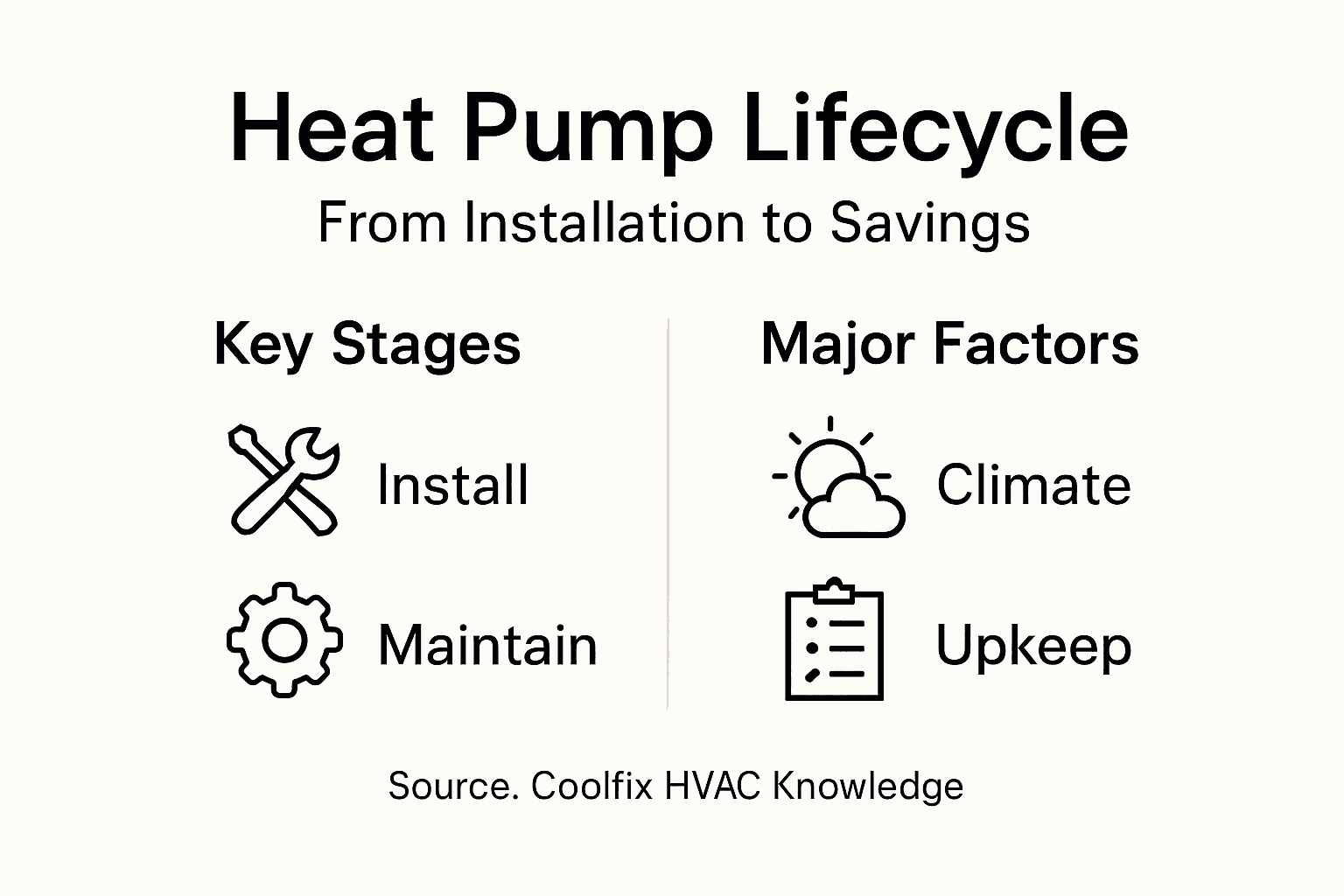
Air filters are your system’s first line of defence. Dirty filters force your heat pump to work harder, reducing efficiency and straining components. Most Canadian homeowners should replace filters monthly during heating season, every two months in milder periods.
Clean filters deliver:
- Better airflow and faster temperature adjustments
- Lower energy consumption and reduced bills
- Longer compressor lifespan
- Improved indoor air quality
This simple task takes 10 minutes and costs pennies compared to repair bills. Mark your calendar or set a phone reminder—consistency matters more than perfection.
Seasonal Deep Cleaning
Outdoor units collect debris that blocks airflow and reduces efficiency. Before heating and cooling seasons, spend 30 minutes clearing your outdoor unit. Remove leaves, grass clippings, dirt, and any vegetation within 1 metre of the unit.
Seasonal maintenance checklist:
- Clear leaves and debris from outdoor coils
- Trim shrubs and grass away from the unit
- Remove ice buildup carefully in winter
- Check that indoor vents aren’t blocked by furniture
- Inspect ducts for gaps or disconnections
Proper heat pump maintenance checklists outline specific tasks for each season. Following them prevents most common problems before they develop.
Professional Annual Inspections
Schedule a professional technician visit annually—ideally in autumn. Technicians check refrigerant levels, inspect electrical connections, test controls, and clean internal coils you can’t access yourself. This costs $150–$300 but prevents failures costing thousands.
Professionals catch issues like:
- Low refrigerant charge that reduces capacity
- Worn compressor belts
- Corroded electrical connections
- Faulty thermostats or sensors
Year-Round Monitoring
Stay alert to performance changes that signal problems. If your system runs constantly without reaching set temperatures, cycles on-off too frequently, or makes unusual noises, contact a technician. Early intervention stops small issues from becoming expensive repairs.
Warning signs include:
- Unusual sounds (grinding, squealing, rattling)
- Reduced heating or cooling power
- Frozen outdoor coils in winter
- Water pooling around indoor or outdoor units
Maintenance isn’t optional—systems that receive annual professional service and monthly filter changes stay efficient for 18–20 years, while neglected systems fail around year 12.
Pro tip: Create a seasonal maintenance checklist and tape it inside your furnace room door so family members remember filter changes and seasonal cleanings without relying on your memory.
Costs, Replacement, and Environmental Impact
Heat pump investment upfront is significant, but the numbers shift dramatically when you factor in energy savings and environmental benefits over 15–20 years. Understanding the true cost picture helps Canadian homeowners make informed decisions.
Installation Costs in Canada
Heat pump installation ranges from $5,000 to $16,000 depending on system type and complexity. Air-source systems cost less—typically $5,000–$10,000. Ground-source systems run $12,000–$16,000 due to excavation and drilling. Retrofitting existing homes costs more than new construction because of ductwork modifications.
Cost factors include:
- System type (air-source versus ground-source)
- Home size and layout
- Existing ductwork condition
- Electrical upgrades needed
- Installation complexity
Don’t compare installation costs alone. Calculate the 20-year total cost including energy bills to see real savings.
When to Replace Your System
Most heat pumps last 15–20 years, but replacement timing depends on repair costs and efficiency loss. A system costing $2,000 yearly in repairs while losing heating capacity probably needs replacement. A system running efficiently with minimal repairs can continue operating.
Replace when:
- Repairs exceed 50% of new system cost annually
- System fails to reach set temperatures
- Compressor shows signs of failure
- Refrigerant leaks recur frequently
An aging but functional system might work another 3–5 years. A system requiring frequent repairs drains money faster than replacement savings.
Energy Cost Savings
Heat pumps reduce energy consumption substantially compared to traditional heating. Energy savings reach up to 60% versus electric baseboards, and 30–50% versus natural gas furnaces depending on climate and system efficiency.
Typical savings for Canadian homeowners:
- $1,000–$2,500 annually in heating and cooling costs
- Payback period of 5–10 years for most installations
- Increasing savings as electricity grids shift to renewable sources
Environmental Benefits
Heat pumps eliminate fossil fuel combustion in your home, reducing greenhouse gas emissions significantly. They use electricity instead of oil or natural gas, supporting Canada’s climate goals. As the grid becomes cleaner with more renewables, your heat pump’s environmental impact improves automatically.
Environmental advantages:
- No on-site combustion byproducts
- Lower lifecycle emissions than furnaces
- Supports Canada’s net-zero targets
- Reduces reliance on fossil fuel imports
Government Programs and Incentives
Programs exist to offset installation costs and encourage adoption. The Canada Greener Homes Initiative provides rebates for heat pump installation. Provincial and municipal programs vary—check what’s available in your region.
Over 20 years, a heat pump’s energy savings typically exceed installation costs, making it a financial investment beyond environmental responsibility.
Pro tip: Request quotes from multiple installers and ask about available rebates and financing options—many utilities offer payment plans spreading costs over several years while savings begin immediately.
Maximise Your Heat Pump Investment with Expert Installation and Care
Understanding the full lifecycle of your heat pump involves more than just knowing how it works. The real challenge is ensuring your system stays efficient, reliable, and long-lasting amid Canadian winters and fluctuating conditions. From proper sizing and placement to routine maintenance, each step impacts performance and your energy bills.

At Coolfix, we specialise in professional heat pump installation and comprehensive appliance repair designed to extend the lifespan of your system while maintaining peak efficiency year-round. Don’t wait until costly repairs or inefficient heating catch you off guard. Visit Coolfix today to schedule your consultation and take advantage of energy savings including expert advice on installation quality, routine servicing, and optimal system operation.
Discover how our tailored solutions can help you avoid common pitfalls, reduce frequent cycling, and keep your heat pump running smoothly throughout every season. With the right support, you can enjoy comfort and peace of mind for 15 to 20 years or more.
Frequently Asked Questions
What is a heat pump and how does it work?
A heat pump is a heating and cooling system that transfers heat rather than generating it. It extracts heat from outdoor air in winter to warm your home and reverses the process in summer to cool it down.
What are the different types of heat pumps?
There are two main types of heat pumps: air-source and ground-source (geothermal). Air-source heat pumps are the most common, extracting heat from outdoor air, while ground-source systems take advantage of the earth’s stable temperature for greater efficiency.
How can I ensure my heat pump lasts longer?
To extend your heat pump’s lifespan, prioritize proper installation by certified technicians, perform regular maintenance such as filter changes and annual professional inspections, and monitor environmental conditions that might affect performance.
What are the cost savings associated with using a heat pump?
Heat pumps can reduce energy consumption significantly compared to traditional heating methods, potentially saving homeowners $1,000–$2,500 annually in heating and cooling costs, with a typical payback period of 5–10 years after installation.
Recommended
- Heat Pump Installation Timeline—What Urban Canadians Face – CoolFix Appliance & HVAC Service
- 7 Heat Pump Efficiency Tips for Canadian Homeowners – CoolFix Appliance & HVAC Service
- Heat Pump Location Factors – Maximizing Efficiency in Canada – CoolFix Appliance & HVAC Service
- Heat Pump Placement – Maximizing Efficiency in Canada – CoolFix Appliance & HVAC Service
- 6 Types of HVAC Systems Every Tampa Bay Homeowner Should Know – Home Therapist Cooling, Heating, and Plumbing
0 Comments