
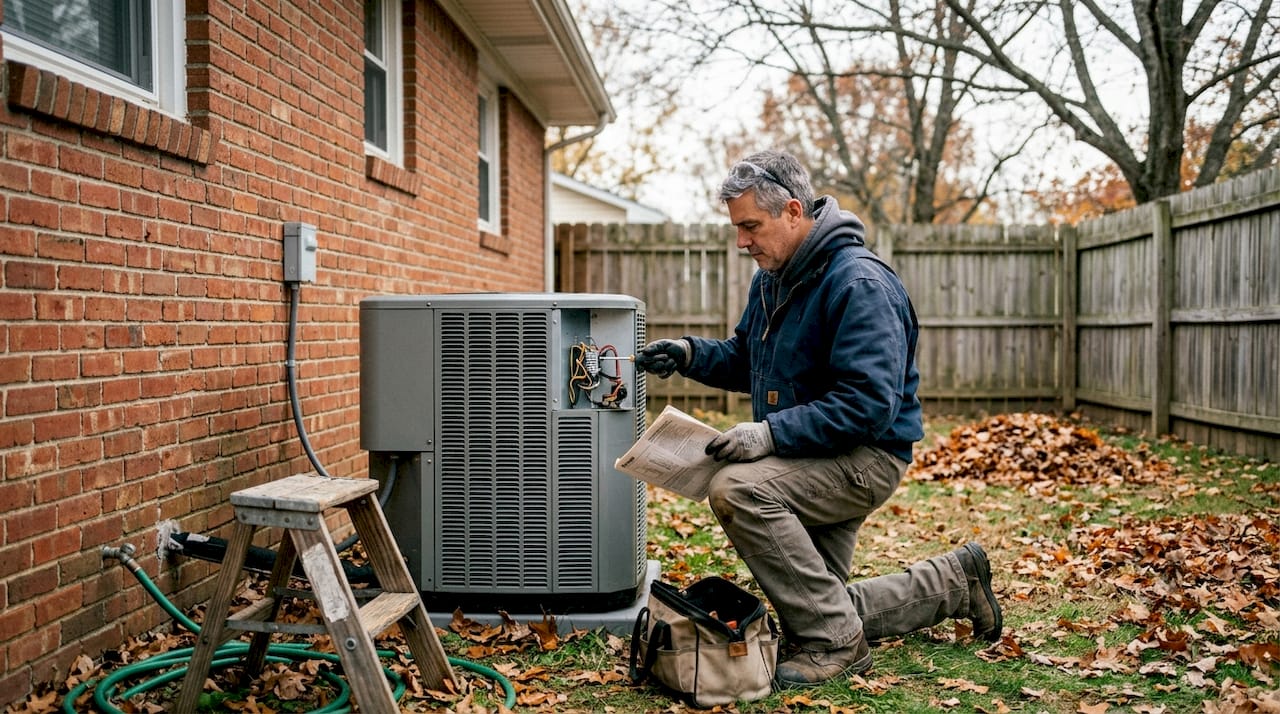
Why do heat pump installation costs vary so dramatically from one home to another? The answer lies in a complex web of factors that homeowners must navigate before committing to this energy-efficient upgrade. Understanding these cost drivers empowers you to budget accurately and avoid financial surprises during installation. This article breaks down the main cost components affecting heat pump installation, from equipment selection and home complexity to contractor expertise and regulatory requirements. By examining each factor systematically, you’ll gain the knowledge needed to make informed decisions and plan your heat pump project with confidence.
Table of Contents
- Key takeaways
- Main factors driving heat pump installation costs
- Specific cost factors: equipment, home features, and labour
- Comparison of heat pump installation cost scenarios
- Making informed decisions: selecting contractors and managing costs
- Heat pump installation services from CoolFix
- Frequently asked questions about heat pump installation cost factors
Key Takeaways
| Point | Details |
|---|---|
| Cost drivers vary | Heat pump installation costs change with equipment size, home layout and contractor selection. |
| Unit size matters | Larger capacity units raise upfront costs but improve long term efficiency when matched to heating needs. |
| Permits and timing | Permitting inspections and electrical upgrades add several hundred to thousands of dollars and can affect scheduling. |
| Electrical assessment matters | Scheduling an electrical assessment before quotes helps identify upgrades and avoid surprise costs. |
Main factors driving heat pump installation costs
Several core factors influence total installation costs, including the heat pump size, home layout, and electrical system. Heat pump unit size and capacity directly affect upfront costs because larger equipment carries higher price tags. A 2-tonne unit suitable for a small bungalow costs significantly less than a 5-tonne system required for a sprawling two-storey home. Matching capacity to your heating demands ensures efficiency without overspending on unnecessary power.
Home complexity plays an equally critical role in determining final costs. Existing ductwork condition, insulation quality, and electrical system readiness all impact labour time and materials required. Homes with outdated wiring or inadequate insulation demand additional work before installation can proceed safely. These preparatory tasks add both time and expense to your project timeline.
Contractor expertise and local labour rates create substantial cost variations across regions. Urban centres typically command higher hourly rates than rural areas, whilst choosing the right HVAC contractor for you ensures quality workmanship that prevents costly future repairs. Certified technicians bring specialized knowledge that reduces installation errors and system inefficiencies.
Permits, inspections, and potential upgrades represent unavoidable expenses in most jurisdictions. Municipal requirements vary, but electrical panel upgrades, building permits, and final inspections typically add several hundred to several thousand dollars to your total investment. These regulatory steps protect your safety and ensure code compliance.
Pro Tip: Schedule an electrical assessment before requesting installation quotes. This proactive step identifies necessary upgrades early and prevents surprise costs when contractors discover inadequate wiring or panel capacity during installation.
Specific cost factors: equipment, home features, and labour
Equipment brands and efficiency ratings significantly alter purchase prices whilst determining your eligibility for government rebates. Premium manufacturers offer advanced features and longer warranties but command higher upfront costs. Energy Star certified models with high Seasonal Energy Efficiency Ratios qualify for federal and provincial incentive programmes that offset initial expenses. These rebates can reduce your net cost by thousands of dollars, making efficient models more affordable than budget alternatives.
Older homes present unique retrofitting challenges that escalate labour time and expenses. Heritage properties often lack proper insulation, require extensive ductwork modifications, or need structural reinforcements to support outdoor units. Victorian-era homes with plaster walls and knob-and-tube wiring demand careful planning and skilled tradespeople who understand historical building constraints. Each complication adds hours to the installation schedule and increases labour charges accordingly.
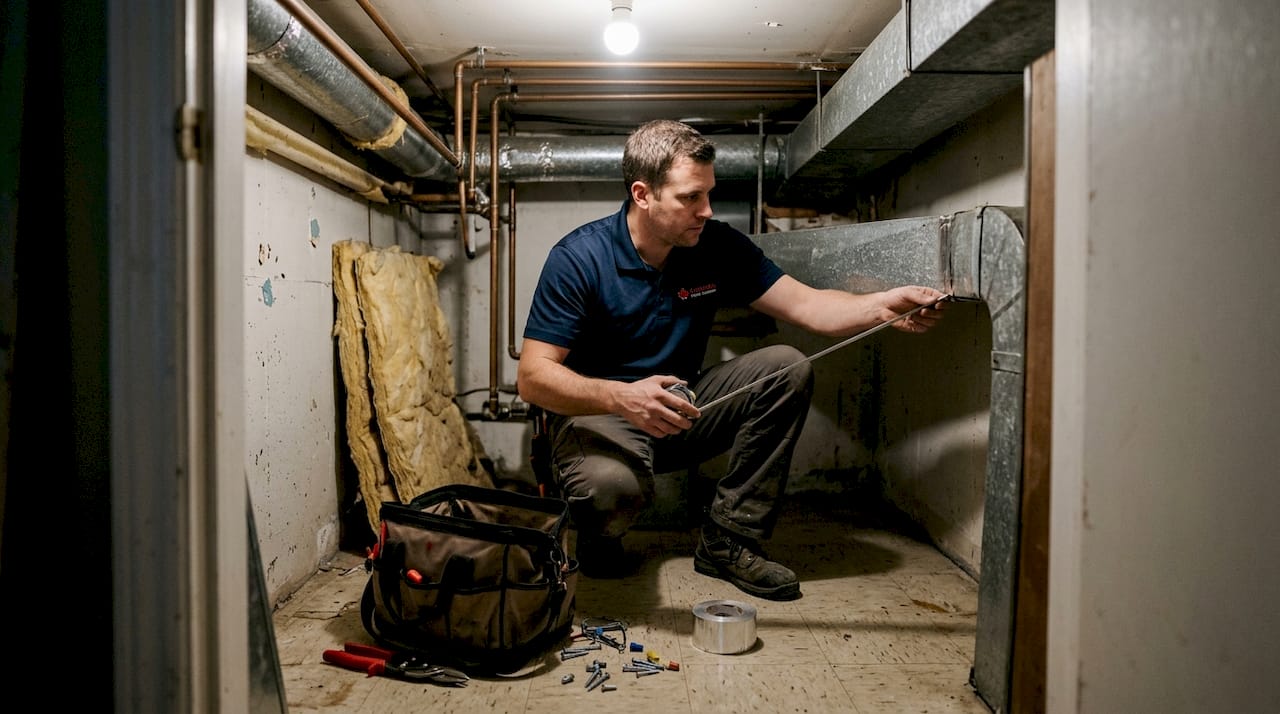
Labour costs escalate when installers must overcome structural obstacles or satisfy stringent local building codes. Homes built on challenging terrain, properties with limited outdoor space for compressor placement, or buildings requiring roof-mounted units all demand additional expertise and equipment. Crane rentals, scaffolding, and specialized mounting hardware contribute to higher labour bills in these scenarios.
Wiring issues can cause up to 20% additional cost if not properly addressed during installation. Undersized electrical panels, aluminium wiring, or insufficient circuit capacity force contractors to halt work until licensed electricians complete necessary upgrades. These delays extend project timelines and compound labour expenses as crews must return for multiple site visits.
Homeowner preparation reduces labour time and associated costs significantly. Clearing installation areas, providing easy access to electrical panels, and removing obstacles around proposed equipment locations allow technicians to work efficiently. Simple tasks like trimming vegetation near outdoor unit placement zones or relocating stored items from mechanical rooms save billable hours that would otherwise inflate your final invoice.
Comparison of heat pump installation cost scenarios
Typical installation costs vary dramatically across common Canadian home scenarios, with urban homes often seeing higher costs due to permit and labour factors. Understanding these ranges helps you set realistic budget expectations and identify where your property fits within the cost spectrum.
| Scenario | Equipment cost | Labour cost | Permits and extras | Total range |
|---|---|---|---|---|
| New build urban home | $4,000-$7,000 | $2,500-$4,000 | $500-$1,200 | $7,000-$12,200 |
| Retrofit older suburban home | $3,500-$6,500 | $3,500-$6,000 | $800-$1,800 | $7,800-$14,300 |
| Replacement install rural property | $3,000-$6,000 | $2,000-$3,500 | $300-$800 | $5,300-$10,300 |
| Heritage home downtown | $5,000-$8,500 | $5,000-$8,500 | $1,200-$2,500 | $11,200-$19,500 |
New construction projects typically fall at the lower end of cost ranges because builders integrate heat pump infrastructure during initial construction. Electrical systems, ductwork, and mounting locations are designed specifically for heat pump compatibility, eliminating retrofit complications. Urban locations add permit costs and higher labour rates but benefit from competitive contractor markets.
Retrofit installations in older suburban homes occupy the middle cost range due to necessary modifications. These properties often require ductwork adjustments, electrical upgrades, and insulation improvements before heat pump installation can proceed. Suburban labour rates typically fall between urban and rural pricing, whilst permit requirements vary by municipality.
Replacement installations in rural properties generally cost less because existing infrastructure remains suitable for new equipment. Labour rates in rural areas tend to be lower than urban centres, and permit requirements are often less stringent. However, limited contractor availability may reduce competitive pricing pressure.
Pro Tip: Scheduling your installation during shoulder seasons (late spring or early autumn) may reduce labour costs as contractors offer competitive rates to fill scheduling gaps between peak heating and cooling seasons.
Location and home age strongly influence total pricing through their impact on every cost component. Gathering multiple detailed quotes allows you to compare not just total prices but how contractors allocate costs across equipment, labour, and ancillary expenses. This transparency reveals where you might negotiate or adjust project scope to align with your budget.
Making informed decisions: selecting contractors and managing costs
Effective contractor selection and proactive cost management strategies optimize your installation experience whilst controlling expenses. Following a systematic approach ensures you hire qualified professionals who deliver quality results within your budget parameters.
-
Verify contractor certification and experience with heat pumps in Canada. Request proof of licensing, liability insurance, and manufacturer certifications for the equipment brands you’re considering. Contractors certified by Natural Resources Canada or provincial trade organizations demonstrate commitment to industry standards and ongoing education.
-
Request detailed quotes that break down all cost factors transparently. Comprehensive estimates should itemize equipment costs, labour hours, permit fees, electrical upgrades, and warranty coverage separately. This granularity allows you to compare quotes accurately and identify where contractors differ in their pricing approaches.
-
Check references and previous customer reviews for reliability and quality. Contact at least three recent clients to ask about project timelines, communication quality, problem-solving abilities, and final cost accuracy. Online reviews provide additional perspectives but prioritize direct conversations for nuanced insights.
-
Plan installation timing with your contractor to avoid delays and extra fees. Discuss seasonal demand patterns, permit processing times, and equipment availability to establish realistic completion dates. Flexible scheduling on your part may unlock better pricing as contractors fill gaps in their calendars.
-
Confirm permits and warranties are included in the contract before signing. Written agreements should specify who obtains necessary permits, schedules inspections, and covers associated fees. Equipment and installation warranties protect your investment and should be clearly documented with claim procedures outlined.
Selecting a knowledgeable and certified HVAC contractor reduces errors and hidden costs throughout the installation process. Experienced professionals anticipate complications, communicate proactively about necessary changes, and complete work efficiently. Their expertise prevents the costly mistakes that plague projects managed by unqualified installers.
Proactive communication serves as your most powerful tool for managing unexpected costs. Establish clear expectations about how contractors will handle unforeseen issues, who authorizes additional work, and how change orders are documented. Regular progress updates keep you informed and allow quick decisions when complications arise, minimizing project delays and associated expenses.
Heat pump installation services from CoolFix
Navigating heat pump installation costs becomes significantly easier with expert guidance and comprehensive resources. CoolFix provides specialized heat pump installation services tailored to the unique requirements of Canadian homes, from compact urban properties to sprawling rural estates. Our certified technicians bring decades of combined experience installing energy-efficient heating solutions that deliver reliable performance through harsh winters and humid summers.

Our detailed resources help homeowners understand heat pump installation timelines and develop realistic project schedules that account for permits, inspections, and seasonal considerations. Whether you’re replacing an aging system or installing your first heat pump, our comprehensive replacement tutorial walks you through each phase with practical advice and cost management strategies. Professional contractor guidance minimizes costly errors and ensures your installation meets all regulatory requirements whilst maximizing energy efficiency. Contact CoolFix today to discuss your heat pump project and receive a detailed consultation that addresses your specific home characteristics and budget parameters.
Frequently asked questions about heat pump installation cost factors
What are typical costs for heat pump installation in different home types?
New construction homes typically range from $7,000 to $12,200 for complete installation, whilst retrofit projects in older homes cost between $7,800 and $14,300 due to necessary modifications. Heritage properties with complex structural requirements may exceed $19,000 when extensive electrical and ductwork upgrades are required.
How do wiring mistakes affect total installation costs?
Wiring errors can increase your final bill by up to 20% through project delays, emergency electrician calls, and equipment damage. Proper electrical assessment before installation prevents these costly surprises and ensures your system operates safely and efficiently from day one.
Do higher efficiency heat pumps justify their increased upfront costs?
High-efficiency models with superior SEER ratings qualify for substantial government rebates that offset purchase premiums whilst delivering lower monthly operating costs. Over a typical 15-year lifespan, energy savings often exceed the initial price difference, making efficient models the more economical long-term choice.
Why should I hire licensed contractors instead of general handymen?
Licensed HVAC contractors carry proper insurance, understand building codes, and possess manufacturer certifications that protect your warranty coverage. Their expertise prevents installation errors that void warranties, create safety hazards, and necessitate expensive corrective work by qualified professionals.
How can I prepare my home to reduce installation expenses?
Clear installation areas of furniture and stored items, trim vegetation around outdoor unit locations, and ensure easy access to electrical panels and mechanical rooms. These simple preparations allow technicians to work efficiently, reducing billable labour hours and minimizing your total project cost.
Recommended
- What is heat pump installation: a homeowner’s 2026 guide – CoolFix Appliance & HVAC Service
- Heat Pump Water Heating Explained: Energy Savings for Canadians – CoolFix Appliance & HVAC Service
- How to Install Heat Pump: Avoid 20% Wiring Errors in 2026 – CoolFix Appliance & HVAC Service
- Heat Pump Installation Cost – Maximizing Savings in Canada – CoolFix Appliance & HVAC Service
- How Much Are You Spending On Home Improvements?
0 Comments