
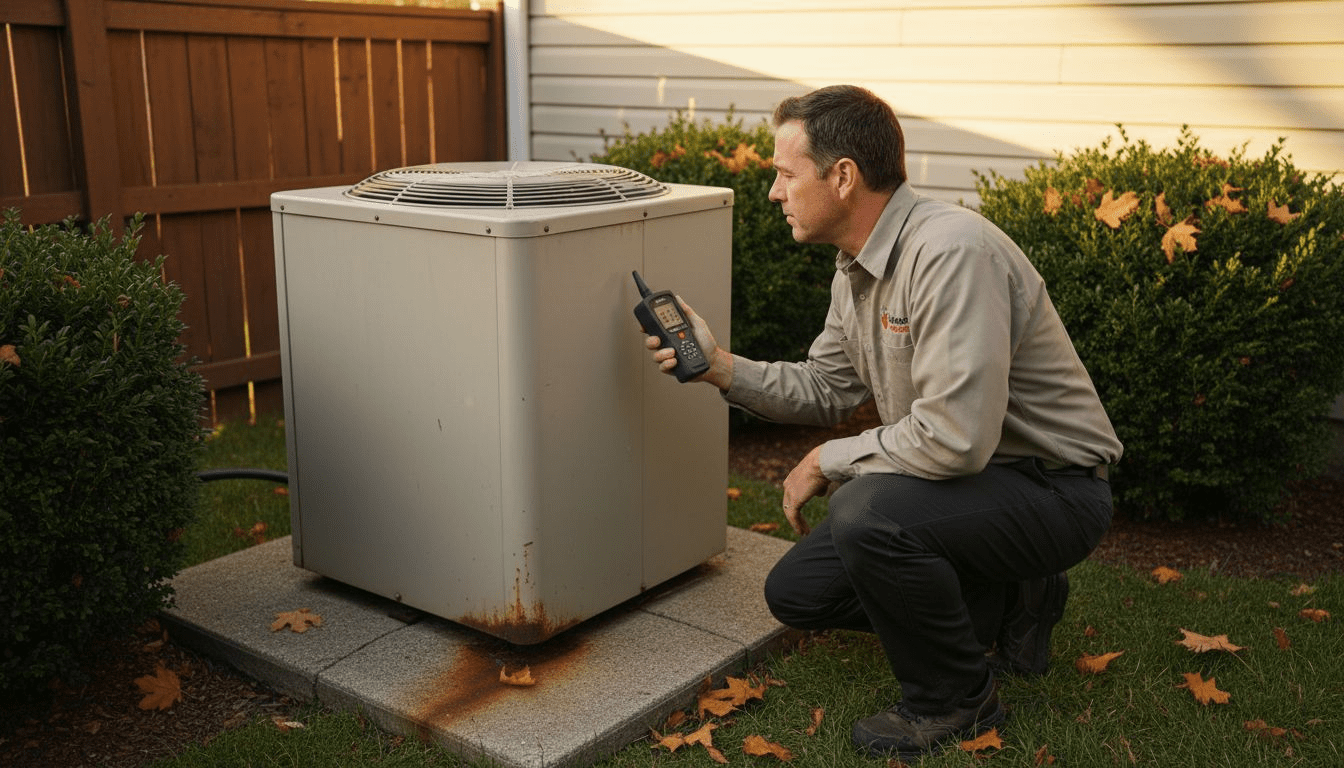
If your heat pump sounds like a dishwasher running next to your bedroom window, you’re not alone. Many Canadian homeowners experience disruptive noise reaching up to 76 decibels from their outdoor units, affecting comfort and neighbour relations. This guide helps you diagnose noise causes, understand sound benchmarks, and discover practical solutions to restore peace to your property.
Table of Contents
- How To Choose A Heat Pump With Noise In Mind
- Common Causes Of Heat Pump Noise
- Impact Of Installation And Location On Noise Levels
- Heat Pump Noise Benchmarks And Types
- Maintenance And Repair Strategies For Noise Reduction
- Expert Heat Pump Solutions From Coolfix
- Frequently Asked Questions
Key takeaways
| Point | Details |
|---|---|
| Noise sources | Heat pump noise stems from mechanical vibrations, refrigerant flow, and installation factors. |
| Modern technology | Variable speed compressors run quieter, often below 60 dB compared to older fixed-speed models. |
| Installation matters | Proper placement away from windows and property lines significantly reduces complaints. |
| Municipal limits | Daytime noise limits typically range 55-60 dB across Canadian municipalities. |
| Maintenance impact | Regular servicing and component checks prevent noise escalation and costly repairs. |
How to choose a heat pump with noise in mind
Selecting a quieter heat pump starts with understanding the specifications that directly impact sound levels. Decibel ratings printed on product labels tell you the maximum noise output, typically ranging from 55 to 76 dB for residential models. Sound power levels provide another measurement standard worth comparing across brands.
Variable speed compressors represent the biggest advancement in noise reduction technology. These units gradually ramp up and down instead of cycling on and off abruptly, eliminating the jarring startup noise that characterises older fixed-speed models. You’ll notice the difference immediately during evening hours when background noise drops.
Unit sizing affects more than just heating capacity. An oversized heat pump cycles more frequently, creating repeated noise spikes throughout the day. Proper load calculations by qualified installers ensure your unit matches your home’s actual heating requirements, promoting steady, quieter operation.
Key selection features for quiet operation:
- Insulated compressor compartments that dampen mechanical sounds
- Night mode settings that reduce fan speeds during sleeping hours
- Two-stage or modulating fans that adjust airflow based on demand
- Acoustic blankets wrapped around the compressor housing
- Isolated mounting systems that prevent vibration transfer
Pro Tip: Request to hear a demonstration unit running at a showroom before purchasing, or ask your installer about noise performance guarantees that ensure sound levels stay within specified limits.
Energy efficiency ratings often correlate with quieter operation because efficient units with better insulation naturally contain sound better. When comparing models, check both the SEER rating and the published decibel level to find the sweet spot between performance and peace. Consider reviewing this heat pump replacement tutorial for comprehensive selection guidance.
Common causes of heat pump noise
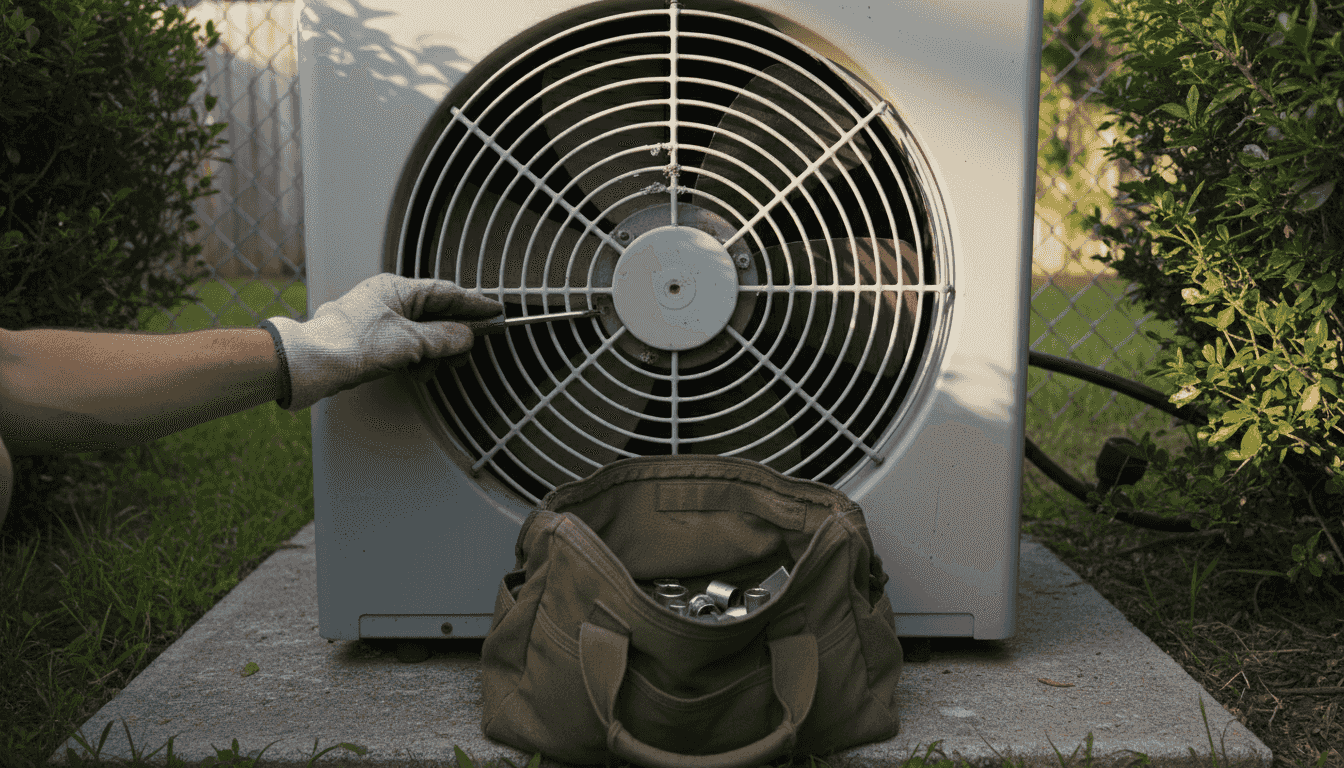
Identifying specific sounds helps pinpoint what needs attention. Rattling or clanking typically signals loose screws, panels, or mounting bolts that vibrate during operation. These components loosen naturally over time from constant vibration cycles, especially in units older than five years.
Fan issues create distinctive whooshing or wobbling sounds. Bent fan blades from debris impact, accumulated dirt causing imbalance, or worn bearings all produce irregular noise patterns. You’ll often hear these sounds increase with fan speed during high-demand periods.
Refrigerant problems announce themselves through hissing, bubbling, or gurgling. These sounds indicate refrigerant moving through restricted lines, escaping through small leaks, or flowing irregularly due to low charge levels. Refrigerant noise often changes pitch as the unit cycles through different operating modes.
Structural vibrations amplify when the outdoor unit sits on an unstable pad or touches nearby surfaces. Even slight contact with siding, fencing, or deck posts transmits mechanical vibrations that resonate through building materials, making the noise seem louder than the unit actually produces.
Common noise culprits include:
- Loose electrical panel covers vibrating against the cabinet
- Debris caught in fan blades or grilles
- Worn isolation mounts allowing metal-to-metal contact
- Ductwork expanding and contracting with temperature changes
- Defrost cycle valve operations creating temporary clicking sounds
Recognising these distinct patterns helps you communicate specific symptoms to repair technicians, speeding diagnosis and reducing service costs. For detailed troubleshooting steps, consult this heat pump noise maintenance guide that covers common fixes.
Impact of installation and location on noise levels
Where your installer places the outdoor unit dramatically affects how loud it seems. Proximity matters more than most homeowners realise. A unit mounted three metres from a bedroom window sounds twice as loud as one placed ten metres away, even though the actual sound output remains identical.
Property line placement creates the most neighbour complaints. Municipal bylaws recognise this by restricting installations within certain distances of lot boundaries. Units positioned near neighbouring windows or outdoor living spaces generate friction even when operating within legal noise limits.
Structural barriers and landscaping absorb sound effectively. Dense shrubs, decorative fencing, or purpose-built acoustic screens placed between the unit and sensitive areas reduce perceived noise by up to 10 decibels. These solutions work best when positioned within two metres of the unit.
Municipal noise limits typically set daytime maximums around 55-60 decibels and encourage proper placement to minimise neighbour complaints.
Smart installation strategies include:
- Positioning units away from bedroom windows and outdoor dining areas
- Using vibration-isolating mounting pads underneath the unit
- Avoiding corner placements where sound reflects off two walls
- Ensuring adequate clearance for airflow without obstructions
- Coordinating placement with prevailing wind directions
Professional installers assess multiple factors including setback requirements, service access needs, and acoustic considerations before recommending optimal locations. Understanding heat pump location factors helps you participate meaningfully in placement decisions during installation planning.
Compliance with heat pump installation codes protects you from municipal enforcement actions and maintains positive neighbourhood relations. Some municipalities require noise assessments for installations near property lines, adding another layer of location planning.
Heat pump noise benchmarks and types
Different heat pump technologies produce vastly different sound profiles. Understanding these ranges helps set realistic expectations and guides replacement decisions when noise becomes problematic.
| Heat pump type | Typical noise range | Primary noise source | Operating characteristics |
|---|---|---|---|
| Air source (fixed speed) | 70-76 dB | Outdoor fan and compressor | Noticeable startup and shutdown cycles |
| Air source (variable speed) | 55-60 dB | Modulating fan | Gradual speed changes, minimal cycling |
| Ground source | 38-42 dB | Indoor air handler only | No outdoor noise, extremely quiet |
| Ductless mini-split | 40-50 dB | Indoor fan units | Whisper-quiet indoor operation |
Air source models dominate Canadian installations due to lower upfront costs, but they produce the most outdoor noise. The outdoor fan moving large air volumes creates the characteristic whooshing sound, while the compressor adds mechanical humming. Fixed-speed versions create noticeable sound spikes every time they start, while variable speed models ramp up gradually.
Ground source systems virtually eliminate outdoor noise by moving the heat exchange underground. With no outdoor fan and the compressor housed in a basement or utility room, these systems typically measure below 40 decibels. The trade-off comes in installation costs running three to five times higher than air source alternatives.
Variable speed technology revolutionised noise control by matching output to demand. These compressors operate at partial capacity most of the time, running continuously at lower speeds instead of cycling on and off at full power. The soft start feature eliminates the jarring noise spike traditional units create.
Defrost cycles temporarily increase noise across all types operating in cold weather. When frost accumulates on outdoor coils, the system reverses temporarily to melt ice buildup. This process creates whooshing sounds and occasional clicking as valves redirect refrigerant flow. These cycles typically last 5 to 10 minutes and occur more frequently when temperatures hover near freezing.
Maintenance and repair strategies for noise reduction
Proactive maintenance prevents most noise problems before they disrupt your peace. Regular attention to key components keeps your system running quietly and extends its operational lifespan significantly.
- Inspect and tighten all exterior panels, access doors, and mounting bolts quarterly.
- Lubricate fan motor bearings annually using manufacturer-specified products.
- Replace air filters every one to three months to maintain proper airflow.
- Clear debris from around the outdoor unit, including leaves and grass clippings.
- Schedule professional refrigerant level checks and leak inspections yearly.
- Clean outdoor coils each spring to remove dirt buildup affecting efficiency.
- Verify mounting pad remains level and stable without settling or cracks.
Routine tightening, lubrication, filter replacement, and professional refrigerant inspections are key to reducing noise from wear and leaks. These simple tasks address the most common noise sources before they escalate into expensive repairs.
Seasonal preparation minimises cold weather noise spikes. Before winter arrives, have technicians verify defrost cycle timing and check that all heating elements function properly. Units struggling through defrost cycles create excessive noise and waste energy fighting ice buildup.
Pro Tip: Keep a maintenance log noting any new sounds or changes in noise patterns, then share this information with repair technicians to help them diagnose issues faster and more accurately.
Ignoring early warning sounds leads to component failures. That slight rattling you dismiss today becomes a failed fan bearing next month, requiring emergency repairs at premium rates. Addressing noise issues promptly saves money and prevents system breakdowns during extreme weather.
For comprehensive maintenance guidance, follow this heat pump maintenance checklist covering seasonal tasks. When repairs exceed simple maintenance, consult these heat pump repair tips for Canadian-specific guidance on finding qualified service providers.
Expert heat pump solutions from CoolFix
Dealing with persistent heat pump noise disrupts your home comfort and strains neighbourhood relations. CoolFix specialises in diagnosing and resolving noise issues through professional installation, targeted repairs, and strategic replacements across Canadian communities.

Our certified technicians assess your specific situation, measuring actual decibel levels and identifying root causes beyond obvious symptoms. We evaluate installation quality, recommend acoustic improvements, and execute repairs that restore quiet operation. Whether you need mounting adjustments, component replacements, or complete system upgrades to modern variable-speed technology, we deliver solutions tailored to your property and budget.
Don’t let heat pump noise diminish your quality of life. Contact CoolFix today for a comprehensive noise assessment and discover how professional service restores peaceful, efficient heating to your home. Our expertise in appliance repair and heat pump installation ensures your system operates as quietly as the day it was designed to perform.
Frequently asked questions
What noise level is acceptable for a residential heat pump?
Most municipalities set acceptable daytime levels between 55 and 60 decibels, roughly equivalent to normal conversation volume. Modern variable-speed units typically operate within this range, while older fixed-speed models often exceed it during startup cycles.
How can I reduce existing heat pump noise without replacement?
Tighten all loose components, add acoustic barriers like fencing or shrubs near the unit, and ensure the mounting pad remains level. Professional maintenance addressing worn bearings and refrigerant issues often reduces noise significantly before considering replacement.
Do ground source heat pumps really operate more quietly?
Yes, ground source systems eliminate outdoor fan noise entirely, measuring below 40 decibels with only minimal indoor air handler sound. The higher installation cost trades directly for dramatically quieter operation throughout the system’s lifespan.
Why does my heat pump get louder in winter?
Defrost cycles temporarily reverse refrigerant flow to melt ice accumulation on outdoor coils, creating whooshing and clicking sounds. These cycles occur more frequently when temperatures hover near freezing, typically lasting 5 to 10 minutes each occurrence.
When should I replace rather than repair a noisy heat pump?
Consider replacement when repair costs exceed 50% of a new unit’s price, your system exceeds 12 years old, or noise persists despite professional repairs. Modern variable-speed models offer substantial noise reduction and efficiency improvements justifying the investment.
Recommended
- 7 Signs Your Heat Pump Needs Repair Before Winter Hits – CoolFix Appliance & HVAC Service
- Heat Pump Safety Features 2026: Prevent 90% Risks – CoolFix Appliance & HVAC Service
- 6 Common Heat Pump Installation Mistakes to Avoid – CoolFix Appliance & HVAC Service
- Heat Pump Troubleshooting Guide for Canadian Technicians – CoolFix Appliance & HVAC Service
0 Comments