
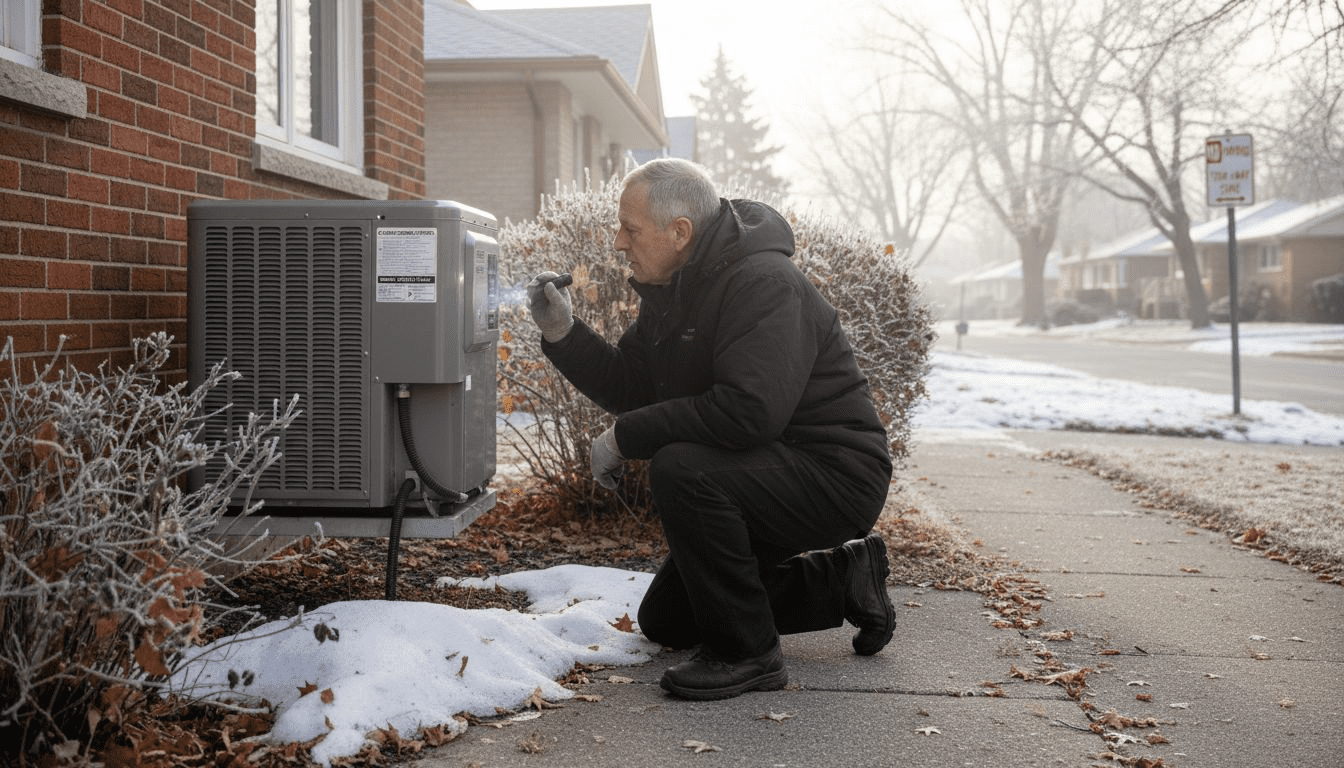
Choosing where to install a heat pump is a decision many Canadian homeowners face when aiming for greater energy efficiency at home. With advanced models now performing reliably in cold Canadian winters—even down to minus 25 degrees Celsius—heat pumps have become a smart choice for both warmth and comfort. Understanding how proper placement can dramatically boost heat pump efficiency helps you avoid common mistakes and get the full benefit of this environmentally friendly technology.
Table of Contents
- Heat Pumps in Canada: Core Concepts and Misconceptions
- Types of Heat Pumps and Placement Needs
- How Location Impacts Performance and Efficiency
- Local Codes and Noise Rules for Outdoor Units
- Key Placement Risks and Common Mistakes to Avoid
Key Takeaways
| Point | Details |
|---|---|
| Heat Pumps are Efficient | Heat pumps transfer heat instead of generating it, achieving energy efficiency rates of 300-370% even in cold climates. |
| Address Misconceptions | Modern heat pumps operate effectively in freezing temperatures, require less maintenance, and provide long-term energy savings that offset initial costs. |
| Placement is Critical | Proper placement can enhance efficiency by up to 40%, making strategic installation a priority for optimal performance. |
| Local Regulations Matter | Homeowners must comply with municipal noise regulations that can affect installation and operation, necessitating a thorough review of local bylaws. |
Heat Pumps in Canada: Core Concepts and Misconceptions
Heat pumps represent a transformative technology for Canadian homeowners seeking energy-efficient heating and cooling solutions. Unlike traditional heating systems, these innovative appliances transfer heat rather than generate it, making them remarkably efficient even in challenging Canadian winter conditions. Cold climate heat pump performance has dramatically improved, challenging long-standing misconceptions about their effectiveness.
Understanding the core mechanics of heat pumps reveals their unique advantages. These systems work by extracting heat from the outside air—even at temperatures as low as -25°C—and transferring it indoors. This process allows heat pumps to achieve extraordinary efficiency rates, often delivering 300-370% energy efficiency compared to traditional heating methods. The dual functionality of providing both heating and cooling makes them a versatile solution for Canadian households.
Several key misconceptions persist about heat pump technology in Canada:
- Cold Weather Limitations: Modern heat pumps operate effectively in temperatures well below freezing
- High Installation Costs: Long-term energy savings often offset initial investment
- Complex Maintenance: Heat pumps generally require less maintenance than traditional systems
- Environmental Impact: They significantly reduce greenhouse gas emissions compared to fossil fuel heating
Pro tip: Before purchasing, consult with a local HVAC professional who understands the specific heat pump requirements for your Canadian region and home configuration.
Types of Heat Pumps and Placement Needs
Canadian homeowners have several heat pump types to consider, each with unique characteristics and placement requirements. Different heat pump technologies offer varied solutions for residential heating and cooling needs, ranging from air-source to ground-source systems. Understanding these variations helps homeowners make informed decisions about their specific environmental and spatial constraints.
The primary categories of heat pumps include:
- Air-Source Heat Pumps: Most common in Canadian homes, extracting heat from outdoor air
- Ground-Source (Geothermal) Heat Pumps: Utilize stable underground temperatures for heating and cooling
- Water-Source Heat Pumps: Leverage nearby water bodies as heat exchange mediums
- Variable Refrigerant Flow (VRF) Systems: Provide zone-specific temperature control
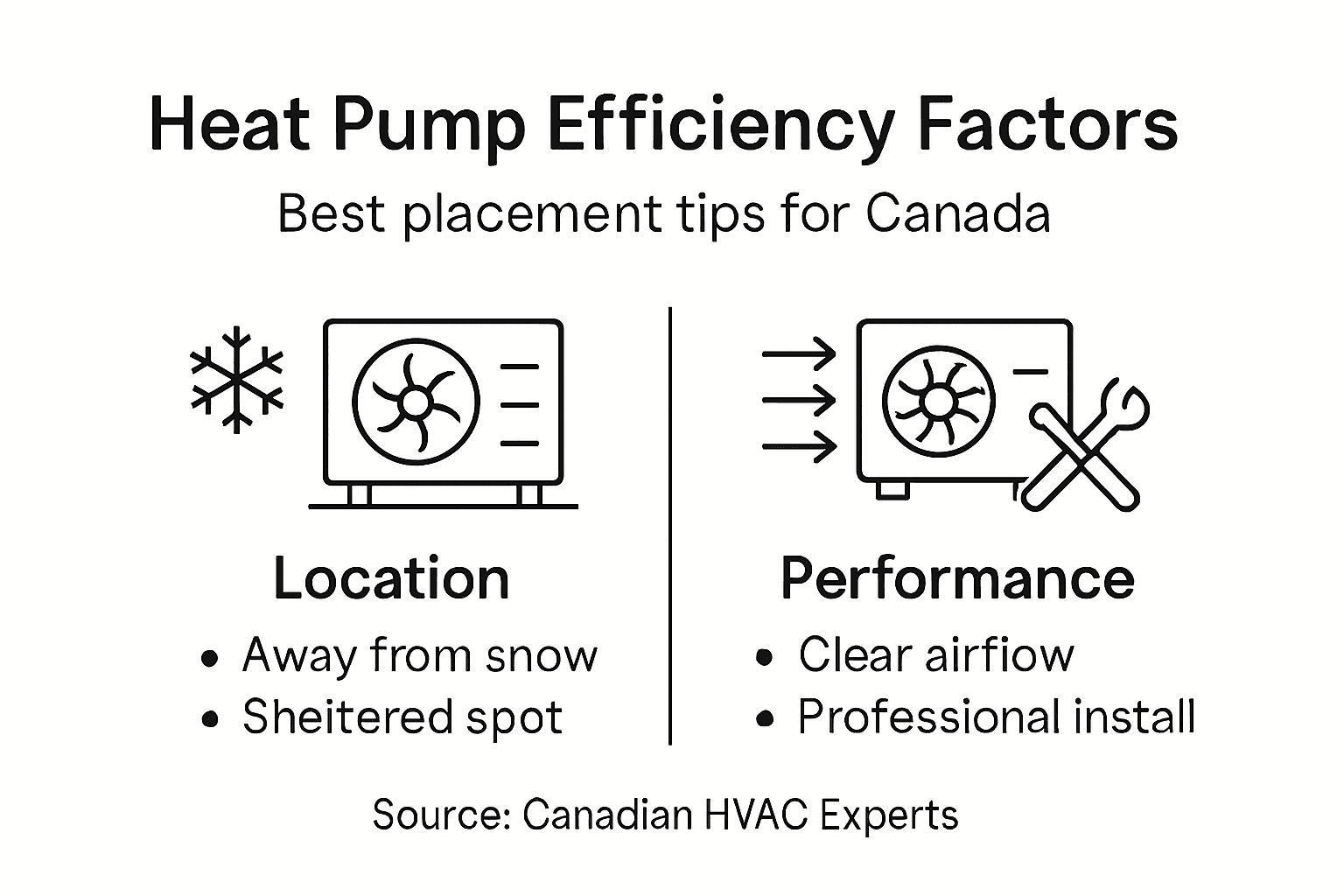
Placement considerations are critical for maximizing heat pump performance. Factors such as insulation levels, room layout, and local climate significantly impact system efficiency. Ground-source heat pumps require substantial initial land or underground space for installation, while air-source models need clear exterior mounting locations with adequate airflow and minimal obstruction.
Here’s a summary comparing the main types of heat pumps in Canada:
| Heat Pump Type | Best Suited For | Typical Placement Needs |
|---|---|---|
| Air-Source | Urban and suburban homes | Wall or ground mount, open exterior airflow |
| Ground-Source (Geothermal) | Large properties, rural areas | Substantial land, buried loop field |
| Water-Source | Properties near water bodies | Close proximity to stable water source |
| Variable Refrigerant Flow | Multi-zone homes, big buildings | Indoor/outdoor units, flexible configuration |
Proper heat pump placement can improve energy efficiency by up to 30%, making strategic positioning as important as the system selection itself.
Pro tip: Consult a professional HVAC technician to conduct a comprehensive site assessment before finalizing your heat pump placement strategy.
How Location Impacts Performance and Efficiency
Cold climate heat pump performance depends critically on geographic positioning and environmental conditions unique to Canadian regions. Heat pump efficiency fluctuates dramatically based on ambient temperature, wind exposure, and local microclimate characteristics that can significantly influence energy transfer and operational effectiveness.
Key location-based factors affecting heat pump performance include:
- Ambient Temperature Range: Extreme cold can reduce heat extraction capabilities
- Wind Exposure: High winds increase heat loss and system workload
- Elevation: Higher altitudes impact refrigerant performance and system efficiency
- Surrounding Landscape: Urban versus rural environments create different thermal conditions
- Seasonal Temperature Variations: Canadian regions experience diverse climatic shifts
Different Canadian provinces present unique challenges for heat pump installation. Northern territories and Prairie provinces with prolonged, intense cold periods require more robust systems with advanced cold-climate technologies. Coastal regions like British Columbia experience milder winters, allowing for more flexible heat pump configurations.
Below is a quick reference to how regional climate affects heat pump choice and performance:
| Region | Climate Challenge | Recommended Tech Focus |
|---|---|---|
| Northern Territories | Prolonged extreme cold | Advanced cold-climate models |
| Prairie Provinces | Wind exposure, cold | Enhanced insulation, robust units |
| Coastal BC | Mild, damp winters | Standard efficiency, flexible |
| Urban Centres | Noise regulation | Quiet units, careful placement |
Strategic heat pump placement can improve overall system efficiency by up to 40%, making location selection as crucial as the equipment itself.
Pro tip: Conduct a professional site assessment to understand your specific microclimate and optimize heat pump placement for maximum performance.
Local Codes and Noise Rules for Outdoor Units
Heat pump noise regulations vary significantly across Canadian municipalities, presenting critical considerations for homeowners planning heat pump installations. Each city and province maintains specific noise bylaws that dictate acceptable sound levels for mechanical equipment, particularly for outdoor heat pump units positioned near residential properties.
Typical municipal noise regulation parameters include:
- Daytime Noise Limits: Usually 55 decibels (similar to normal conversation)
- Nighttime Noise Restrictions: Often reduced to 45 decibels
- Proximity Regulations: Specific distance requirements from property lines
- Time-of-Day Operation Restrictions: Potential limitations on unit runtime
- Acoustic Barrier Requirements: Mandates for sound-dampening installations
Homeowners must navigate these complex local regulations carefully. Urban areas typically enforce stricter noise control measures compared to rural regions, with some municipalities requiring acoustic assessment reports or professional installation certifications. Considerations extend beyond simple decibel measurements to include factors like unit placement, surrounding landscape, and potential sound reflection from nearby structures.
Compliance with local noise ordinances is not optional—violations can result in significant fines and mandatory equipment relocation.
Pro tip: Contact your local municipal building department to obtain precise noise regulation details specific to your neighbourhood before heat pump installation.
Key Placement Risks and Common Mistakes to Avoid
Heat pump placement represents a critical decision that can significantly impact system performance, efficiency, and longevity. Homeowners frequently make strategic positioning errors that compromise their heat pump’s effectiveness, leading to increased energy consumption and potential premature equipment failure.
Common heat pump placement mistakes include:
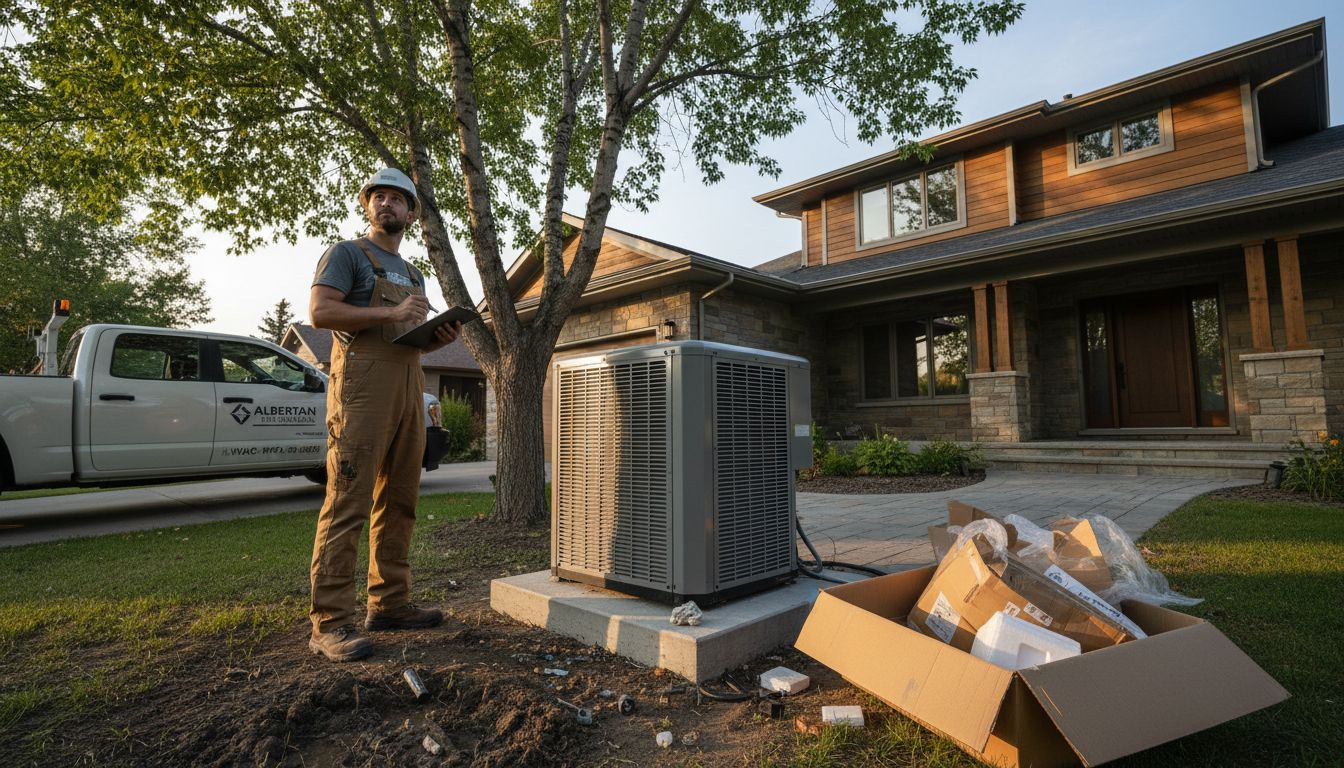
- Obstructed Airflow: Installing units too close to walls, fences, or dense vegetation
- Proximity to Heat Sources: Positioning near dryer vents, air conditioning units, or direct sunlight
- Inadequate Clearance: Failing to maintain sufficient space around the outdoor unit for proper air circulation
- Uneven Ground Placement: Installing on unstable or unlevelled surfaces
- Wind Exposure: Positioning units in areas with excessive wind turbulence
The consequences of poor placement extend beyond simple performance issues. Incorrect installation can void manufacturer warranties, increase maintenance costs, and reduce the overall operational efficiency of the heat pump system. Factors like local terrain, prevailing wind patterns, and surrounding landscape features play crucial roles in determining optimal unit placement.
Proper heat pump placement is not just a recommendation—it’s a fundamental requirement for maintaining system integrity and performance.
Pro tip: Consult a professional HVAC technician to conduct a comprehensive site assessment and determine the most suitable location for your heat pump installation.
Maximise Your Heat Pump Efficiency with Expert Installation and Placement
Understanding how geographic location, local codes, and proper placement impact heat pump performance is essential for any Canadian homeowner looking to save energy and reduce heating costs. Common challenges like obstructed airflow, noise regulation compliance, and extreme cold weather can undermine your system’s efficiency and longevity. Don’t let these issues cause frustration or wasted energy.

Take control today by choosing professional heat pump installation and appliance repair services tailored to Canada’s unique climate demands. At CoolFix, we specialise in helping you avoid costly placement mistakes and navigate local regulations to ensure your heat pump delivers maximum comfort and savings year-round. Explore our comprehensive solutions at CoolFix and get started on optimising your home’s heating system now.
Frequently Asked Questions
How does temperature affect heat pump performance?
Heat pump performance can be significantly impacted by ambient temperature. In extreme cold, their heat extraction capabilities may decrease, but modern heat pumps are designed to operate efficiently even in low temperatures.
What are the common mistakes to avoid when installing a heat pump?
Common mistakes include obstructed airflow, inadequate clearance around the unit, proximity to heat sources, and improper ground placement. Each of these issues can reduce efficiency and lead to increased maintenance costs.
Why is proper heat pump placement important?
Proper placement is crucial for maximizing system efficiency and longevity. Strategic positioning can improve energy efficiency by up to 40%, while poor placement may void warranties and lead to equipment failure.
What local regulations should I consider for heat pump installation?
Local regulations can include noise limits, proximity to property lines, and specific requirements for unit operation during certain times. It’s important to check with your municipal building department to ensure compliance.
Recommended
- Heat Pump Control Systems: Boosting Efficiency in Canada – CoolFix Appliance & HVAC Service
- Why Heat Pump Needs Servicing for Canadian Homes – CoolFix Appliance & HVAC Service
- Heat Pump System Terminology – Impact on Canadian Repairs – CoolFix Appliance & HVAC Service
- Heat Pump Installer Role: Elevating Installation Skills – CoolFix Appliance & HVAC Service
0 Comments