
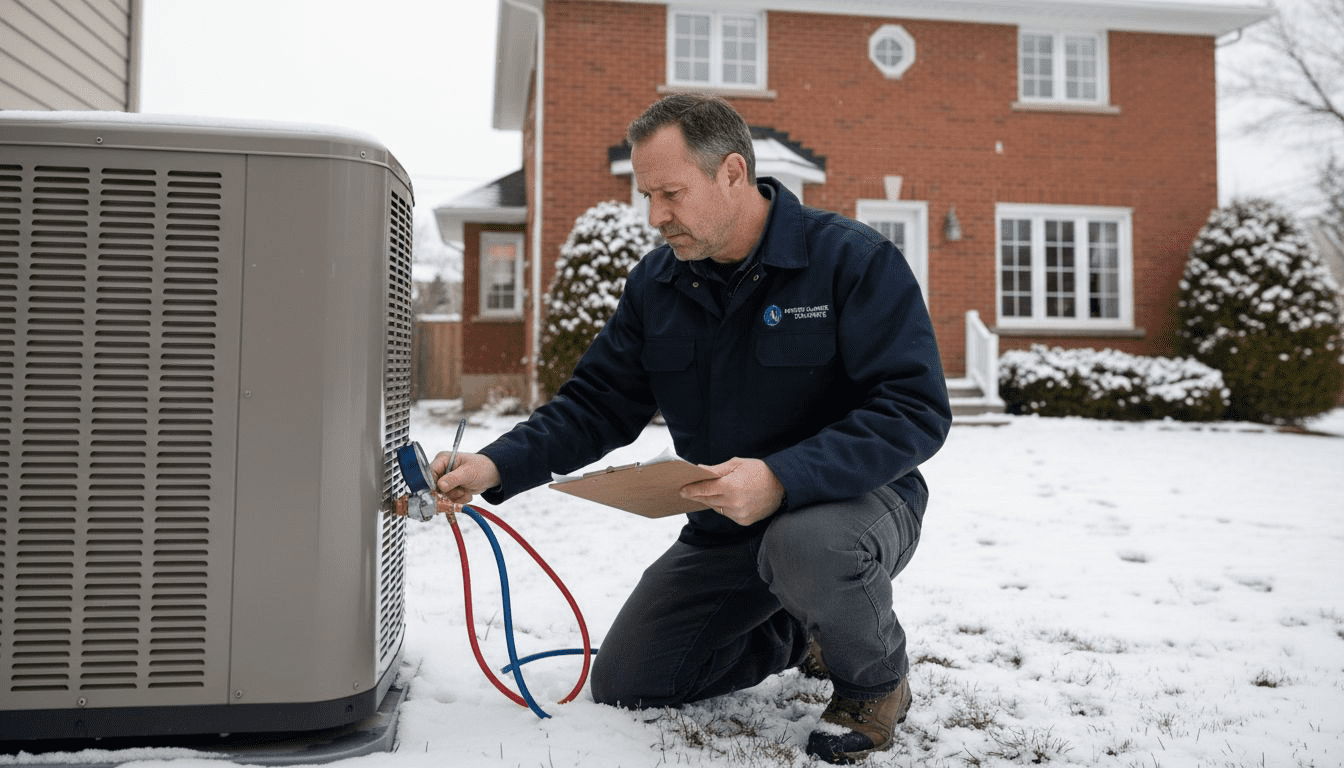
Cold snaps across Canada sometimes leave homeowners questioning whether their aging heat pumps can handle the next temperature drop. Keeping a heat pump running efficiently matters for both comfort and cost, especially as repairs and maintenance needs rise with system age. By uncovering common myths and addressing practical fixes, this guide offers energy efficiency improvements and clear advice to help you cut unnecessary expenses and extend your heat pump’s lifespan.
Table of Contents
- Heat Pump Repair Defined And Common Myths
- Types Of Heat Pump Issues In Canada
- How Repairs Improve Energy Efficiency
- Cost Savings Versus Replacement Options
- Common Repair Mistakes To Avoid
Key Takeaways
| Point | Details |
|---|---|
| Understanding Heat Pumps | Heat pumps efficiently transfer heat, making them suitable for Canadian climates despite misconceptions about their effectiveness in cold weather. |
| Maintenance is Crucial | Regular maintenance prevents common issues and optimizes energy efficiency, with professional inspections recommended at least twice a year. |
| Repair Versus Replacement | Homeowners should weigh repair costs against the benefits of replacement, especially as new models are significantly more efficient and may qualify for government incentives. |
| Avoiding Common Mistakes | Improper repairs or neglect can lead to serious performance issues; always engage qualified technicians for repairs to maintain system integrity and warranty coverage. |
Heat Pump Repair Defined and Common Myths
A heat pump is a sophisticated heating and cooling system that efficiently transfers thermal energy between indoor and outdoor environments. Unlike traditional heating systems that generate warmth, heat pumps move existing heat, making them remarkably energy-efficient for Canadian homes. Heat pump system components include critical parts like the evaporator, compressor, condenser, and expansion valve that work together to regulate home temperature.
Heat pump technology has several widespread misconceptions that prevent homeowners from understanding its true potential. Common myths include:
- Heat pumps only work in warm climates
- Installation costs are prohibitively expensive
- Performance declines dramatically during Canadian winters
- Heat pumps are less reliable than traditional heating systems
In reality, modern heat pumps are specifically engineered to perform effectively in cold regions like Canada. Canadian energy efficiency initiatives now provide grants and incentives to encourage homeowners to adopt these advanced heating solutions, recognizing their environmental and economic benefits.
Understanding how heat pumps function helps dispel these myths. By transferring heat rather than generating it, these systems can extract warmth from outside air even when temperatures drop significantly. Advanced models can operate efficiently in temperatures as low as -30°C, making them perfectly suited for Canadian households.
Pro tip: Always consult a professional technician who specializes in heat pump systems to get accurate, location-specific advice for your home’s unique heating requirements.
Types of Heat Pump Issues in Canada
Canadian homeowners face several unique heat pump challenges that stem from our diverse and often extreme climate conditions. Heat pump technical problems can significantly impact system performance and efficiency, making regular maintenance crucial for long-term functionality.
The most common heat pump issues in Canadian homes include:
- Refrigerant leaks causing reduced cooling/heating capacity
- Frozen outdoor units during extreme winter conditions
- Thermostat malfunctions leading to inconsistent temperature regulation
- Reduced efficiency in temperatures below -15°C
- Airflow blockages from snow and ice accumulation
- Electrical component wear due to temperature fluctuations
Cold climate performance represents the most significant challenge for heat pump systems in Canada. Unlike heat pumps designed for milder regions, Canadian models must be engineered to withstand temperature extremes ranging from -30°C to +30°C. This requires specialized components and advanced technological adaptations that can maintain optimal performance across dramatically different seasonal conditions.
Maintenance becomes critical in preventing these issues. Regular professional inspections can identify potential problems before they escalate, ensuring your heat pump operates efficiently throughout the harsh Canadian winter and humid summer months. Technicians typically recommend comprehensive system checks at least twice yearly to maintain peak performance and prevent unexpected breakdowns.
Pro tip: Schedule professional heat pump maintenance during shoulder seasons like early autumn or late spring to ensure your system is fully prepared for extreme temperature shifts.
How Repairs Improve Energy Efficiency
Regular maintenance and strategic repairs play a crucial role in optimizing the energy performance of heat pump systems in Canadian homes. Heat pump efficiency improvements can significantly reduce energy consumption and lower utility costs while extending the overall lifespan of your heating system.
Key areas where repairs directly impact energy efficiency include:
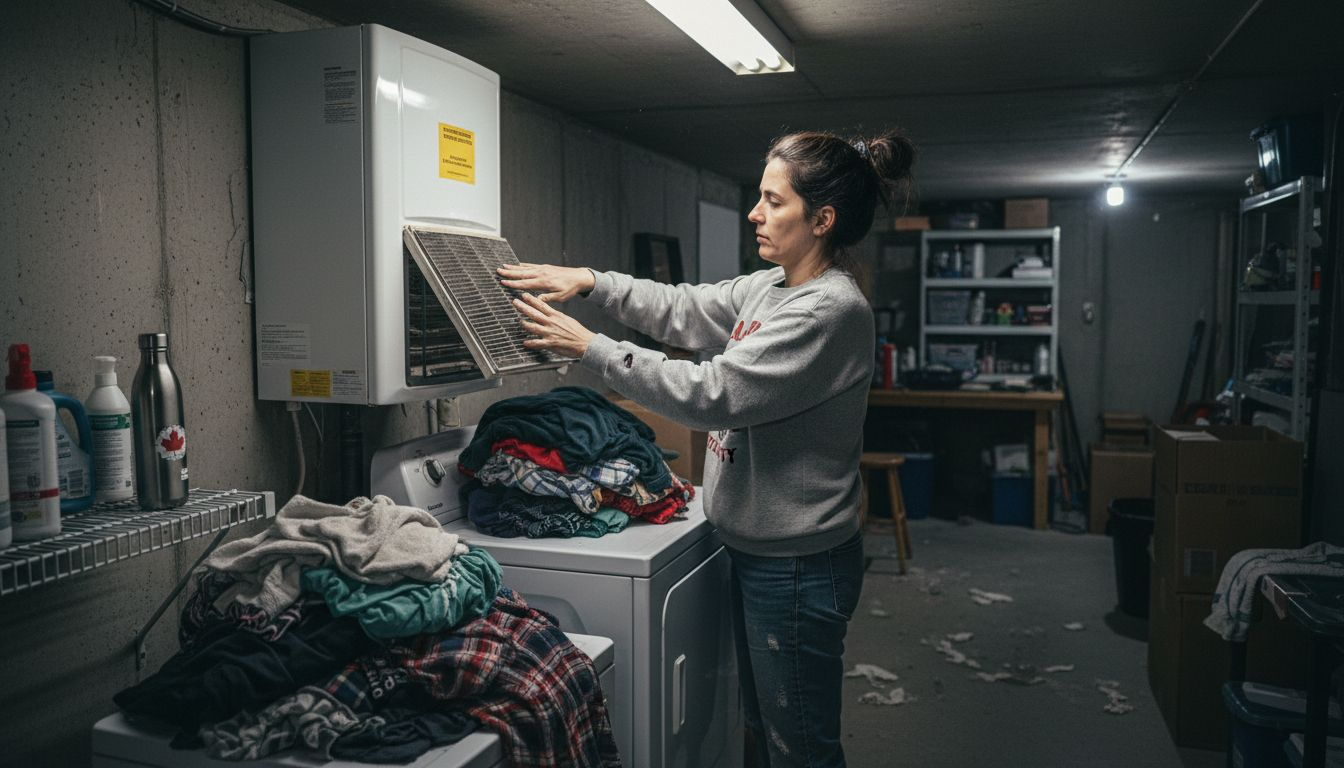
- Cleaning or replacing air filters to maintain optimal airflow
- Addressing refrigerant level imbalances
- Sealing potential duct leaks
- Lubricating moving mechanical components
- Calibrating thermostat settings
- Inspecting and cleaning outdoor unit coils
Professional heat pump repairs address underlying issues that compromise system performance. Minor problems like blocked air filters or slight refrigerant leaks can cause the system to work significantly harder, consuming up to 15% more electricity than a well-maintained unit. These inefficiencies not only increase energy bills but also accelerate component wear and potential system failure.
Moreover, regular maintenance helps Canadian homeowners adapt to extreme temperature variations. By ensuring each component functions optimally, heat pumps can maintain consistent performance across temperature ranges from -30°C to +30°C, delivering reliable heating and cooling while minimizing energy waste. Comprehensive system checks typically involve detailed diagnostics that identify potential efficiency barriers before they become major problems.
Here’s how common heat pump repair actions impact energy efficiency and utility costs in Canadian homes:
| Repair Action | Efficiency Impact | Utility Cost Effect |
|---|---|---|
| Filter replacement | Improves airflow, lowers energy use | Reduces annual costs up to 10% |
| Refrigerant adjustment | Enhances cooling/heating performance | Avoids expensive emergency fixes |
| Duct sealing | Minimizes heat loss, optimizes system | Lowers monthly bills, prevents wasted energy |
| Component lubrication | Reduces mechanical wear and friction | Extends system lifespan, fewer replacements |
| Coil cleaning | Boosts heat transfer capability | Sustains high efficiency, stable costs |
Pro tip: Invest in an annual professional maintenance contract that includes comprehensive system diagnostics to catch potential efficiency issues early and prevent costly repairs.
Cost Savings Versus Replacement Options
Canadian homeowners face a critical decision when managing heat pump systems: whether to repair existing equipment or invest in a complete replacement. Heat pump replacement strategies require careful consideration of multiple financial and performance factors to determine the most cost-effective approach.
Critical decision-making factors include:
- Age of the current heat pump system
- Total repair costs versus replacement expenses
- Current system efficiency rating
- Potential energy savings with newer models
- Availability of government retrofit grants
- Long-term maintenance expectations
Financial experts typically recommend replacement when repair costs exceed 50% of a new unit’s price. Modern heat pump technologies offer significant efficiency improvements, with newer models consuming up to 40% less electricity compared to systems installed a decade ago. These efficiency gains can translate into substantial annual utility bill reductions, making replacement an attractive long-term investment for budget-conscious Canadian homeowners.
Government incentive programs further complicate the repair-versus-replace equation. Many Provincial and Federal initiatives provide substantial grants for energy-efficient home upgrades, potentially offsetting a significant portion of replacement costs. These programs encourage homeowners to consider comprehensive system upgrades rather than incremental repairs, especially for heat pumps nearing the end of their operational lifespan.
Compare key factors for deciding between heat pump repair or full replacement:
| Factor | Repair Approach | Replacement Approach |
|---|---|---|
| Upfront cost | Typically lower | Higher, offset by incentives |
| Efficiency improvement | Moderately increased | Significantly improved |
| Long-term savings | Limited potential | Substantial over time |
| Eligible for grants | Rarely applies | Often eligible for rebates |
Pro tip: Consult a professional energy auditor to perform a comprehensive cost-benefit analysis before making your final repair or replacement decision.
Common Repair Mistakes to Avoid
Homeowners often unknowingly compromise their heat pump’s performance by making critical repair errors that can lead to expensive long-term damage. Common heat pump repair challenges require careful attention to prevent system inefficiency and premature equipment failure.
The most frequent heat pump repair mistakes include:
- Attempting DIY repairs without proper technical knowledge
- Neglecting regular filter replacements
- Ignoring minor refrigerant leaks
- Improper thermostat programming
- Skipping annual professional maintenance
- Using unqualified repair technicians
- Delaying necessary repairs
Refrigerant management represents a particularly complex aspect of heat pump maintenance. Many Canadian homeowners mistakenly believe that topping up refrigerant is a simple task, when in reality, it requires specialized equipment and precise technical expertise. Incorrect refrigerant charging can cause significant compressor damage, potentially leading to complete system replacement—a far more expensive outcome than professional maintenance.
Professional heat pump technicians emphasize that electrical control systems are especially vulnerable to improper repair attempts. Incorrect handling of electrical components can create safety risks and lead to frequent system cycling, which accelerates component wear. These errors not only compromise system efficiency but can also void manufacturer warranties, leaving homeowners responsible for expensive repairs.
Pro tip: Always verify a technician’s professional certification and specialization in heat pump systems before authorizing any repair work.
Keep Your Canadian Home Comfortable with Expert Heat Pump Repair
Heat Pumps are essential for efficient heating and cooling in Canadian homes but challenges like frozen units, refrigerant leaks, and reduced efficiency in extreme cold can disrupt your comfort and increase energy costs. If you want to avoid the stress of unexpected breakdowns and costly energy bills, professional heat pump repair is the solution. By addressing issues early, you conserve energy, extend your system’s life, and enjoy reliable performance all year round.

Ready to experience the full benefits of a well-maintained heat pump? Visit CoolFix to schedule expert heat pump repair and installation services tailored for Canadian climates. Don’t wait until minor problems become costly repairs. Take charge now to ensure your home stays cozy and energy-efficient. Learn more about our trusted services at CoolFix Heat Pump Solutions and let our certified technicians provide peace of mind and lasting comfort.
Frequently Asked Questions
What are the main benefits of heat pump repair?
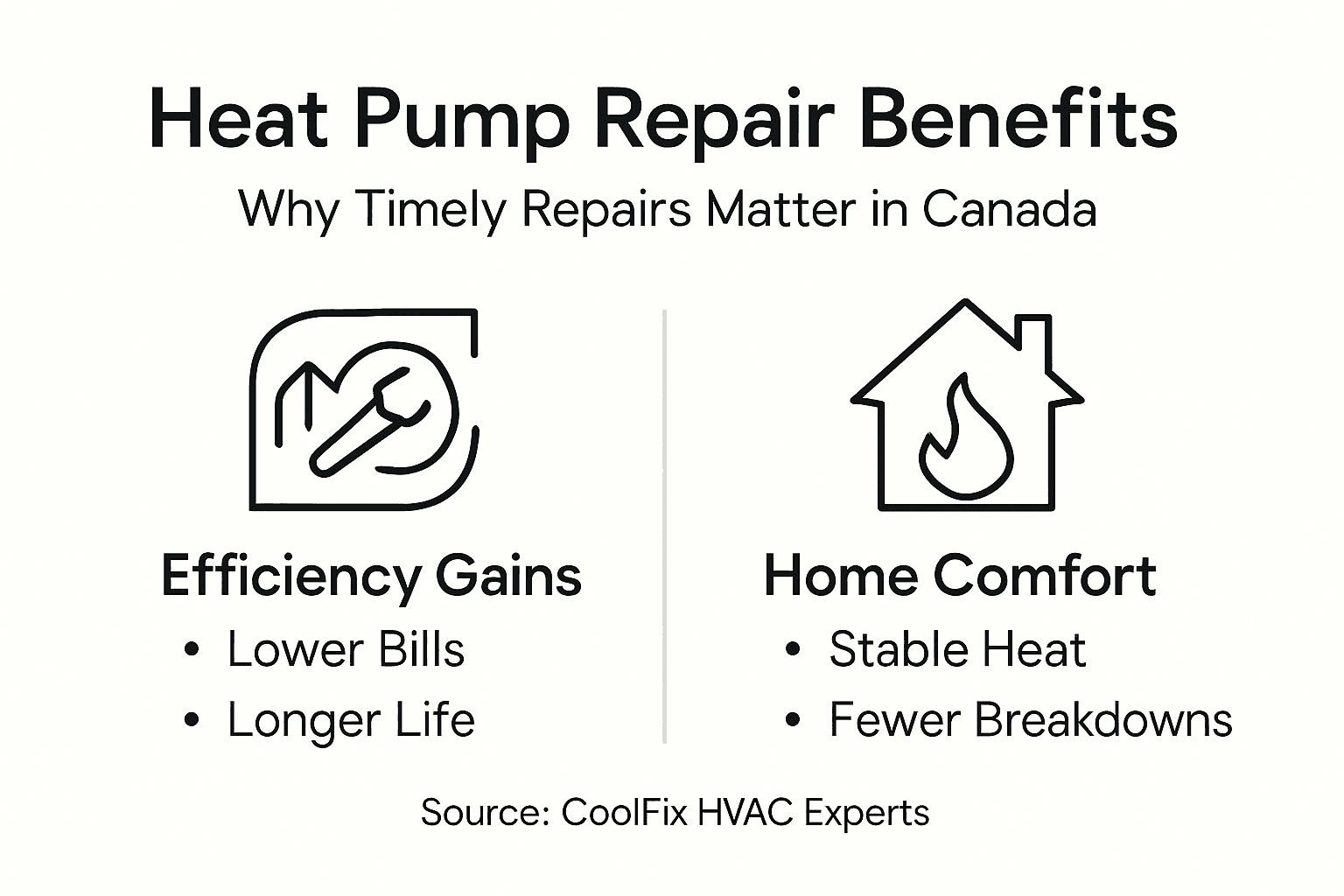
Regular heat pump repairs enhance system efficiency, reduce energy consumption, and extend the lifespan of the unit. Timely repairs also help prevent costly breakdowns and improve indoor comfort throughout seasonal temperature variations.
How can heat pump repairs improve energy efficiency?
Heat pump repairs, such as cleaning filters, adjusting refrigerant levels, and sealing duct leaks, directly impact energy performance by allowing the system to operate optimally. This can lower electricity bills and prevent energy waste.
When is it necessary to consider replacing a heat pump instead of repairing it?
If repair costs exceed 50% of the price of a new unit, or if the current system is over ten years old with declining efficiency, replacement might be a more cost-effective solution. Newer models often offer substantial energy savings and may qualify for government incentives.
What common mistakes should homeowners avoid when repairing heat pumps?
Homeowners should avoid DIY repairs without proper knowledge, neglecting filter changes, ignoring minor refrigerant leaks, and skipping annual professional maintenance. These mistakes can lead to increased energy bills and potential system failure.
Recommended
- Why Heat Pump Needs Servicing for Canadian Homes – CoolFix Appliance & HVAC Service
- 7 Best Practices for Heat Pump Repair in Canada – CoolFix Appliance & HVAC Service
- 7 Heat Pump Efficiency Tips for Canadian Homeowners – CoolFix Appliance & HVAC Service
- Heat Pump Location Factors – Maximizing Efficiency in Canada – CoolFix Appliance & HVAC Service
0 Comments