A hot afternoon is a bad time to find out your air conditioner is only moving warm air. If you need air conditioner repair Winkler homeowners can rely on, the goal is not to jump straight to replacement. It is to find the real cause, understand the repair options, and get your home comfortable again without paying for work you do not need.
Many A/C problems start small: a filter that is overdue, a drain line beginning to plug, or a worn electrical part that works intermittently. Catching those issues early can often mean a simpler repair and less strain on the system when summer temperatures climb.
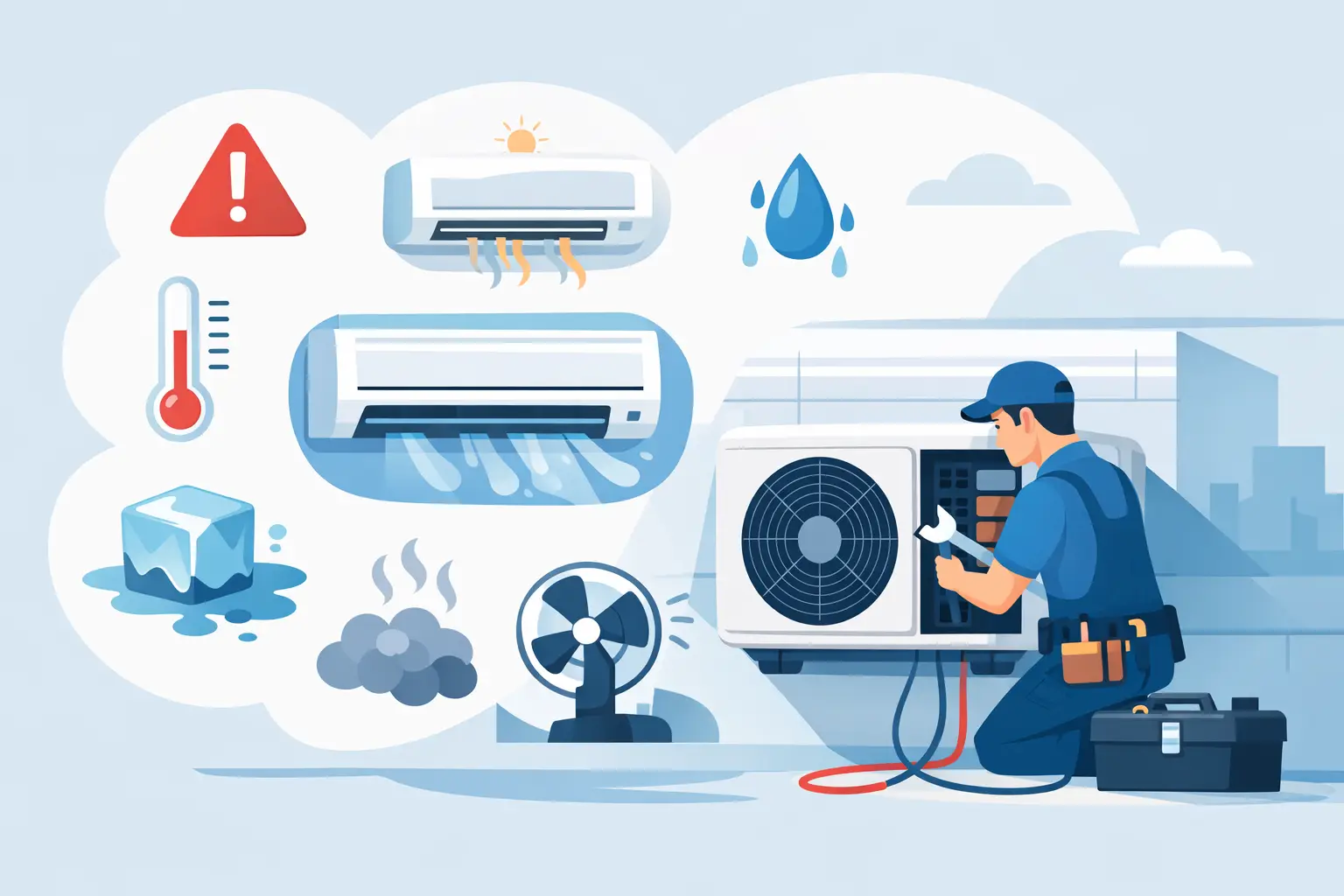
7 Signs You May Need Air Conditioner Repair in Winkler
1. The air is not getting cold
If the system runs but the air from the vents is room temperature or only slightly cool, something is not right. The cause could be as simple as restricted airflow, but it can also point to a thermostat problem, a failing capacitor, a dirty outdoor coil, or a refrigerant-related issue.
Avoid turning the thermostat lower and lower in hopes that it will catch up. That does not make the equipment cool harder. It can keep it running longer, raise your power use, and put more wear on parts that are already struggling.
2. Your home cools unevenly
A bedroom that stays warm while the living room feels comfortable is frustrating, but it does not always mean the air conditioner itself has failed. Closed or blocked vents, duct leaks, poor return-air flow, and dirty filters can all create uneven temperatures. In some homes, the issue may be with the duct system rather than the cooling equipment.
A proper diagnosis looks at the full path of the air, not just the outdoor unit. That matters because replacing an A/C unit will not fix an airflow problem hiding in the ducts.
3. The system starts and stops too often
Air conditioners normally cycle on and off. Short cycling is different. This is when the unit runs briefly, shuts down, and starts again repeatedly without properly cooling the house.
Short cycling can be caused by thermostat placement, dirty coils, electrical trouble, incorrect equipment sizing, or low refrigerant. It is worth addressing quickly because frequent starts are hard on the compressor and other electrical components.
4. You hear new or unusual noises
A steady fan sound is normal. Banging, rattling, screeching, buzzing, or clicking that was not there before deserves attention. Loose panels can rattle, while a loud buzz can be related to an electrical component. Squealing or grinding may point to a motor or fan issue.
Do not ignore a sound just because the unit still runs. Small mechanical problems can turn into a larger repair if the equipment is left operating under strain.
5. Water is collecting near the indoor unit
Your A/C removes humidity as it cools, and that moisture has to drain away. If you see water around the indoor equipment, a clogged condensate drain line is a common cause. A drain issue can lead to water damage, musty odors, or a safety switch shutting down the system.
Turn the system off if water is actively leaking near electrical components. A technician can clear the drain, inspect the pan and pump if present, and make sure the system is draining where it should.
6. The breaker trips or the unit will not start
A tripped breaker is not something to reset over and over. One reset may be reasonable after checking for an obvious issue, but repeated trips can signal an electrical fault, a failing motor, or equipment drawing too much power.
If the air conditioner will not start, the problem may be the thermostat, disconnect, capacitor, contactor, wiring, or another component. Electrical diagnosis is not a guess-and-check job. It requires safe testing and a clear explanation of what failed.
7. Your energy bill jumps without a clear reason
Summer power costs can rise when the A/C runs more, but a sudden jump may mean the system is losing efficiency. Dirty filters and coils are common culprits. So are leaky ducts, weak capacitors, refrigerant problems, and an aging system that must run longer to meet the thermostat setting.
The answer depends on what is causing the extra run time. A service visit can help separate a maintenance issue from a repair that needs attention.
Safe Checks to Make Before Calling for Service
Homeowners can handle a few basic checks before booking a repair. Start by confirming the thermostat is set to cool and is set below the current indoor temperature. Then check that the electrical panel breaker is on and that the outdoor disconnect has not been switched off.
Next, inspect the air filter. A dirty filter can restrict airflow enough to reduce comfort and contribute to icing. Replace it with the correct size and avoid forcing an overly restrictive filter into a system that was not designed for it.
Outside, clear grass clippings, leaves, and stored items away from the condenser. The unit needs open space to release heat. Finally, make sure supply vents and return grilles inside the home are not blocked by furniture, rugs, or boxes.
Do not remove electrical panels, try to add refrigerant, or keep restarting a unit that trips the breaker, leaks heavily, smells burnt, or makes loud mechanical noise. Those are situations where a professional repair is the safer and usually less expensive path.
Repair or Replacement? Start With the Actual Problem
Not every older air conditioner needs to be replaced. A worn capacitor, contactor, drain issue, thermostat problem, or fan motor can often be repaired for far less than new equipment. For homeowners and property managers watching their budgets, a repair-first approach can make good sense when the equipment is otherwise in decent condition.
Replacement becomes a more serious conversation when the system has recurring major failures, needs a costly compressor repair, uses obsolete refrigerant, or cannot keep the home comfortable despite correct maintenance and duct airflow. Age matters, but it is not the only factor. A well-maintained older unit with a straightforward repair may be worth keeping, while a newer unit with repeated issues needs a closer look.
A good technician should explain the diagnosis in plain language, identify what is urgent and what can wait, and give you room to decide. That is especially valuable for landlords and property managers balancing tenant comfort, downtime, and repair costs across several properties.
Why Maintenance Helps Prevent Mid-Season Breakdowns
A basic A/C checkup is less exciting than an emergency repair, but it can prevent plenty of them. Seasonal service gives a technician the chance to inspect electrical connections, test operating performance, check drainage, assess the condition of coils, and spot worn components before they fail on the hottest day of the year.
Homeowners should keep up with filter changes through the cooling season, but filters are only one piece of the job. Outdoor coils collect dirt, drains collect buildup, and electrical parts wear over time. A system may appear to be working right up until it no longer can.
For rental properties, regular maintenance also helps reduce surprise service calls and gives property managers a clearer record of equipment condition. That makes it easier to plan for repairs instead of reacting when a tenant loses cooling.
Get Straight Answers Before the Heat Builds
When your A/C is not doing its job, you need more than a quick guess. You need someone who checks the system carefully, explains the issue clearly, and helps protect the equipment you already own. CoolFix Appliance & HVAC Service takes a practical repair-first approach, helping local homeowners and property managers make cost-conscious decisions without a high-pressure sales pitch.
If your unit is blowing warm air, leaking, cycling constantly, or making a new noise, do not wait for a full breakdown. A timely inspection can protect your comfort, your budget, and the working life of the equipment that keeps your home cool.
0 Comments